
 EN
EN
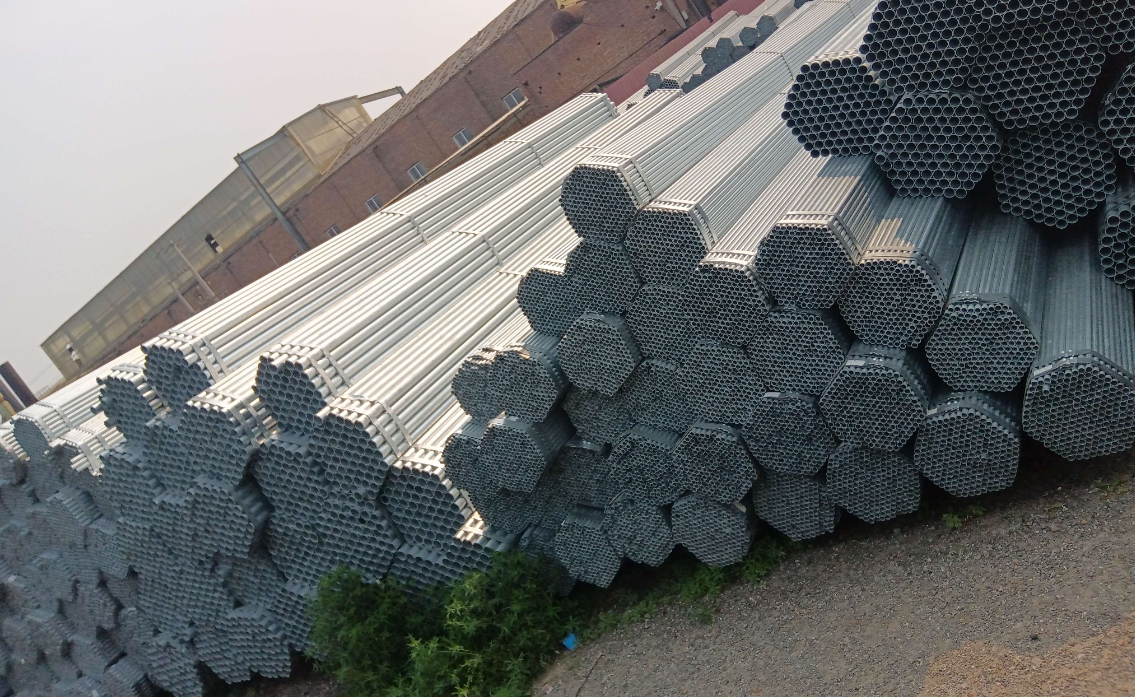
When selecting pipes for a plumbing system, there are a number of critical factors to consider, as they can impact the plumbing system's longevity, safety, and overall efficiency of the water supply. Steel pipe plumbing systems are some of the most dependable systems, due to the materials used to fabricate their components, i.e. steel. The versatility of steel makes it a preferred material for most plumbing systems, whether the project is residential, commercial, or industrial. With the number of options to choose from, selecting a suitable steel pipe can be a daunting task. To make your selection process simple and effective, this guide walks you through the most important factors to consider.Types of Steel Pipe
When it comes to picking the right pipes for your plumbing system, the first step is to understand the different options available to you. When it comes to steel pipes, the two main categories available are galvanized steel pipes and black steel pipes. Black steel pipes are made from untreated steel, so they are easily identifiably by the dark color they get from the iron-oxide scale that is created during the manufacturing process. These pipes are easier to work with and are more corrosion resistant compared to galvanized pipes, However, because of the bad rusting characteristics, they are normally not used for potable water lines. Unlike black steel pipes, galvanized steel pipes do not have that dark coat. Instead, they have a coat of zinc, which is a corrosion resistant metal. This is why these pipes are normally used for water supply lines, especially in older homes, because they are seen to be protective of corrosion and rusting. The downside, however, is that the coating is lost with time, which could lead to corrosion and a drop in water pressure. These basics help you understand the purpose of each of these pipes, setting you up for a greater decision.
Factors to consider for your project
Selecting the right pipe for the project will depend on your project needs the most. Here are the main factors to consider for your decision-making:
Pipe Application and the Type of Substance: What will the pipe have to carry? Is it potable water, sewage, gas, or some special industrial liquid? In construction, galvanized steel has been the go-to for the distribution of hot and cold water. For gas pipe, black steel, is specified most often for its high strength and no-coating (non-flaking) construction. Make sure to consult the local codes, which concern which materials are permitted for which applications.
Temperature and Pressure: A plumbing system has a certain degree of temperature and pressure, and you want to ensure you have a pipe that withstands your system’s temperature and pressure threshold without failure. Steel pipe is well known for its high strength, and for industrial water. Make sure the pressure rating (usually given in numbers corresponding to the schedule, like Schedule 80 or 40) is in line or is higher than the operating pressure of the system.
Environmental and Corrosion Considerations: Consider the environment where the pipe will be installed. Is it indoors, buried underground, or exposed to the elements? The corrosion resistance of the pipe is the most important for areas that have moisture or other corrosive elements. For most corrosive environments, or those that carry certain chemicals, galvanized steel provides good, but not complete, protection. In those cases, you may have to consider special materials like stainless steel pipes.
Get Accurate Sizes and Measurements
For a system to work correctly, choosing the right size is a must. When sizing pipes, it's nominal diameter that needs to be taken into consideration, but it is important to note that this is not a measurement of how large or small the pipe is. Two important dimensions to consider are the outer diameter (OD) which needs to work with your fittings and supports, and the inner diameter (ID) that's related to the flow and pressure of the water. If a pipe is too small in ID, water pressure will be low, friction will be high, and the plumbing will be noisy. In addition, the pipe schedule (the wall thickness) affects the pressure and longevity it can endure. A Schedule 80 pipe has thicker walls and can withstand higher pressure than a Schedule 40 pipe of the same nominal size. Checking the pipe sizing standards and working with an engineer or plumbing professional when sizing your pipes can save a lot of money.
Assessing Costs and Future Value
While thinking about budgetary concerns, it is smart to assess total lifecycle costs instead of simply ways of pricing by the foot. For example, welded steel pipe may have a moderate upfront cost, but the complexity of installation, lifespan, and maintenance all factor into the long-term value. Under certain conditions, steel pipes can last 50 years or longer. That's better long-term value than some inexpensive pipes that will degrade and need to be replaced. Take into consideration the costs of installation. Steel pipes have to be threaded and are heavier than some of the modern materials, which will inflate labor costs and time.
Considerations of Installation and Maintenance
Finally, consider how the system will be installed and how it will be maintained. Some tools are needed to cut and thread steel piping and seal the joints. This task is often best suited for skilled tradespeople to ensure connections are free from leaks, especially in a system under pressure. Maintenance is another area to consider. One advantage to steel is its durability and that it will not be damaged by physical forces as easily as plastic piping. That said, periodic checks for external rust, especially around the joints and supports, is important. When dealing with galvanized pipes in older systems, be cautious of the internal scale that can develop over many years and restrict water flow.
Completing Your Statement
Consider the following question: Which steel pipe would suit your needs best? Certainly, there are other steel pipe options on the market to choose from that are perhaps less expensive, but the correct steel pipe will: meet your application needs, meet your code requirements, best fit your initial and life cycle cost for installation and usage, and, of course, be the right fit for your plumbing system. For corrosion resistant water supply applications, galvanized steel pipe is still one of the best. For gas lines and other structural applications, black steel is the best option. When considering your options, look to the professionals. They are the reputable suppliers and professional installers. With all of this in mind, you should end up with a steel pipe to suit all your needs.