
 EN
EN
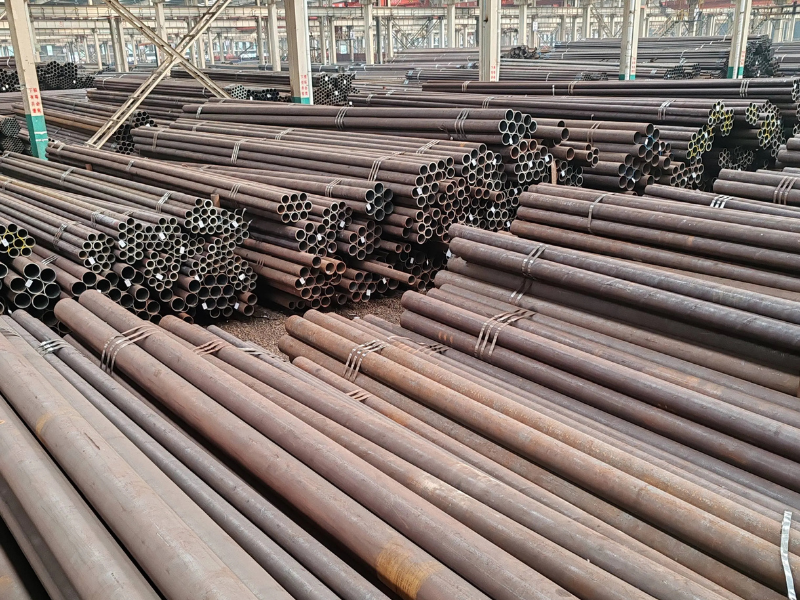
Why Corrugated Steel Pipe Culverts Deliver Superior Drainage Performance
Structural Flexibility, Load Distribution, and Corrosion Resistance
CSP culverts really stand out when it comes to drainage because they combine flexibility with strength and last a long time without corroding. The wavy shape helps them handle shifting soil and temperature changes, which means fewer problems at the joints where failures often happen in concrete pipes. When trucks roll over these pipes, their spiral design spreads out the weight sideways, cutting down on pressure points by about 40 percent according to recent studies from AASHTO. These days most CSPs come with special zinc-aluminum coatings that meet ASTM standards, giving them great protection against salt damage from roads and all those freeze-thaw cycles we get in winter. Engineers have actually tested these pipes and found they can keep working properly for over 50 years even when subjected to heavy traffic loads. And during big storms when water needs to flow fast, these pipes maintain their shape so nothing gets backed up.
Lifecycle Cost Efficiency Compared to Concrete and HDPE Alternatives
When it comes to long term value, CSP culverts really stand out compared to concrete and HDPE options. The upfront costs might be similar at first glance, but CSP has been proven through FHWA audits to last around 50 years. That means we see about 30% fewer replacements needed when compared to concrete which typically lasts between 30-40 years, and HDPE that generally holds up for 25-35 years before needing replacement. Installation works differently too. No waiting for curing periods and no need for special machinery makes projects go much faster than traditional concrete methods. We've seen job sites finish up to 45% quicker with CSP. Another big plus is how resistant these structures are to crushing forces. They meet ASTM A760 standards, so they won't deform under normal backfill pressures. This is something that actually happens quite often with plastic pipes, leading to early failures that nobody wants.
| Cost Factor | Concrete Culverts | HDPE Culverts | CSP Culverts |
|---|---|---|---|
| Material Cost | High | Medium | Medium |
| Installation Speed | Slow (cure time) | Moderate | Fastest |
| Expected Service Life | 30–40 years | 25–35 years | 50+ years |
Table: Lifecycle cost comparison based on FHWA infrastructure audits (2023). Steel’s durability and installation efficiency drive 20% lower total ownership costs over 50 years.
Design and Installation Best Practices for Corrugated Steel Pipe Culverts
Compliance with AASHTO LRFD and ASTM A762 Standards
Getting structural reliability right starts with following recognized engineering standards in the field. The AASHTO LRFD method is what engineers use when calculating how much weight CSP culverts can handle. This covers everything from regular traffic loads to the constant pressure of earth and water around them. For materials specs, ASTM A762 sets the bar pretty high. It requires at least 150 grams per square meter of that special zinc-aluminum coating we all know lasts longer. And they don't just say this - they back it up with salt spray tests running well past 5,000 hours. Most states actually require these standards for their public drainage work. About 8 out of 10 transportation departments across the country have made this mandatory. When contractors follow both guidelines instead of cutting corners, maintenance bills drop significantly over time. We're talking roughly 40% savings on upkeep costs. This matters because standard installations avoid problems like water spilling over structures, dirt washing away under pipes, and those protective coatings wearing off prematurely.
Optimized Backfill, Bedding, and Settlement Control Techniques
Getting the site ready properly makes all the difference when it comes to unlocking the full capabilities of CSP systems. For bedding aggregates, aiming for at least 95% Proctor density helps create that consistent base support everyone needs. Backfill work should happen in manageable layers around 150 mm thick, ideally with angular gravel since this creates better mechanical locking between particles and adds necessary lateral resistance. Pay special attention to spots where different parts of the ground might settle unevenly, particularly if we're looking at soil movement rates above 15 mm per year. Adding geotextile reinforcement right over the top of pipes really boosts stability down the road. Correct application of these methods keeps deflection within safe limits below 0.5%, which means these installations can last well past 75 years even in tough freeze-thaw conditions. Traditional concrete solutions typically struggle with cracks forming once they reach about 3% tolerance levels, so proper preparation becomes absolutely critical for longevity.
Real-World Validation: Corrugated Steel Pipe Culvert Performance in Critical Infrastructure
I-65 Reconstruction (Indiana): Eliminating Scour with CSP Culvert Retrofit
When Indiana DOT worked on reconstructing I-65, they swapped out old concrete culverts for CSP units because these aging structures couldn't handle the constant water erosion under highway embankments anymore. The CSP system proved really adaptable since it handled all the ground shifting caused by heavy trucks without developing cracks or separating at joints. Plus, the inside surface flows better than traditional options, boosting stormwater capacity during peak rains by around 25 percent according to data from the Indiana Infrastructure Journal in 2023. Three full years of flooding later, engineers checked those new installations and found absolutely no buildup of sediment anywhere. That speaks volumes about how well these flexible pipes resist erosion compared to their rigid counterparts which tend to break down over time when exposed to similar conditions.
BNSF Railway Corridor (Montana): 40-Year Service Life via Dual-Zinc-Aluminum Coating
BNSF Railway installed dual zinc aluminum coated CSP culverts in Montana where the soil is really harsh from all that glacial till. These met the ASTM A762 standards for the busy rail line they needed. What happened next was pretty impressive. The special coating acts as a sacrificial anode, which cut down on corrosion rates to around 0.2 mils yearly. That means these culverts should last over 40 years without needing any maintenance work at all. That's almost three times longer than what we normally see with regular galvanized options. And this isn't just theory either. Actual field results show these advanced metal coatings can handle tough soil conditions without breaking the bank. Think about it: replacing those standard culverts would have cost upwards of $740k per mile according to Ponemon research from 2023.