
 EN
EN
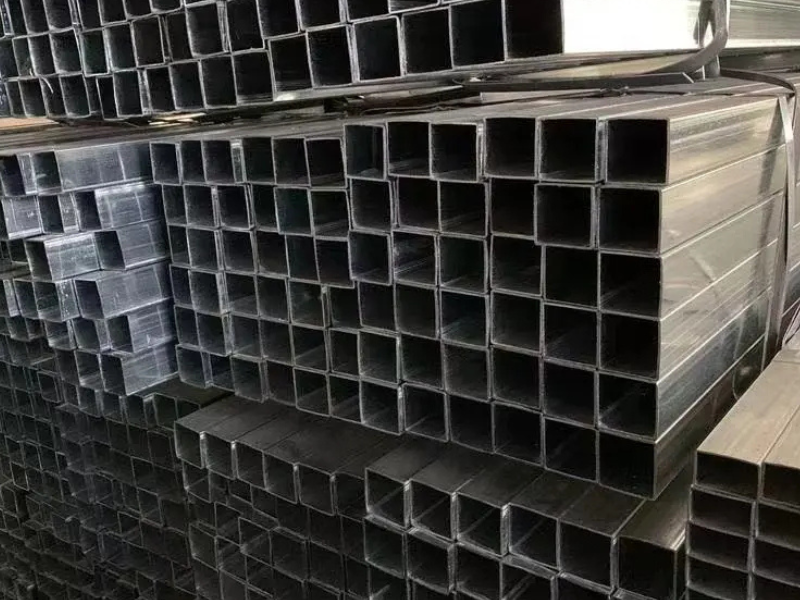
Corrosion Resistance: How the Zinc Coating Protects Galvanized Pipe
Electrochemical Protection Mechanism of Hot-Dip Galvanizing
Hot dip galvanizing, or HDG as it's commonly called, offers two layers of defense against rust and corrosion problems. First off, the zinc coating forms a solid shield between the metal and whatever environmental elements might be attacking it. But there's another trick up its sleeve too. Since zinc sits higher on the electrochemical scale compared to regular steel, it actually takes the hit when the coating gets nicked or scratched. Instead of letting rust start right where the steel is exposed, the zinc sacrifices itself first. This kind of self repairing quality means structures stay strong and safe even if the protective layer isn't perfect everywhere. Looking at numbers from ASTM A123 standards along with what engineers see out in the field, pipes treated with HDG last anywhere from 2 to 4 times longer than their bare steel counterparts. That translates into major savings down the road when companies would otherwise need to replace entire systems prematurely.
Performance in Neutral-to-Hard Water vs. Vulnerability in Low-pH or Soft Water
Zinc-coated pipes work best in water that's neither too soft nor too acidic, around pH levels between 6.5 and 8.5. When there are enough minerals dissolved in the water, they help create a protective layer of zinc carbonate on the pipe surface, which actually slows down rusting over time. Things get tricky when dealing with softer or more acidic water below pH 6.5 though. These conditions break down that protective coating, causing the zinc to wear away faster, particularly if water isn't flowing properly through the system. The same kind of problems happen underground too. Pipes buried in acidic soil or located near factories or coastlines tend to degrade quicker because of chemical reactions involving hydrogen gas production and tiny pits forming from chloride exposure. This means plumbers need to be extra careful about material selection based on local water quality and environmental factors.
- Service life exceeds 50 years in alkaline, well-drained soils
-
Premature failure may occur in aggressive environments within 15 years
Accurate site-specific assessment–including water chemistry, soil pH, and chloride content–is essential to ensure optimal performance.
Mechanical Reliability: Strength, Pressure Capacity, and Code Compliance for Galvanized Pipe
ASTM A53 Standards, Yield Strength, and Real-World Burst Pressure Performance
Galvanized pipes conform to ASTM A53 Grade B standards, which specify a minimum yield strength around 240 MPa or roughly 35,000 psi, along with tensile strength of about 415 MPa (that's 60,000 psi). These specs ensure the pipes can handle pretty heavy loads and pressure over time. Most pipes made to this standard will easily pass hydrostatic tests at pressures well over 2,000 psi, way beyond what most city water systems actually need, which typically run between 100 and 200 psi. Tests in real world conditions show these pipes can burst at pressures exceeding 4,500 psi, so they work great in areas where stress is high, like places prone to earthquakes. The ASTM A53 standard also requires very strict dimensional control, keeping outer diameters within plus or minus half a percent, and mandates consistent zinc coatings according to ASTM A123 standards. This attention to detail removes potential weak points that might lead to failures down the road. The galvanization process keeps more than 95% of the original steel strength intact while providing lasting protection against corrosion. This makes galvanized pipes both compliant with building codes and built to last a long time in pressurized applications across various industries.
Galvanized Pipe in Gas Distribution: Safety, Regulatory Approval, and Field-Proven Reliability
CSA Z240.12 and NFPA 54 Compliance for Metallic Gas Lines
Galvanized pipes have official approval for transporting natural gas and propane according to CSA Z240.12 in Canada and NFPA 54 across the United States. These regulations set pretty high bars when it comes to how durable materials need to be, making sure there are no leaks and that everything holds up under pressure. The standards actually require testing the pipes with water at 1.5 times their normal operating pressure. There are also very specific rules about how threads should fit together and what kind of joints work best so nothing breaks down over time or starts leaking somewhere unexpected. What makes galvanized pipes stand out though is this protective zinc layer on them. This coating really fights off corrosion from air exposure as well as damage from being buried underground. That's why we see them used so much for those underground connections and also where they run along walls or ceilings outside. Field experience shows that when installed correctly, these pipes just don't leak at all across homes, businesses, and even big industrial operations. Plus, they work great with standard black iron fittings that most plumbers already have in stock. And let's not forget about fire safety either since these pipes have stood the test of time during emergencies too. All these factors explain why galvanized piping remains such a solid choice for building safe, lasting gas systems throughout North America.
Lifecycle Value: 80–100-Year Service Life and Long-Term Cost Efficiency of Galvanized Pipe
Galvanized pipes tend to last much longer than most other metal pipes out there, often making it through 80 to 100 years when conditions are good. The reason for this impressive lifespan has to do with how the hot dipped zinc coating works its magic. It creates both a physical barrier against corrosion and provides what engineers call cathodic protection. Sure, these pipes might cost a bit more upfront than their plastic counterparts, but think about all the money saved down the road. We're talking significantly less need for repairs, replacements, and general maintenance over time. Real world data shows infrastructure owners typically spend 20 to 30 percent less overall on galvanized systems after fifty years or so compared to non metal options. And let's not forget the green angle either. Longer lasting pipes mean fewer resources pulled from the earth, less energy used in manufacturing new ones, and obviously less waste at the end of their life cycle. That makes sense for both wallets and the planet.
Table of Contents
- Corrosion Resistance: How the Zinc Coating Protects Galvanized Pipe
- Mechanical Reliability: Strength, Pressure Capacity, and Code Compliance for Galvanized Pipe
- Galvanized Pipe in Gas Distribution: Safety, Regulatory Approval, and Field-Proven Reliability
- Lifecycle Value: 80–100-Year Service Life and Long-Term Cost Efficiency of Galvanized Pipe