
 EN
EN
So you have a custom metal fabrication project in the works. Maybe it's a new building framework, a piece of heavy machinery, or a specialized support structure. You know you need steel, but when you start looking, the options can feel overwhelming. Beams, angles, channels—each one has a different shape and a different job. Picking the right steel profiles isn't just about matching a picture in a catalog. It's about making smart choices that affect the strength, cost, and success of your whole project. Let's walk through the key things to think about so you can feel confident you're getting exactly what you need.
Understanding Your Project's Needs
Before you even start looking at different shapes, you have to get really clear on what your project demands. This is the most important step. Ask yourself some basic questions. What is the main job of this part? Is it holding up a heavy load, like a beam in a building? Does it need to resist bending or twisting? Where will it be used—inside a dry factory or outside in the weather? Will it need to be welded, bolted, or left as is? The answers to these questions will guide everything else. For example, a main column for a bridge needs incredible strength and is often a heavy H-beam, while a simple support bracket for a shelf might be perfectly fine with a smaller angle bar. Thinking about the end use first saves you time and money later. It's about matching the material's properties to the real world conditions it will face.
Matching the Shape to the Job
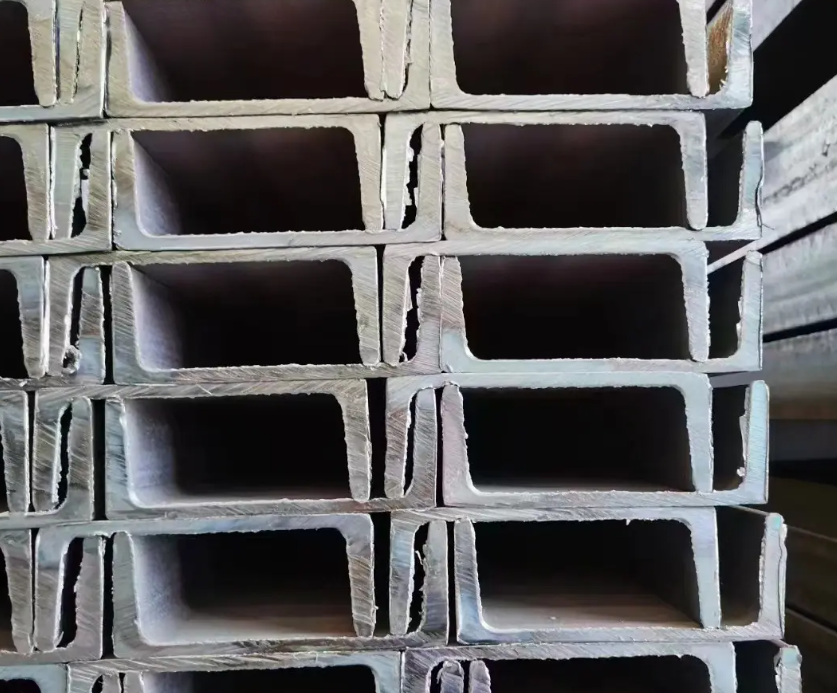
Once you know what you need the steel to do, you can start looking at the different profiles and see which one fits the bill. Each shape has its own strengths. Take the I-beam, for instance. Its shape is genius for resisting bending. That's why it's the go-to for the main beams and columns in buildings and bridges, as Xinlongteng's product descriptions highlight. Then you have the angle bar. It's simple and strong, and because it has that 90-degree corner, it's perfect for framing, making equipment bases, or reinforcing corners. Channel steel, with its C-like shape, is great for things like truck frames or building purlins where you need strength but also a flat surface for attaching things. And let's not forget the steel sheets and coils, which are your starting point for flat components. Choosing the right steel profiles is really about understanding this basic geometry and picking the shape that naturally handles the stresses of your project.
Quality Matters: Standards and Sourcing
Here's a reality check: not all steel is created equal. When you're building something that needs to be safe and last, the quality of your materials is non-negotiable. This is where things like international standards come in. You'll see mentions of ASTM, EN, or GB standards. These aren't just random letters. They are strict rules about the steel's chemical makeup and mechanical properties, like its yield strength and tensile strength. A reputable supplier, like Xinlongteng, ensures their products meet these standards and even welcomes third-party inspections from companies like SGS. This gives you confidence that the steel profiles you're getting will perform exactly as expected. It also pays to think about the supplier's capabilities. Do they have the stock you need? Can they handle the logistics for a trial order or a massive bulk shipment? Choosing a supplier with a strong quality control system and a global reach, as seen with Xinlongteng's delivery to over 30 countries, means you're building a reliable partnership, not just buying material.
Thinking About Fabrication and Finishing
Finally, a smart choice considers what happens after the steel arrives at your shop. How easy is it to work with? Can it be welded without special procedures? Will it need surface treatment to prevent rust? For example, if your project will be outdoors, you might choose profiles that can be easily galvanized or painted. If your design involves a lot of welding, you need steel with the right carbon content for clean, strong welds. This is also the time to think about customization. Maybe you need the steel cut to a specific length, or holes punched for bolts. Some suppliers offer these value-added services, tailoring the product to your exact specs. This kind of "on-demand customization" and technical support, which Xinlongteng highlights as part of its service, can save you a huge amount of fabrication time and reduce waste. So, when you're choosing, look for a partner who can do more than just sell you the raw material—someone who can help you get the job done efficiently from start to finish.