
 EN
EN
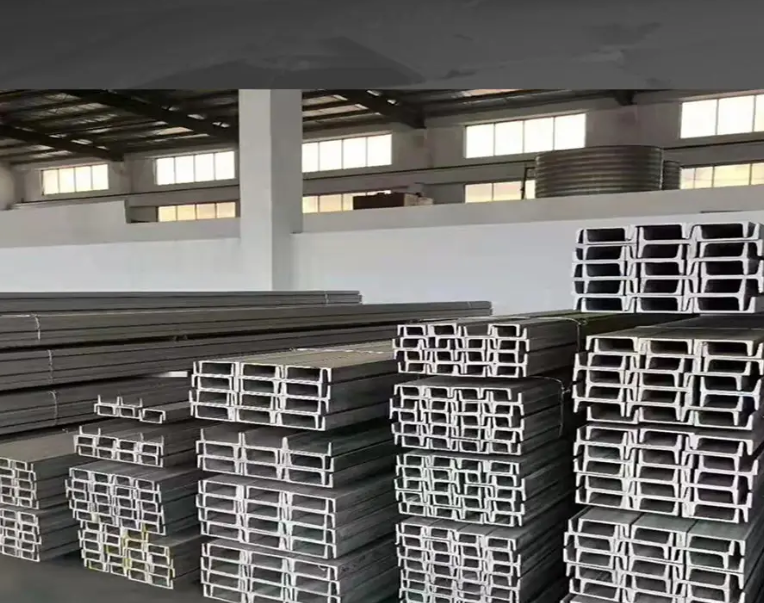
When you're planning a building, a bridge, or any kind of heavy structure, the bones of the project have to be right. And often, those bones are steel beams. The H beam is one of the most common and important shapes you'll encounter. It's the workhorse of construction, designed to handle serious weight. But here's the thing: not every H beam is the same. Pick one that's too small, and your structure could be unsafe. Pick one that's way bigger than needed, and you're wasting money. So, how do you find that sweet spot? How do you figure out exactly which H beam is the right one for the job? Let's walk through the practical way to make that call.
Understanding the Basics of the H Beam
First, let's get clear on what we're dealing with. An H beam gets its name from its cross section, which looks like a capital H. You've got the vertical part, called the web, and the horizontal top and bottom parts, called flanges. This shape is incredibly efficient. The flanges are designed to resist bending, which is the main force acting on a beam in something like a floor or a bridge. The web connects them and handles the shear forces. When a company like Xinlongteng describes their H beams as "core load-bearing structural materials," this is exactly why. The geometry is built for strength. Knowing this basic design helps you understand that the key dimensions you'll be looking at are the height of the beam (the web), the width of the flanges, and the thickness of both the web and the flanges. These measurements are the starting point for figuring out if a beam can handle your specific load.
Figuring Out the Load and Span
This is where you get down to the nitty gritty of your project. You need to answer two fundamental questions: How much weight does this beam need to support? And how far does it need to span between supports? The load isn't just one number. You have to think about the dead load, which is the permanent weight of the structure itself, like the concrete slabs, the roofing, and even the beam's own weight. Then there's the live load, which is the stuff that changes: people, furniture, vehicles, snow, wind. An engineer calculates these loads based on the building's use and local conditions. Once you have the total load and the span length, you can start to determine the required strength of the beam, often expressed as its moment of inertia or section modulus. These are engineering terms that describe how well a beam's shape resists bending. A longer span or a heavier load will demand a larger or thicker H beam.
Matching the Beam to Standards and Quality
So you have an idea of the size you need. But the story doesn't end there. You have to make sure the steel itself is up to the task. This is where material standards come in. You'll see references to things like ASTM (common in the US), EN (European Norms), or GB (Chinese standards). These standards specify the steel's grade, which tells you its yield strength—basically, the point at which it starts to permanently deform. Using a beam that meets the right standard for your region and project is non-negotiable for safety. A reliable supplier, like Xinlongteng, ensures their H beams comply with these international standards and often welcome third-party inspections to verify quality. This gives you confidence that the beam you're installing has the exact mechanical properties the engineer specified. It's a critical link between the design on paper and the real world structure.
Considering Connections and Practicalities
Finally, picking the right H beam isn't just about the beam itself in isolation. You have to think about how it connects to everything else. The beam will have to sit on columns or walls, and it will have other beams framing into it. The width of the flanges and the depth of the web affect how you can make these connections. Will standard connection details work? Do you need to weld plates onto the flanges? Also, think about the practical side of things. Can the beams be transported to your site? Does your supplier offer customization, like cutting the beams to precise lengths or pre-drilling holes for bolts? This kind of "on-demand customization" and technical support, which Xinlongteng highlights, can save an enormous amount of time and hassle during construction. Choosing a partner who understands these practical challenges makes the whole process smoother, from the initial order to the final bolt.