
 EN
EN
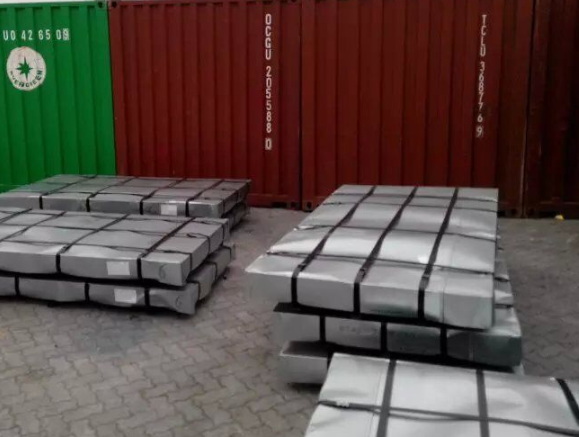
Have you seen that post about leaving scratch marks on a steel structure and waiting for it to rust? It remains completely rust-proof for years. You must be wondering how this post defies all laws of thinking. The post you should be watching is about the shiny coating. In construction and manufacturing, this coating has proved to be a miracle. Galvanized steel is everywhere, from huge industrial buildings to everyday construction guardrails.
However, this material is like no other. You can take a scratch to a piece of ordinary steel construction. Once you have done that, rust goes wild and spreads every day, every hour, until it consumes every piece of steel. You can take the same scratch to a piece of galvanized steel, and it will be condemned, scratch and all. But, we are about to explore the clever side of science. You will understand what is happening to the steel.
Scratches are the least of the concerns
This question will perplex many students in the engineering field. The answer will be undecided until the hot dip method question is revealed. As you might imagine, hot dip methods involve a melting pot of steel and a sprinkle of caution. In the modern world of construction, hot dip methods have created a newer sense of ‘arts and crafts.’
Once the coating is applied, the metal is simultaneously defended by three mechanisms: barrier protection, cathodic protection, and the establishment of zinc patina. Let's address the one responsible for dealing with scratches.
How Zinc Plays the Hero of Sacrifice
When the seal is broken by the scrapes of the painted steel, what was once contained, ie., the ice, water, and the air, are set free and the steel slowly oxidizes. Zinc, however, fights in a different manner. The chief of them all is the one that protects the paint seal from water and air. Zinc is a very reactive metal. In chemistry, zinc is classified as a anodic metal and steel is a cathodic metal. Zinc is preferred to corrode over steel. Tinder.
Another analogy would be a bodyguard. In cathodic protection, the zinc stands and protects the painted steel body from being shot at.
Here's how the protective coating works. When moisture seeps under the coating, it begins to damage the zinc. Zinc transforms into the anode, the more reactive corroding part, while the bare steel becomes the cathode. The corroding current flows from the cathode to the anode, causing the zinc to corrode and the steel to stay unharmed. The coating will continue to protect the steel until the zinc around the damage is fully corroded. In the case of smaller scratches, the coating will protect the steel for an extended period.
Self-Healing Nature of the Patina
Galvanizing has another positive side effect, in the short term the process appears to worsen the protective layer, but in reality the layer continues to protect and heal. The zinc, as it corrodes, combines with other chemicals. Zinc, as it oxidizes, combines with moisture and carbon dioxide in the atmosphere to form a layer of zinc patina. The zinc patina is then composed of zinc oxide, and then it contributes to the construction of a protective layer of zinc hydroxide that robs the moisture from the atmosphere, and a layer of zinc hydroxide.
This patina layer is dense and provides a durable self-healing scratch defense. Once a scratch is healed, the natural corrosion self-seals, and the patina forms a self-defensive barrier covering the scratch to slow down the corrosion. When this barrier is fully developed, galvanized steel provides a defense against corrosion, at a rate of 1/30 of the corrosion rate of carbon steel in the same environment. Meaning, the corrosion barrier is continuously tough, while the galvanized steel corrosion resistance increases, the patina self-protecting corrosion barrier increases as well.
Is there a Limit to the Size of the Scratch?
Does this self-healing coating have a barrier corrosion scratch limit? Generally, there is a barrier scratch limit. Specifically, steel naturally provides sacricifical protected barrier defense against corrosion scratches of about 5 millimeters. Hairline scratches not only are of no concern, but the underlying steel is fully protected by the zinc coating. Narrow scratches are much easier to heal than wide ones. A wide scratch, on the other hand, depletes a large cross section of self sacrifice, and scratch protection is a concern.
In coating depletion cases thick scratches may require a cold galvanizing touch-up or zincor galvanizing paint, but for the everyday scratches and steel surface exposures as a result of rough usage, the zinc galvanized coating provides sacrificial protected defense against daily corrosion.
How this Affects Your Projects
Less upkeep means lower expenses. This is a factor when designing building frames with galvanized steel. When a fork truck bumps a column or a beam is scratched by a tool, you can expect less expensive repairs.
Clients prefer our galvanized steel pipes and coils for extreme conditions. They are aware that galvanized coating improves security. You can transport, cut and install with less concern about tool scratches resulting in rust. You won't have to worry for repairs. Rusting is a huge issue for oil and gas pipelines, outdoor structures, agricultural equipment and more.
With Galvanized Steel instead of Stainless Steel
We are often asked how galvanized steel compares with stainless steel. They are both amazing, but work in different ways. Stainless steel is expensive and very strong. It has a very tough galvanize passive layer. Galvanized steel is in a class of its own, and possibly the most versatile steel. It offers great performance, excellent corrosion resistance through zinc layer, and is less expensive. It is often the more economical option.
Watching the Coating
Galvanized steel, while sturdy and durable, shouldn't be neglected for decades at a time. Along coastal areas, where lots of salty water is present, the zinc coating is eroded the fastest. However, it leaves signs beforehand. The zinc coating will erode before the steel rusts. This gives you time to plan a recoating to avoid any structural loss. Predictable, long-lasting coatings are music to the ears of engineers and project managers.
Galvanizing, because of zinc’s sacrificial properties, means steel will be protected long after surface scratches occur. If your project involve a bridge, solar farm, or factory, the coating keeps your steel safe and the project running for decades. It's a secret worth sharing.