
 EN
EN
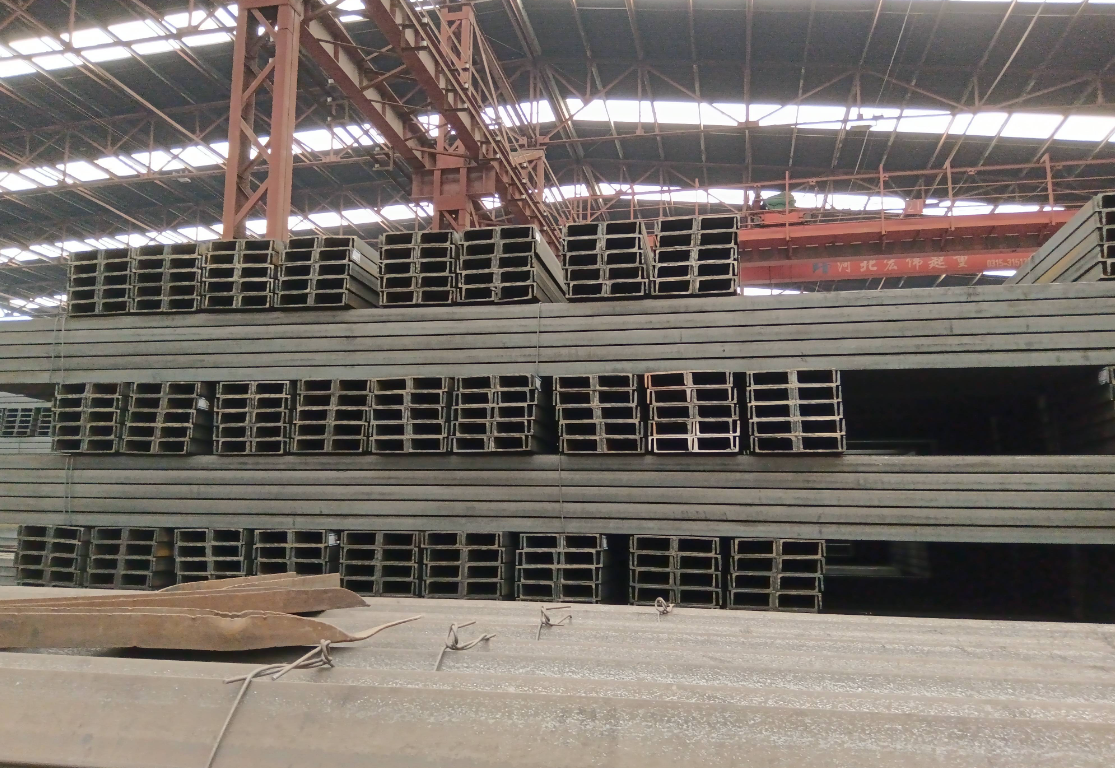
When explaining steel frameworks, the focus is typically on the impressive beams like I beams and H beams. But there is also another shape that is just as important, if not more. This shape is less complex, smaller, and is used in almost every steel construction. This shape is channel steel. While it doesn’t get as much praise as the big beams, it does a lot of the work that holds a building's structure together. It is flexible, very effective, and much stronger than you’d expect. Once you understand the fundamentals of channel steel, you will start seeing it more often. Let's examine the construction channel steel values in detail.
Flexibility and Robustness
Channel steel’s defining feature is its unique shape. From the side, it is in the shape of a C, with a flat back and two flanges protruding on one side. This shape is engineered to distribute the steel’s weight effectively while maximizing its strength. The flanges take care of the bending forces and the back contributes to overall stability. The engineering involved in giving steel strength while keeping the weight down is one of the many reasons channel steel is used in such varied applications. It is more than adequate for structural applications and it is not too heavy to be cumbersome. It is the perfect steel for use in framing, bracing, and support, without increasing the bulk of the structure.
Simple to Use and Integrate
Working with channel steel is convenient and it helps me to bring my ideas to life. Since it has a flat back, it provides a clean surface to bolt or weld to other members. You can easily connect it to walls, columns, or other beams. This simplicity with steel members is why it is so popular for connections and secondary framing. During steel construction, there are always situations where one member has to be connected to another. Channel steel is typically the best solution. Plus, it is easily drillable and cuttable with ordinary tools. Other than the standard tools, it doesn’t necessitate specialized ones to modify it. This convenience translates to a direct saving in time and money for builders and fabricators.
A Natural Fit for Framing Systems
When it comes to framing, channel steel is an obvious choice. In wall systems, it is commonly used as studs or for horizontal bracing. In roof systems, it is used as purlins, which are the supports for the roof panels and run between the primary rafters. In floor systems, it is found as joists or supports for the decking. The C shape provides adequate strength for long spans without sagging, and the open side is advantageous for easy runs of electrical or plumbing services. I have seen channel steel used in everything from small workshops to large industrial buildings. It suits any need the structure demands.
Versatility in Multiple Uses
When it comes to channel steel, one of the key benefits is its multiple functionality. It can act as a beam, carrying loads across openings, as a column where it supports vertical loads, and as a brace, keeping the structure square and stabilizing it. It can also serve as a support for equipment, for a platform, or for a staircase. There is a reason it is utilized so extensively in the construction industry. While the channel steel design is uncomplicated, it allows for a range of applications to be solved using it, which is not the case when using more complex shapes. It is also ideal for reinforcing existing structures, and I have seen it used in support of structures like bridges, transmission towers, frames for machinery, and many more, in the industrial arena. It is one of the materials I can recommend without hesitation as it is consistently reliable.
Cost Effective Construction Solutions
Cost is a primary concern when overseeing a construction project. Channel steel strikes a good balance on the spectrum of price versus performance. It isn’t the cheapest option, but it isn’t the most expensive either. What is most important is the value it offers. You receive a material that is strong, durable, and reliable, without paying for capacity you won’t utilize. Channel steel is especially a good option for secondary framing and bracing when the loads will be less than the main beams because it offers enough strength without contributing to unnecessary costs. Given that channel steel is quite easy to work with, the labor costs associated with fabrication and installation are also quite favorable.
Dependable and Consistent Quality
Channel steel gets manufactured to standards, allowing the buyer to predict their range and scope. Channels show standard dimension, and material properties. This predictability is critical while designing the structure. Engineers predict the exact load limits and span to which the channel can carry, and design the connections. Builders trust that material will behave and perform as desired. There is no guesswork, no unknowns. That is the reliability that channel steel provides and is a large part as to why it is used for so long. There is no room to worry about weaknesses, quality/scope variations. Provided it is sourced from a reputable supplier, channel steel will perform as expected.
Channel Steel in Structural Systems
Isolated Channel Steel sections assemblies in isolation Channel steel sections assemblies can be used in combination with other sections. For example, a structural frame can consist of I-beams, with channel steel used for purlins, or wide flange beams for columns, with channel steel bracing for maintaining the square. Channel steel is compatible with many construction elements. They can be easily bolted to I beams and welded to plates cleanly, and they fit snugly into framing. Because of this, it is a popular choice for structural engineers and fabricators. They can fit channel steel right into their design when a secondary member is required.
Things to Consider
Channel steel has a specific set of attributes like any other material, and to use it properly, these attributes have to be understood and considered. Because of the open C shape, one side is less stiff than the other. This open side affects deflection and performance. Placing the channel steel the wrong way is not a mistake, but rather, it is a phenomenon that is part of the attributes of the material. When channel steel is placed properly, and the load is placed on the stiff side of the C channel, it will deflect and perform as expected. Steel will corrode and channel steel will also need to be protected from corrosion. For outdoor use, you can use a protective coating or there is channel steel that is galvanized for extra corrosion protection.
A Stealthy Kind of Strength
A large steel beam draws a lot of attention, but they are a lot more common than you might think. They may not be flashy, but they do their job without need for a lot of show. They are good value for all the steel they use, and they are easy to work with for steel fabricators. Steel construction channel is a material you will see a lot of in steel buildings. Use your eyes and see what is in the walls, in the roof, and in the braces. If steel construction channel beams are being mentioned in the construction channels, they are doing all the work to hold the building together. Steel construction channel beams are a workhorse material and they may be quiet, but they need no further embellishment.
When working on plans and drawings that call for steel framing, don't allow construction channel beams to fall through the cracks. They are a material that has earned a place in the builder's toolkit, and it is likely to be the best option available in regard to strength, versatility, and economy. Channel construction steel will suit large industrial buildings, small buildings, and anything new construction and retrofits.