
 EN
EN
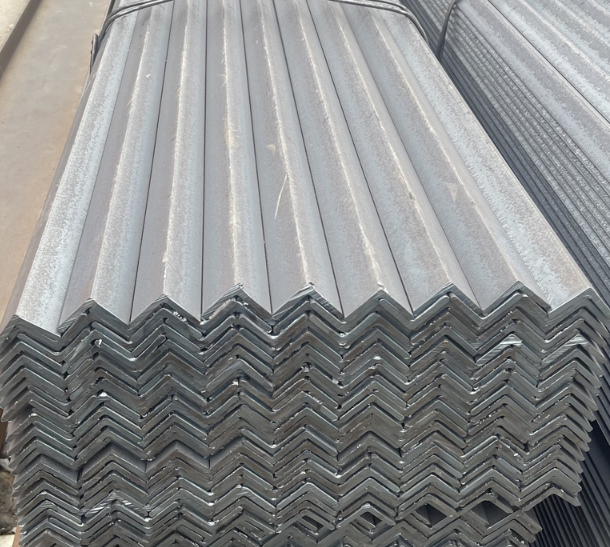
If you have ever walked past a construction site, you have probably seen those L shaped metal pieces sticking out of concrete or holding up a framework. Those are steel angles. They are everywhere, holding up shelves, reinforcing walls, making frames for big industrial sheds. But here is the thing that confuses a lot of people. Not all steel angles are the same. The grade of steel you pick actually decides how strong it is, how easy it is to weld, and how long it will last. So let us break down the common steel grades for angle steel so you know exactly what to look for next time you need some.
Why Steel Grade Actually Matters
A lot of folks think steel is just steel. That is not true at all. Think of it like wood. You would not use soft pine to build a bridge, right? Same idea here. Different steel grades have different amounts of carbon and other alloy elements mixed in. That changes the yield strength, the ductility, and how well it handles bending or twisting. Using the wrong grade can mean cracks, sagging, or even a total collapse down the road. So knowing your grades is not just nerdy engineering talk. It is about keeping things safe and saving money on repairs later.
A36 The Workhorse of General Construction
If there is one grade you will see everywhere, it is ASTM A36. This is the most common carbon structural steel used in the United States and many other countries. A36 has a minimum yield strength of 36,000 psi, which is about 250 megapascals. That is plenty strong for most everyday building jobs. Think about residential buildings, small commercial structures, roof trusses, and wall supports. It handles weight well and does not cost a fortune.
What makes A36 so popular is how easy it is to work with. You can weld it, drill it, cut it, and bend it without needing special equipment or a lot of preheating. The carbon content is kept low, under 0.26 percent, so it is very forgiving on the job site. A36 steel angle is often used for stair treads, handrails, shelving racks, and general framework. It is the go to choice when you need something reliable but not overly fancy. Many steel suppliers stock A36 angles in a wide range of sizes, from tiny little pieces up to big structural beams. You will also find A36 used in farm equipment, drilling rigs, and even some bridge components for lighter duty applications.
A572 For When You Need Extra Muscle
Sometimes A36 just does not cut it. Maybe you are building a big industrial shed or a bridge that has to hold heavy machinery. That is when you call in A572. This is a high strength low alloy steel, which is just a fancy way of saying it is tougher than A36 without being much heavier.
The most common version is A572 Grade 50. It has a minimum yield strength of 50,000 psi, which is about 345 megapascals. That is roughly 39 percent stronger than A36. So if you have the same size angle, A572 can carry a lot more weight. That means you can sometimes use a thinner, lighter piece of steel to do the same job, which saves money on material and makes the whole structure lighter.
A572 also contains small amounts of alloying elements like manganese, vanadium, and niobium. These give it better toughness and fatigue resistance. That makes it a great choice for things that get a lot of repeated stress, like crane rails, heavy equipment bases, and bridge components. The only downside is that A572 costs more than A36, and it does not have built in rust resistance. You still need to protect it with paint or galvanizing if it is going outside. But for pure strength, A572 is a clear winner.
A992 The Modern Choice for Building Frames
Here is a grade that a lot of engineers are switching to these days. ASTM A992 is actually designed specifically for structural shapes used in building framing. It has a minimum yield strength of 50,000 psi, just like A572 Grade 50. But A992 has some extra requirements that make it even better for construction.
A992 steel has tighter controls on its toughness, especially at low temperatures. That matters a lot if you are building in a place that gets cold winters. It also has a maximum yield to tensile strength ratio, which means it will stretch a bit before it breaks. That gives you a warning sign before failure instead of just snapping suddenly. This makes A992 a favorite for buildings in earthquake prone areas because it can absorb energy without shattering.
Another big advantage of A992 is that it is fully compatible with the AISC 360 design standard. That means if you are an engineer in the United States, you can pull the numbers straight from the handbook and know they will work. No guesswork. For steel angles used in building frames, columns, and major structural connections, A992 is often the specified grade. It gives you the strength of A572 with better overall performance for modern construction needs.
Chinese Grades Q235 and Q355
If you are sourcing steel from China, you will run into GB standards. The two most common grades there are Q235 and Q355. Q235 is roughly equivalent to ASTM A36. It has a yield strength of about 235 megapascals. Q355 is similar to A572 Grade 50, with a yield strength around 355 megapascals. Q355 also often includes tiny amounts of rare earth elements that improve fatigue resistance and low temperature toughness. Both grades are widely used in construction, infrastructure, and machinery manufacturing across Asia and beyond. For international projects, many suppliers offer steel angles that meet both GB and ASTM standards, so you can pick whichever works best for your design.
Special Grades for Harsh Environments
Sometimes the job is not just about strength. Maybe you are building near the ocean or in a place with a lot of chemical exposure. Regular carbon steel will rust away surprisingly fast in those conditions. That is where weathering steel grades like ASTM A588 come in. A588 has a higher amount of copper, chromium, and nickel. These elements make the steel form a tight, protective rust layer on the surface. That layer actually stops further corrosion. You do not even need to paint it. A588 is a great choice for outdoor structures, bridges, and transmission towers in coastal or industrial areas.
Another option for harsh environments is galvanized angle steel. The galvanizing process adds a thick zinc coating that acts as a sacrificial barrier. Even if the coating gets scratched, the zinc will corrode first and protect the steel underneath. Galvanized angles are common in outdoor frameworks, fencing, and agricultural buildings where moisture is a constant problem.
How to Pick the Right Grade for Your Project
Choosing the right steel grade really comes down to three questions. First, how much weight does it need to hold? If it is just light duty, like shelves or handrails, A36 is plenty. If it is heavy industrial stuff, go with A572 or A992. Second, where is it going? Indoors, regular carbon steel is fine. Outdoors, you need galvanized or weathering steel. Third, what is your budget? A36 is the cheapest, but it might not last as long in tough conditions. Spending a little more upfront on a higher grade can save you a lot on maintenance and replacement later.
At Xinlongteng, we see customers make the wrong choice all the time. They buy cheap steel to save a few bucks, and then two years later they are paying for repairs or replacements. It is always better to match the grade to the job. A36 is great for general stuff. A572 and A992 are for when you need real muscle. And for salty air or wet environments, do not skip the galvanized or weathering grades. Steel angles are simple things, but picking the right one makes all the difference. So next time you are looking at that L shaped piece of metal, you will know exactly what questions to ask.