
 EN
EN
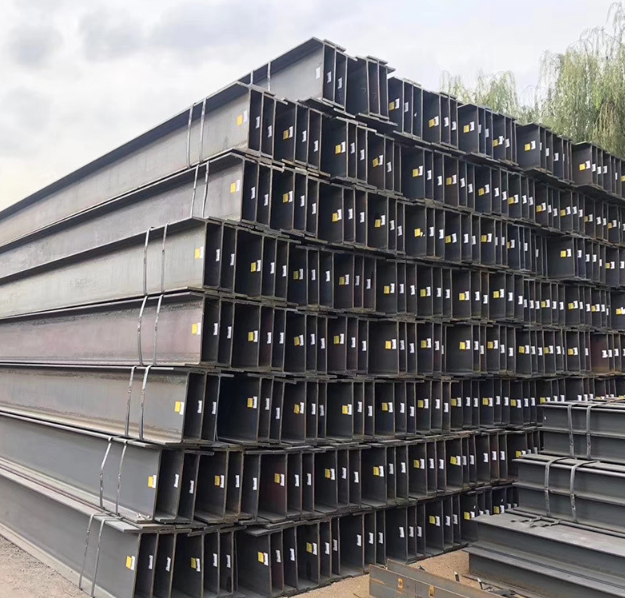
Living near the ocean is beautiful, but it is a nightmare for steel. The salty air, the humidity, the constant sea spray, they all eat away at metal like a hungry beast. Regular steel starts showing rust spots within months. But there is a reason why so many coastal structures still stand strong after decades. The secret is a simple piece of steel that has been through a hot bath of zinc. That piece is called channel steel, and when it is galvanized, it becomes a true fighter against corrosion. People often ask how long it will last. For a well made galvanized channel steel in a coastal environment, you can easily expect 20 years of solid service, often much longer.
The Hidden Science That Makes It Work
So what is the magic behind this protection? It is not magic, it is chemistry. Regular channel steel is just bare carbon steel. Put that near the ocean, and the salt water acts like an electrolyte, turning the steel into rust in no time. But galvanizing changes the game completely.
The process is called hot dip galvanizing. The steel channel gets dipped into a bath of molten zinc at around 840 degrees Fahrenheit. That heat creates a bond between the zinc and the steel, not just a coating sitting on top, but an actual alloy layer that becomes part of the metal. This gives you two layers of defense. First, the zinc acts as a barrier, sealing the steel away from the air and salt. Second, and this is the clever part, zinc is what chemists call anodic to steel. That means zinc wants to corrode more than steel does. So if the zinc layer gets scratched or damaged, the zinc sacrifices itself to protect the steel underneath. The surrounding zinc will keep corroding instead of the steel, giving you a safety net that never sleeps.
The Tougher the Weather, The Tougher It Gets
Here is a cool thing about galvanized channel steel that most people do not know. When zinc is exposed to the air, it does not just rust away like steel. It forms a protective film on its surface. First it turns into zinc oxide, then zinc hydroxide, and finally it becomes zinc carbonate. This last one is a stable, dense, grayish layer that sticks tightly to the zinc underneath. Once this patina forms, it actually slows down further corrosion.
In a coastal environment, this process happens faster because of the salt and moisture. And the patina that forms in marine areas is actually more protective than the one that forms inland. So the channel steel essentially builds its own shield over time. The more it weathers, the tougher the surface gets. It is like a fighter developing calluses on his knuckles. The environment that tries to destroy the steel ends up making the protective layer stronger.
Real World Numbers from Real Coastal Projects
Let us get down to some actual numbers. Research and field data show that hot dip galvanized steel in coastal settings typically provides 15 to 25 years of maintenance free life. Some studies put the number at 20 to 50 years, depending on how close you are to the water. A structure sitting right on the beach, getting direct salt spray, will have a shorter life than one a few hundred yards inland. But even in the worst spots, you are looking at a solid two decades before you need to think about repairs.
For comparison, plain carbon steel in the same spot would start showing serious rust within two to three years. A painted steel beam might last five to seven years before the paint fails and the rust takes over. So galvanized channel steel gives you roughly three to five times the lifespan of painted steel, with zero maintenance in between. That is a huge saving in both money and headaches.
Why the Thickness of the Zinc Matters
Not all galvanizing is the same. The thickness of the zinc coating is what really determines how long the channel steel will last. Standard hot dip galvanizing for structural steel typically gives you a coating thickness between 50 and 150 microns. Thicker coating means longer life, plain and simple. For coastal environments, a lot of engineers specify a heavier coating, sometimes up to 200 microns or more. The extra thickness adds years of protection.
The coating thickness is governed by standards like ASTM A123, which sets minimum requirements based on the thickness of the steel being galvanized. A good galvanizer will follow these standards to ensure consistent quality. When you are buying channel steel for a coastal project, it pays to ask about the coating weight and thickness. A few extra microns of zinc can mean an extra five to ten years of service life. That is a small upfront cost for a big payoff down the road.
What About Scratches and Welds
One question that comes up a lot is what happens when you cut or weld galvanized channel steel. After all, construction sites are rough places. Tools slip, welders need to attach brackets, holes get drilled. Does that ruin the protection? Not really, if you handle it right.
When you cut a piece of galvanized steel, the bare steel gets exposed at the cut edge. But remember the sacrificial protection we talked about. The zinc surrounding that cut edge will corrode first, protecting the exposed steel. For small scratches or cut edges, this works just fine. For larger damaged areas, like a big weld zone where the galvanizing got burned off, you do need to do some touch up. Cold galvanizing spray or zinc rich paint can be applied to those spots to restore the protection. A little bit of care during installation goes a long way.
Where You See Galvanized Channel Steel at Work
Walk along any coastal area and you will see galvanized channel steel everywhere. It is holding up highway guardrails, supporting power transmission towers, framing industrial sheds and warehouses. Port facilities use it for crane rails and dock structures. Farmers near the coast use it for animal shelters and equipment sheds. The reason is simple. It works, it is affordable, and you do not have to think about it for 20 years.
At Xinlongteng, we supply galvanized channel steel to customers all over the world, many of them building right along the coastline. They choose it because they have seen what happens when you use the wrong steel. Salt water does not forgive, and it does not forget. But galvanized channel steel takes the hit and keeps standing. It is the smart, practical choice for anyone who wants a structure that will last.
The Bottom Line on Coastal Protection
So here is the takeaway. If you are building something near the ocean, do not gamble with ordinary steel. The salt will find every weakness and exploit it. But a properly galvanized channel steel gives you a proven, reliable defense that can easily deliver 20 years of corrosion resistance. The science is solid, the track record is long, and the savings are real. It is one of those rare cases where doing it right the first time actually costs less in the long run. And that is something any builder can appreciate.