
 EN
EN
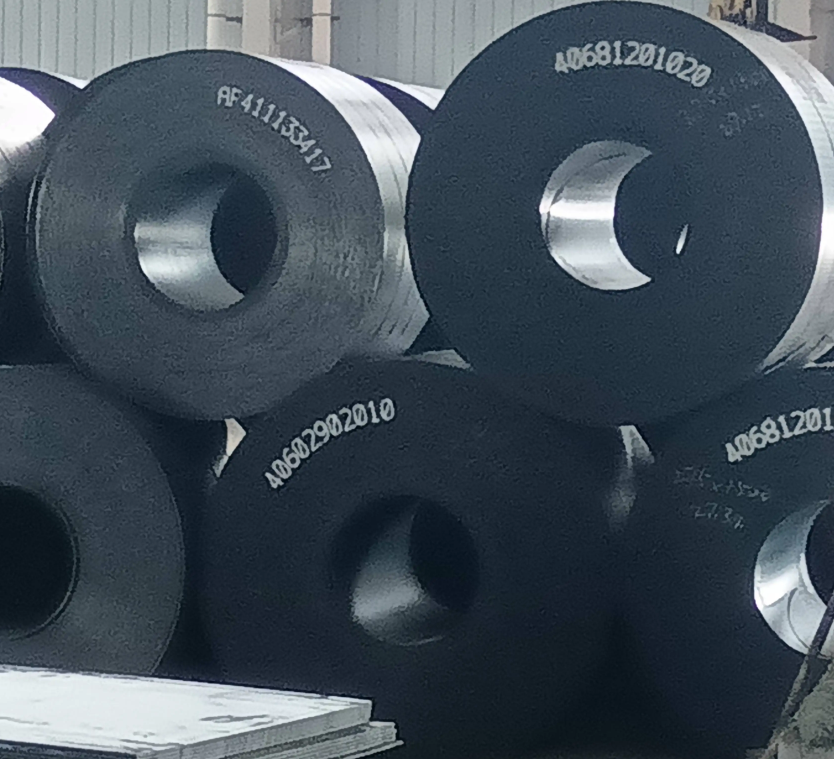
The Starting Point of Steel
Ever looked at a massive steel bridge or a skyscraper and wondered how those giant metal pieces are actually made? It all starts with a coil. A steel coil is basically a long strip of steel wrapped up tightly like a giant roll of toilet paper, but way heavier and stronger. Depending on how it is processed, it ends up in everything from car doors to building frames. The two big players here are hot rolled steel coil and cold rolled steel. They sound similar, but trust me, they are quite different animals. Knowing which one to pick for a job can save a lot of headaches and money down the road.
What Makes Hot Rolled Steel Coil So Special
Let us talk about the hot stuff first. Imagine a slab of steel getting blasted with heat until it is glowing orange. We are talking about temperatures above 1,700 degrees Fahrenheit. At that point, the steel becomes soft and super easy to bend and shape. This is the hot rolled steel coil process. The hot slab goes through a series of heavy rollers that squeeze it down to the thickness you want. Then it gets cooled down and rolled up into a big coil.
Because the steel is worked while it is hot, it stays pretty ductile. That means it can take a beating without cracking. The surface does come out looking a bit rough and scaly, like it has a layer of bluish grey skin. That is just from the high heat and cooling process. But for a lot of jobs, nobody cares what the surface looks like as long as the steel is strong.
What Makes Cold Rolled Steel Different
Now, cold rolled steel is a whole different story. It actually starts its life as a hot rolled steel coil. After that coil is made, it goes through some extra steps. First, the coil gets dipped in an acid bath to strip off that rough scaly skin. Then it gets passed through more rollers, but this time at room temperature. Squeezing the steel cold makes the metal grains line up tighter, which makes it a lot stronger.
In fact, cold rolled steel can be about 20 percent stronger than the hot rolled stuff. The surface also comes out smooth and shiny, almost like a mirror. But that extra work means it costs more. The cold rolling process also makes the steel a bit less flexible. You can bend it, but you have to be more careful.
How the Two Steels Look and Feel
If you put a piece of hot rolled and a piece of cold rolled side by side, you would spot the difference right away. The hot rolled steel coil has a rough, dull, bluish grey finish. It might even have a few flakes of scale on it. The edges are a little rounded, and the dimensions are not perfectly exact. That is just how it comes off the mill.
The cold rolled piece, on the other hand, looks clean and polished. It has a smooth surface that feels nice to the touch. The corners are sharp, and the thickness is very consistent from one end to the other. That is because the cold rolling process gives you much tighter control over the final shape. If you need a piece of steel that looks good without any extra work, cold rolled is the way to go.
Where You Actually Use Each One
So when should you reach for a hot rolled steel coil, and when should you grab cold rolled? It really comes down to what you are building. For big heavy stuff that does not need to look pretty, hot rolled is perfect. Think about the frame of a building, the columns holding up a bridge, or the rails that trains run on. These things just need to be tough and affordable. The rough surface does not matter because nobody is staring at the inside of a steel beam.
Hot rolled steel coil is also the starting material for things like pipes, tubes, and railroad tracks. It is the workhorse of the construction industry. Over at Xinlongteng, we see a lot of clients using hot rolled for big infrastructure jobs where strength is the only thing that counts.
Cold rolled steel is for the stuff that needs precision and a nice look. Car body panels are a great example. You want that smooth painted finish on a car door, so you need a smooth starting surface. The same goes for home appliances like refrigerators and washing machines. The outer shells on those products are often made from cold rolled steel because it takes paint beautifully and looks clean.
You also find cold rolled in metal furniture, filing cabinets, and electrical enclosures. Anywhere you want a sharp edge and a consistent thickness, cold rolled is the better choice. It is also used for precision parts in machinery where the dimensions have to be just right.
Picking the Right Steel for the Job
Choosing between these two is not really about which one is better. It is about which one fits your project. If you are putting up a big warehouse or a factory, hot rolled steel coil is usually the smart pick. It gives you the strength you need without blowing your budget. The rough surface does not hurt anything, and the slightly loose tolerances are fine for structural work.
But if you are making something that people will look at and touch every day, like a car or a kitchen appliance, you want cold rolled. The extra cost is worth it because you get a smooth finish and perfect dimensions. Cold rolled also works better for small parts that need to fit together precisely.
Sometimes you even use both in the same product. A car frame might use hot rolled steel for the heavy structural parts underneath, while the outer body panels are made from cold rolled steel. They each do what they do best.
The Bottom Line on Steel Coils
At the end of the day, hot rolled steel coil and cold rolled steel are two versions of the same basic material, just processed differently. Hot rolled is the tough, affordable, no nonsense option for big structural jobs. It is easy to work with and gets the job done without a lot of fuss. Cold rolled is the polished, precise, high strength choice for applications where looks and accuracy matter. It costs more, but you get what you pay for.
Whether you are building a bridge or a bicycle frame, understanding the difference helps you make the right call. And that is the real secret to working with steel.