 EN
EN
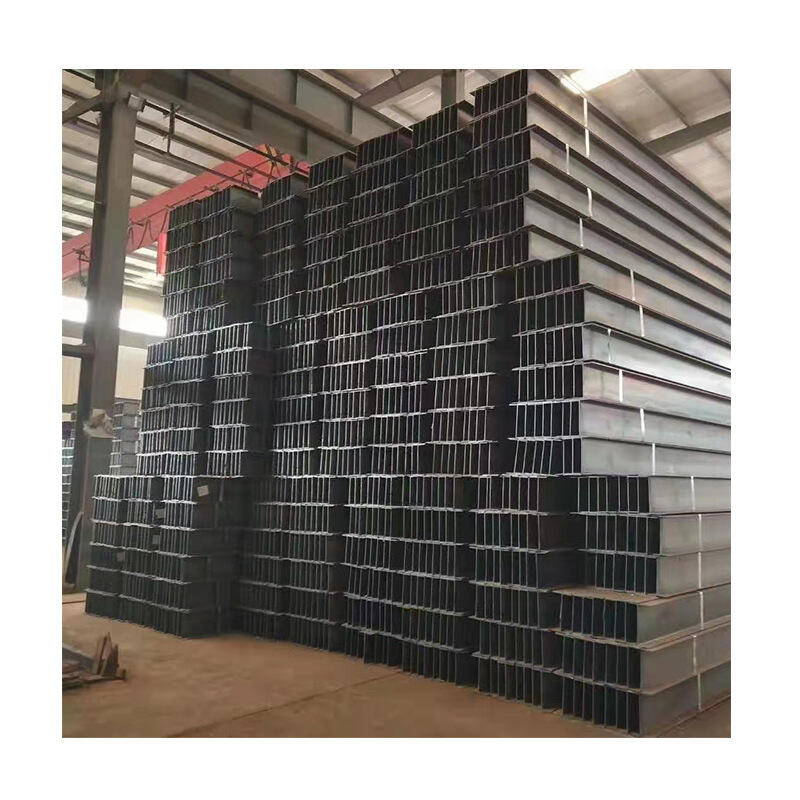
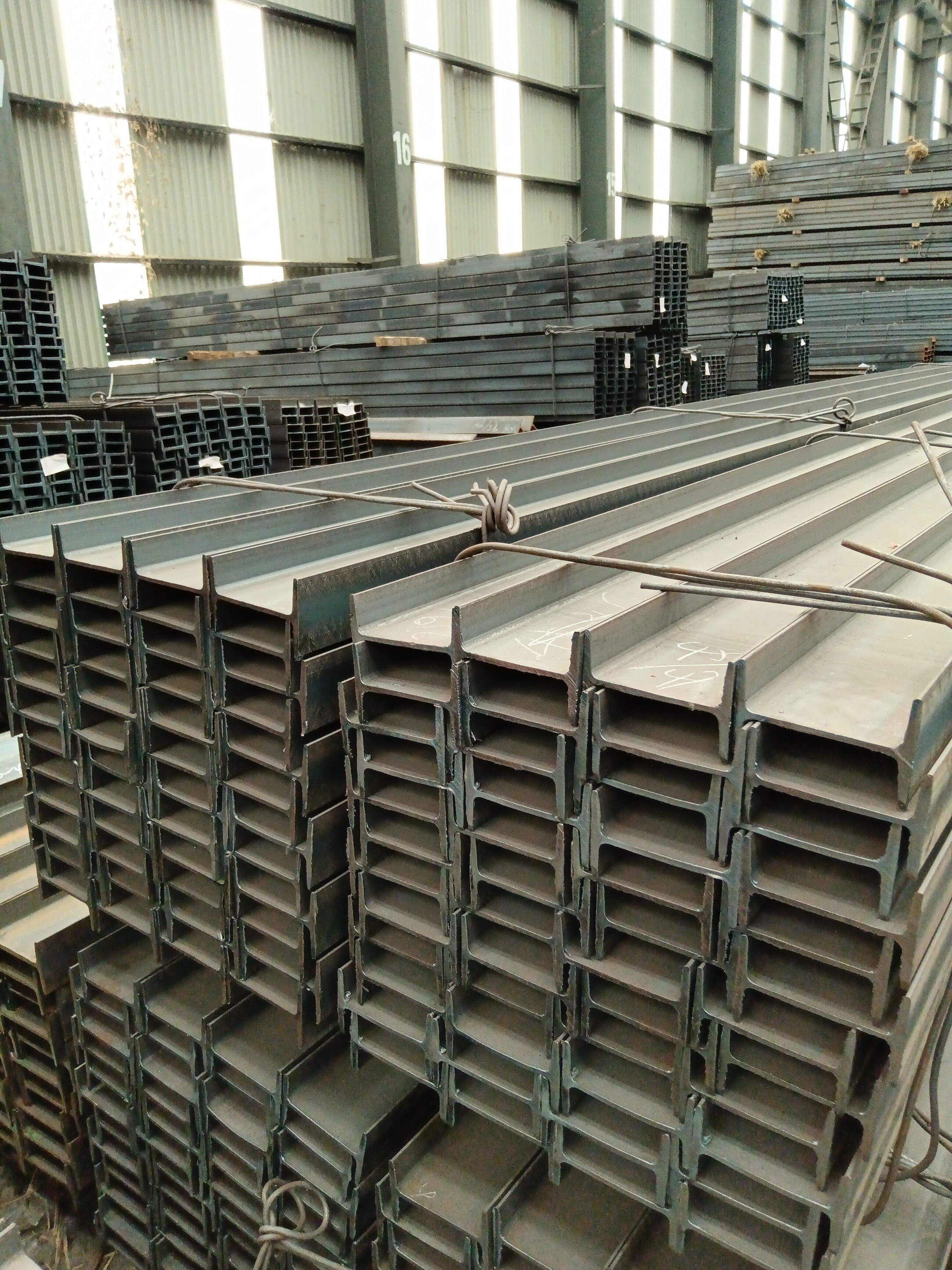
H Beam
Height (H): 100 mm - 1000 mm
Flange width (B): 50mm - 300mm
Abdominal thickness (t₁): 5 mm - 40 mm
Flange thickness (t₂): 7 mm - 60 mm
- Overview
- Recommended Products
Product Overview
H steel is a highly efficient and economical structural steel product characterized by its distinctive "H"-shaped cross-section, which consists of a central vertical web and two parallel horizontal flanges. This unique structural design is the core of its superior performance, as it optimizes the distribution of material to maximize strength while minimizing weight. Unlike traditional steel profiles, H steel boasts an excellent strength-to-weight ratio, with a large section modulus that endows it with exceptional bending resistance and torsional stiffness. These inherent advantages make it a preferred choice in a wide range of engineering projects, where it delivers reliable structural support while reducing overall construction costs.
Crafted from high-quality carbon structural steel (such as Q235, Q345) or low-alloy high-strength steel, H steel undergoes advanced continuous casting and continuous rolling processes. The continuous casting process ensures uniform chemical composition and dense internal structure of the billet, while the continuous rolling technology guarantees high dimensional accuracy—with tight tolerances for flange thickness, web thickness, and overall cross-sectional dimensions. This precision manufacturing not only enhances the product’s mechanical stability but also ensures seamless compatibility with standard construction components. H steel fully complies with mainstream national and international standards, including GB/T 11263 (Chinese standard), EN 10025 (European standard), and ASTM A6/A6M (American standard), making it suitable for both domestic and international engineering projects.
Widely recognized for its versatility, H steel is extensively applied in industrial and civil buildings, bridges, towers, mechanical structures, and energy engineering. Its ability to adapt to diverse load conditions and environmental requirements has solidified its position as a cornerstone material in modern construction and manufacturing industries. Whether used as load-bearing beams in high-rise buildings or structural supports in large-scale industrial facilities, H steel consistently delivers exceptional performance and durability.
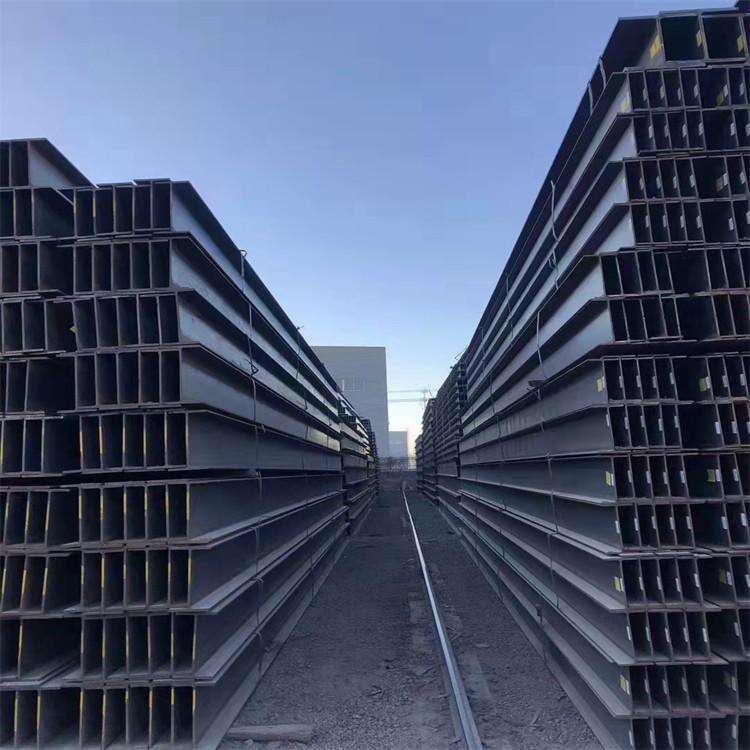
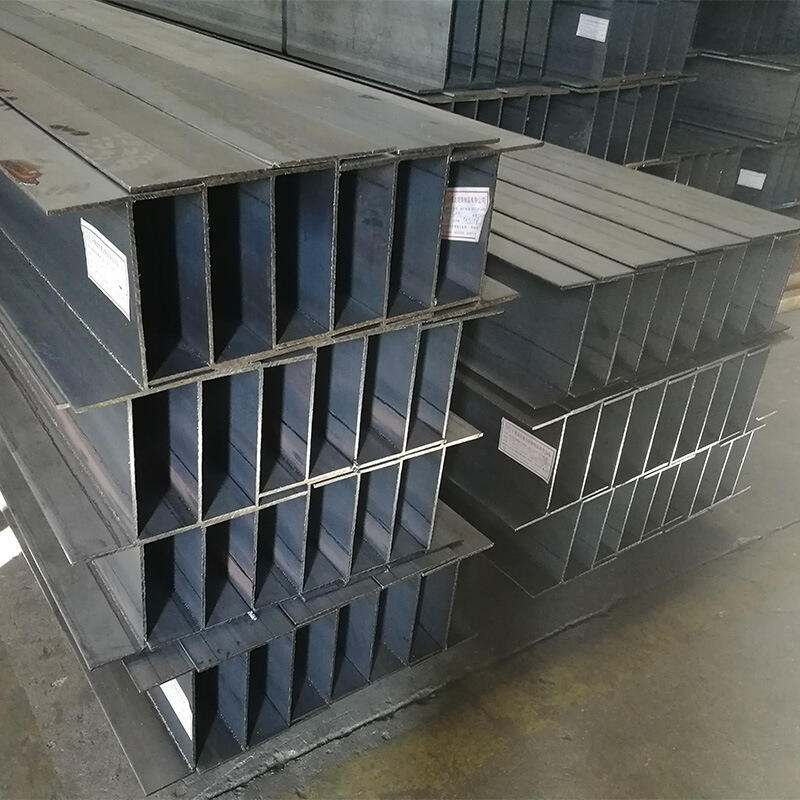
Core advantage
1. High Strength and Light Weight: Cost-Efficient Material Utilization
One of the most prominent advantages of H steel is its superior strength-to-weight ratio. Compared with traditional I-beams, H steel achieves higher structural strength with less material consumption, typically saving 15% to 30% of steel usage in engineering projects. This efficiency stems from its rational cross-sectional design: the wide flanges provide strong resistance to bending, while the web effectively transfers shear forces, ensuring that the material is fully utilized in critical stress-bearing areas. The reduced weight not only lowers the cost of raw materials but also simplifies transportation and hoisting during construction, reducing labor and equipment costs. For large-scale projects such as high-rise buildings and long-span bridges, this weight reduction can also decrease the load on the foundation, further optimizing the overall project design and reducing construction investment.
2. Stable Structure: Facilitates Reliable Connections
H steel features wide, parallel flanges on both inner and outer sides, with a flat and smooth surface that facilitates high-strength bolt connections. Unlike some irregularly shaped steel profiles, the consistent flange dimensions and parallel design of H steel ensure uniform stress distribution at connection points, enhancing the stability and reliability of the entire structure. High-strength bolted connections eliminate the need for complex welding operations in some cases, reducing the risk of welding defects and improving construction quality. Additionally, the stable structural design of H steel minimizes deformation under load, ensuring long-term structural integrity and safety. This makes it particularly suitable for load-bearing structures that require high connection strength, such as steel frames of industrial plants and bridge trusses.
3. Convenient Processing: Reduces Construction Difficulty
H steel is designed for ease of processing, supporting direct welding, drilling, and cutting without compromising its structural performance. Its regular cross-sectional shape and uniform material texture allow for precise processing using standard construction tools, reducing the difficulty of on-site operations. During installation, H steel can be quickly cut to the required length, drilled for bolt holes, or welded to other components, significantly shortening the construction period. This convenience is especially valuable in projects with tight schedules or complex on-site conditions, as it improves construction efficiency and reduces the need for specialized processing equipment. Whether for prefabricated steel structures in factories or on-site modifications, H steel’s processing flexibility ensures smooth progress of the project.
4. Green and Environmentally Friendly: Aligns with Sustainable Development
As a fully recyclable material, H steel adheres to the concept of sustainable development and environmental protection. Steel is one of the most recyclable materials globally, and H steel can be 100% recycled at the end of its service life without losing its material properties. Recycled H steel can be remelted and reused to produce new steel products, reducing the consumption of virgin iron ore and minimizing environmental pollution. Additionally, the production process of H steel has been continuously optimized with the adoption of energy-saving technologies and emission-reduction measures, further reducing its carbon footprint. Choosing H steel for engineering projects not only meets the functional requirements of the structure but also contributes to the development of green buildings and low-carbon construction, in line with global environmental protection trends.
5. Complete Specifications: Covers Diverse Application Needs
H steel offers a comprehensive range of specifications to cater to different engineering requirements, including narrow flange (HN), wide flange (HW), medium flange (HM), and thin-walled light series. The narrow flange series (HN) is characterized by its slender structure, making it suitable for beam members in buildings and mechanical structures where space is limited. The wide flange series (HW) features thick flanges and high load-bearing capacity, ideal for columns and main beams in heavy industrial plants and high-rise buildings. The medium flange series (HM) balances the advantages of narrow and wide flange products, providing versatile performance for general construction and bridge projects. The thin-walled light series is designed for lightweight structures such as temporary buildings and interior partitions, offering cost savings and easy installation. This complete product line ensures that engineers and designers can select the most appropriate H steel specification for any project, maximizing the efficiency and economy of the structure.
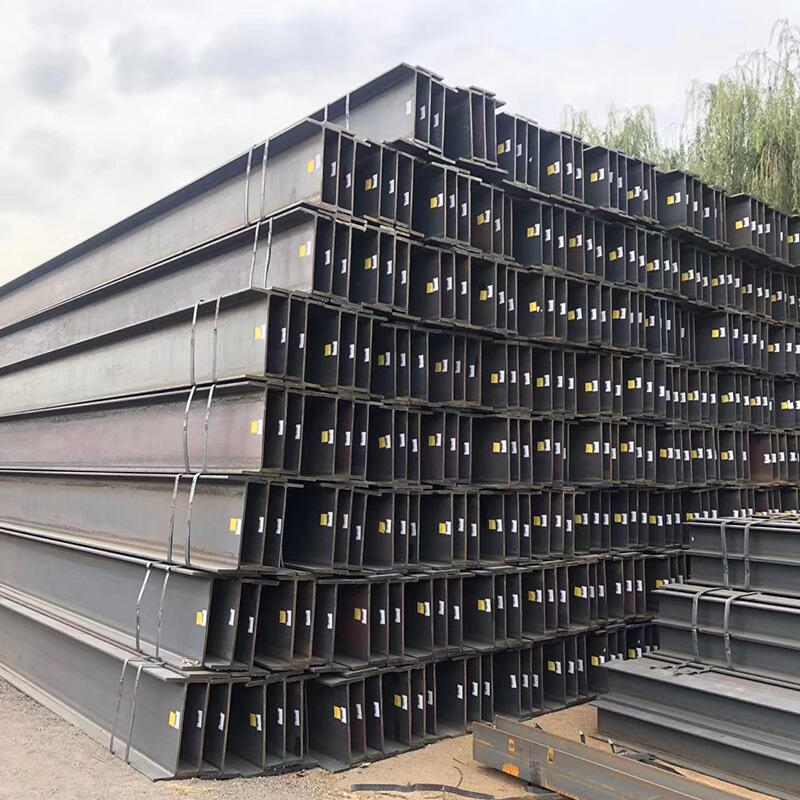
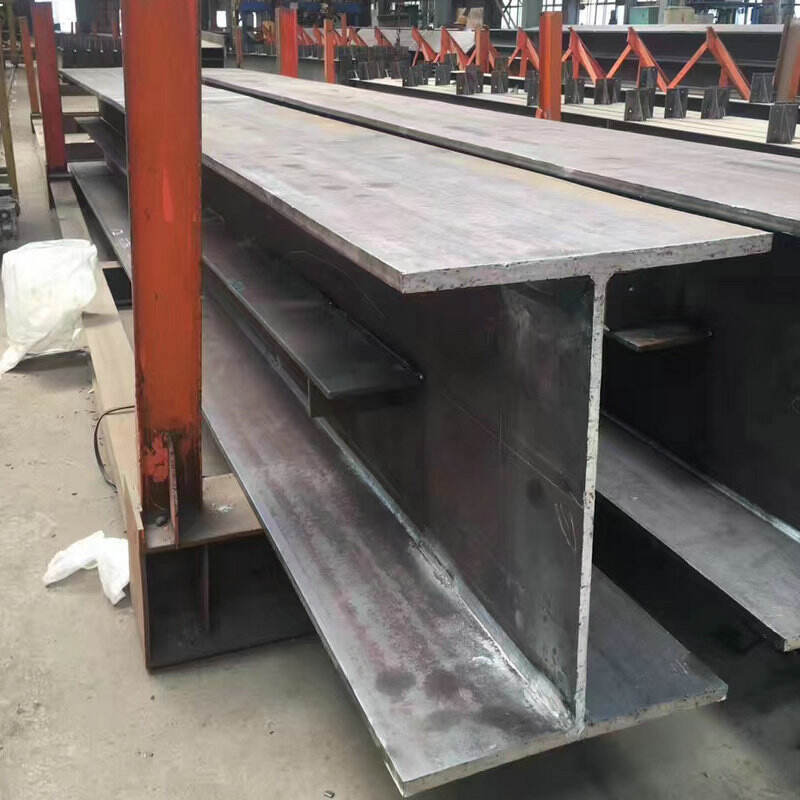
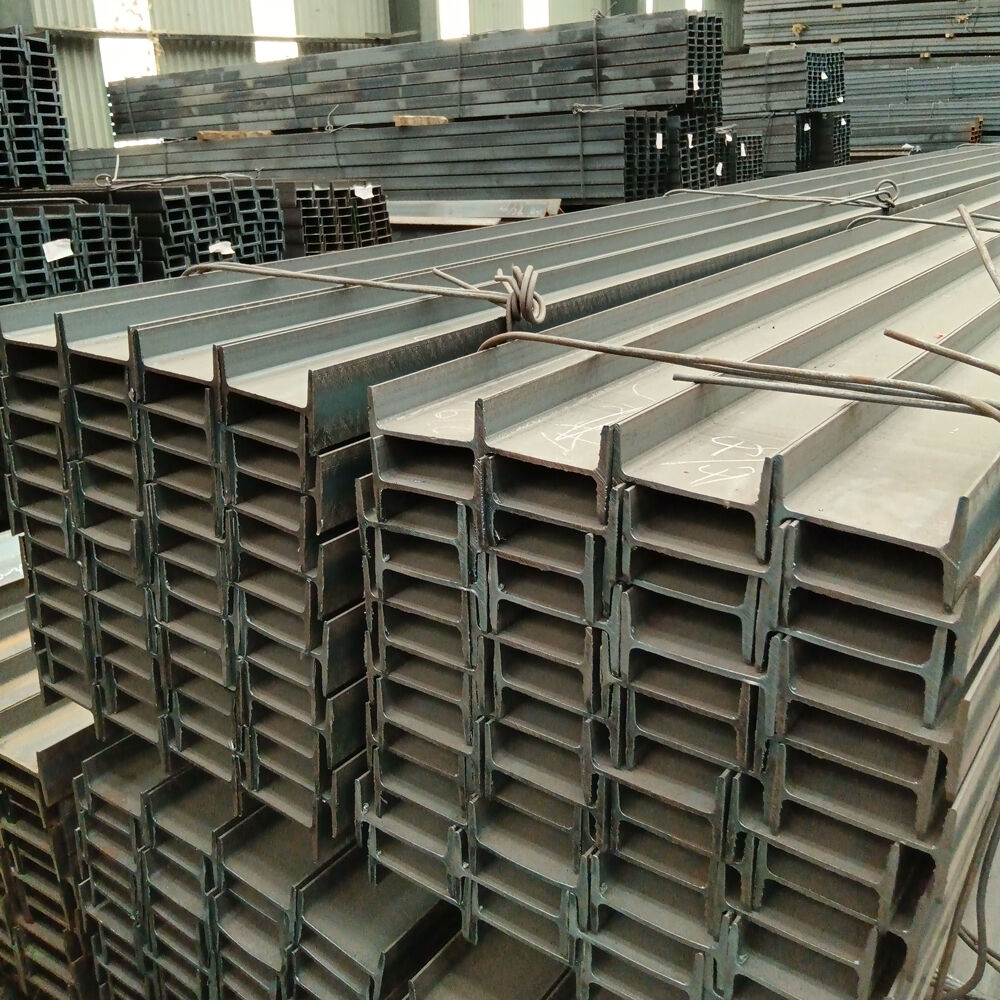
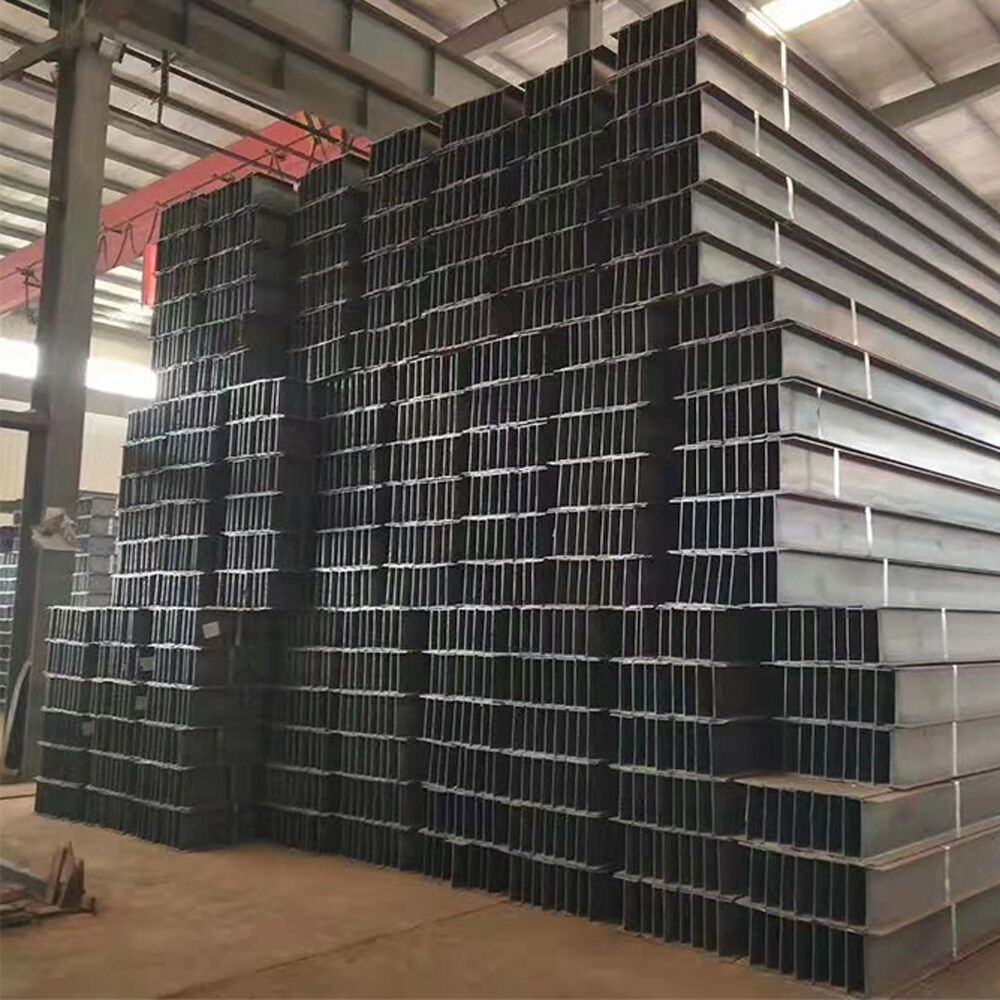
Typical specification range (example)
| Height (H) | 100 mm - 1000 mm |
| Flange width (B) | 50mm - 300mm |
| Abdominal thickness (t₁) | 5 mm - 40 mm |
| Flange thickness (t₂) | 7 mm - 60 mm |
| Fixed length | 6m, 9m, 12m or customized according to project requirements |
Main application scenarios
1. Construction Projects
In industrial and civil construction, H steel is widely used as the core load-bearing component. It serves as main beams, secondary beams, and columns in steel structure factories, providing stable support for large-span workshops and heavy equipment. In office buildings, high-rise residential buildings, and complex public structures such as stadiums and airport terminals, H steel’s high strength and light weight help optimize the structural design, increase usable space, and improve the seismic performance of buildings. For example, in large stadiums with long-span roofs, H steel trusses are used to span large distances while maintaining structural stability, creating spacious and unobstructed indoor spaces.
2. Bridge Engineering
H steel plays a crucial role in bridge construction, particularly in railway bridges, highway bridge main beams, and pedestrian overpasses. Its excellent bending resistance and torsional stiffness make it suitable for bearing the weight of vehicles, trains, and pedestrians, while its light weight simplifies bridge erection and reduces the load on piers. In medium and small-span bridges, H steel girders are often used as main load-bearing structures, offering advantages such as fast construction, low cost, and easy maintenance. Additionally, H steel’s corrosion resistance (when properly treated) ensures long-term service life in harsh outdoor environments, making it a reliable choice for bridge projects in various climates.
3. Industrial Equipment
In industrial production facilities, H steel is used in the manufacturing of platform supports, conveyor corridors, boiler steel frames, and other equipment structures. Its high load-bearing capacity and stability make it ideal for supporting heavy industrial equipment such as boilers, pressure vessels, and production lines. Conveyor corridors in factories often use H steel as the main structural frame, providing a stable path for material transportation. The convenient processing of H steel also allows for customized design and installation according to the specific layout of industrial equipment, ensuring seamless integration with the production process.
4. Energy Facilities
H steel is an essential material in energy engineering, including wind turbine tower flange supports, substation frames, and transmission towers. Wind turbine towers require high-strength structural components to withstand strong winds and the weight of the turbine nacelle, and H steel’s superior mechanical properties make it an ideal choice for tower flanges and internal supports. In substations and power transmission projects, H steel is used to construct frames for transformers, switchgear, and transmission towers, providing stable support for electrical equipment while ensuring safe operation. Its corrosion resistance and durability also make it suitable for use in harsh outdoor environments, such as coastal wind farms and high-altitude transmission lines.
5. Transportation Infrastructure
In transportation infrastructure projects, H steel is widely applied in metro stations, high-speed railway platform canopies, and port loading and unloading platforms. Metro stations require robust structural components to withstand underground environmental pressures and passenger flow, and H steel’s high strength and seismic performance ensure the safety and stability of the station structure. High-speed railway platform canopies use H steel as the main frame, creating spacious and durable shelter for passengers while resisting wind, rain, and other natural elements. Port loading and unloading platforms need to bear the weight of heavy cargo and handling equipment, and H steel’s high load-bearing capacity and wear resistance make it a reliable material for such demanding applications.
Whether in large-scale engineering projects or small-scale construction, H steel’s combination of performance, efficiency, and environmental friendliness makes it an indispensable material in modern engineering and manufacturing. Its wide range of applications and complete specifications continue to support the development of various industries, contributing to the construction of safer, more efficient, and sustainable infrastructure.