 EN
EN
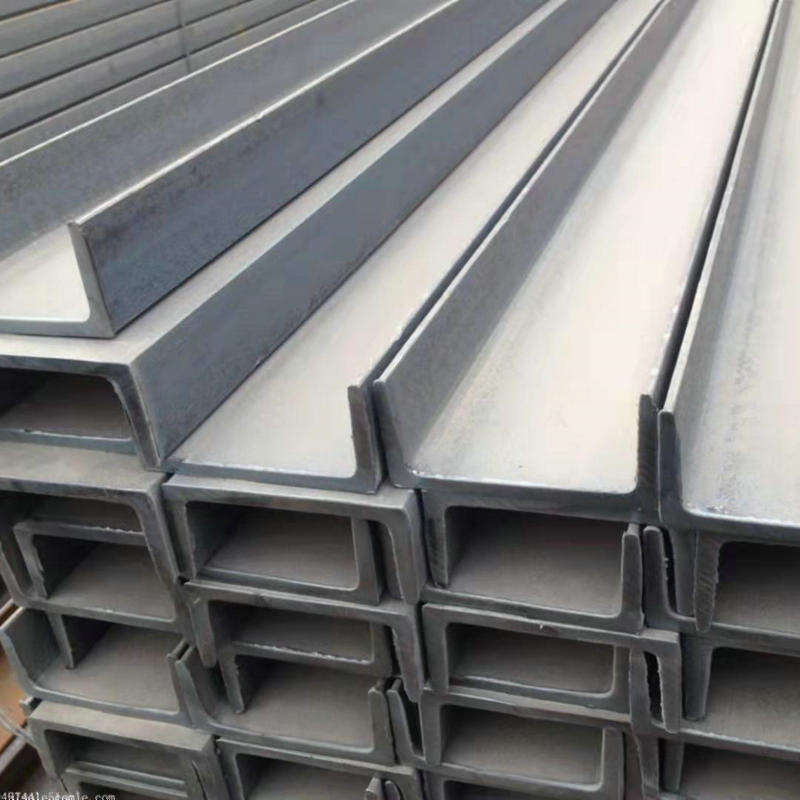
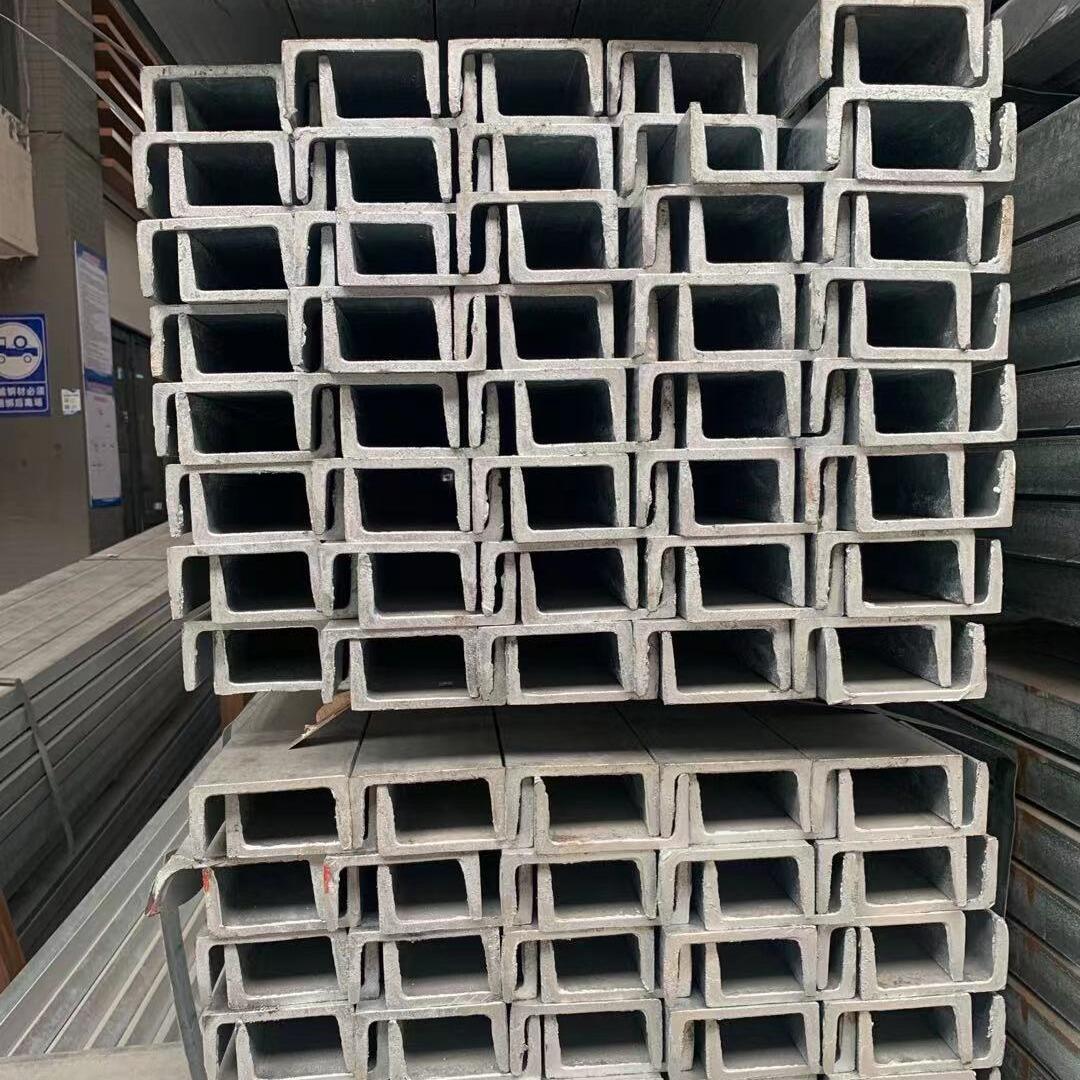
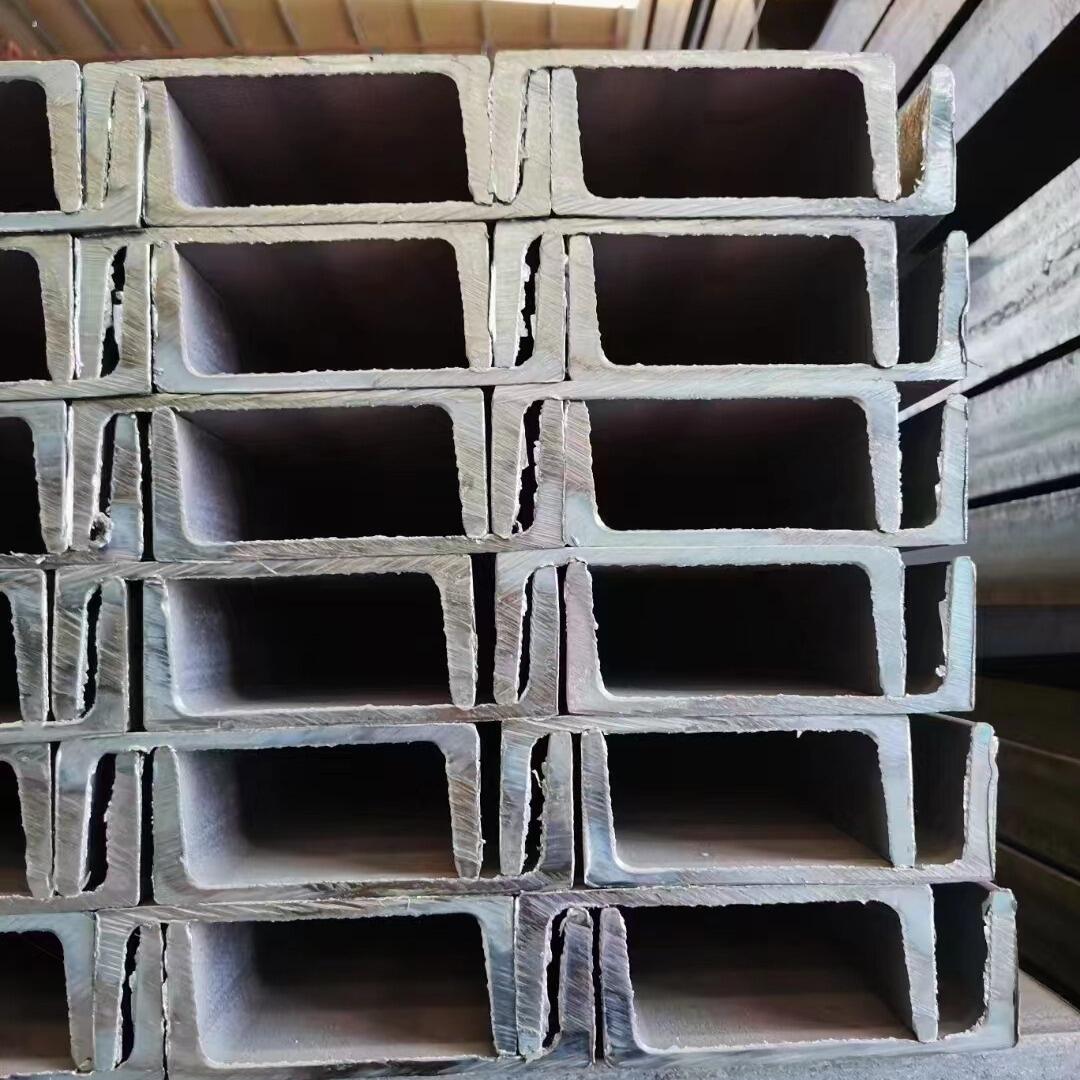
U-steel
Steelmaking: Converter/electric furnace smelting → LF refining → continuous casting into billet
Heating: The continuous casting billet is placed in a step-type heating furnace and heated to 1150-1250℃
Rolling: After rough rolling, medium rolling and finishing rolling, it is formed into channel steel
Cooling: Natural air cooling or controlled cooling (controlled rolling and controlled cooling
- Overview
- Recommended Products
Product Overview
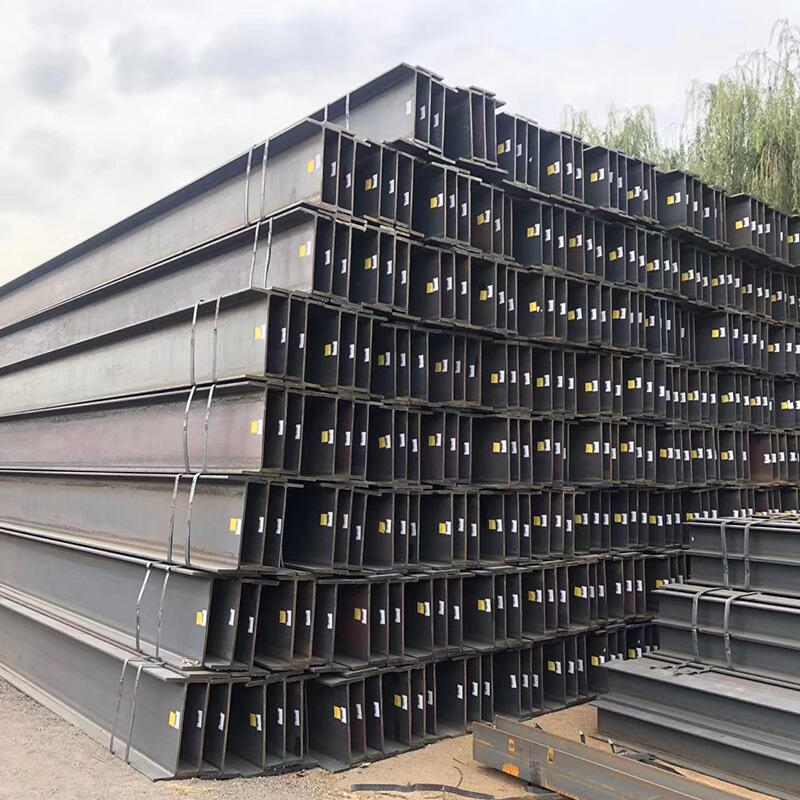
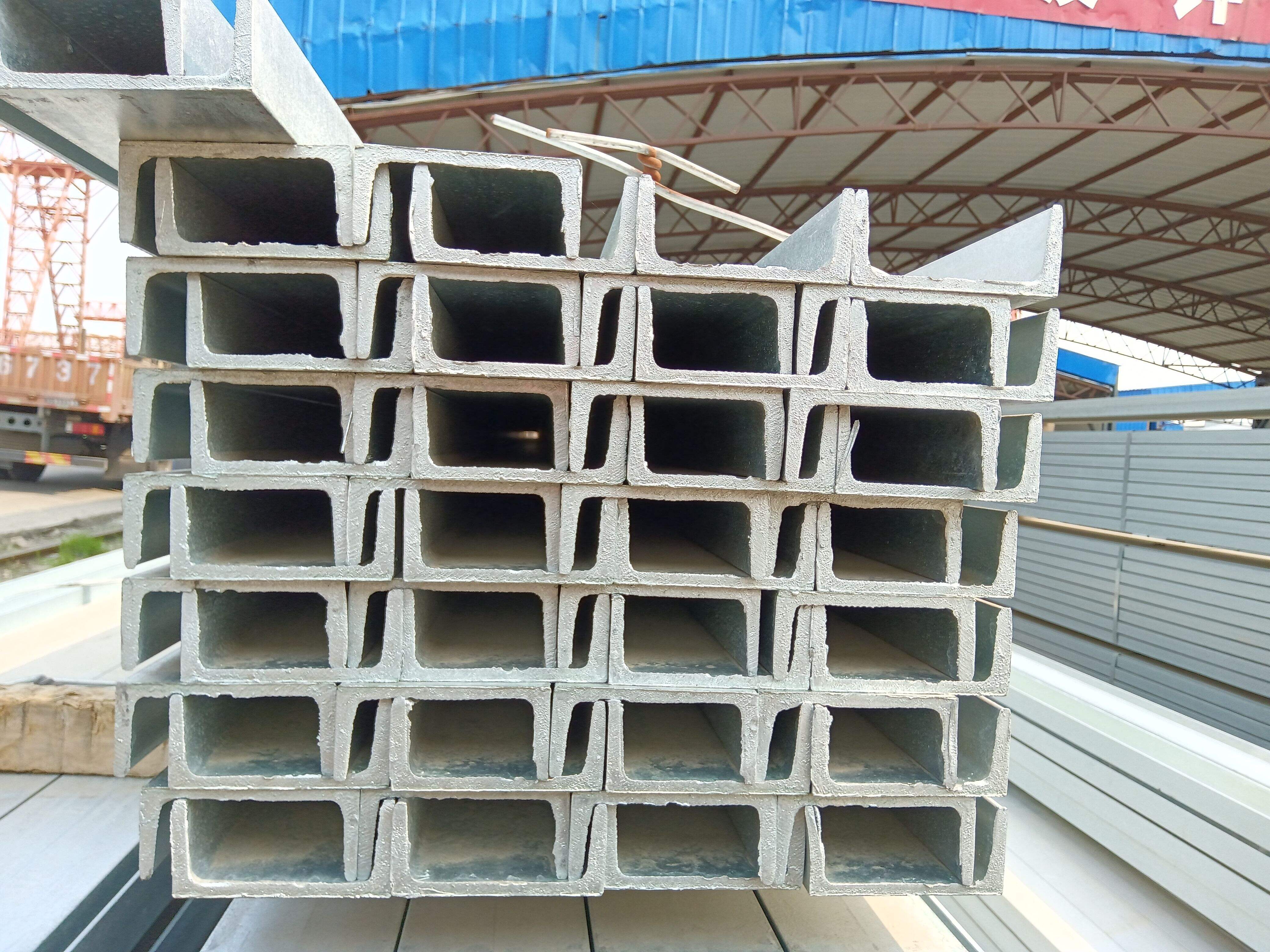
U-steel, also known as channel steel, is a versatile long strip steel featuring a distinctive "concave" cross-sectional shape, composed of one central web and two parallel flanges that extend outward symmetrically. This unique structural design endows it with exceptional bending resistance, reliable structural stability, and remarkable connection convenience—core characteristics that make it an indispensable material in numerous industrial and construction fields. Widely applied in building structures, mechanical equipment manufacturing, vehicle production, power and communication towers, as well as various support systems, U-steel plays a pivotal role in enhancing the robustness and longevity of projects. Crafted from high-quality carbon structural steel or low-alloy high-strength steel through a precise high-temperature hot rolling process, this product boasts high dimensional accuracy and superior mechanical properties, fully complying with mainstream national and international standards to ensure consistent performance in diverse working environments.
Core Advantages
Outstanding Load-Bearing Capacity: The scientifically optimized cross-sectional design of U-steel—with its thickened web and reinforced flanges—delivers exceptional bending and torsional resistance, enabling it to withstand heavy loads and complex stress conditions without deformation. Whether used as a load-bearing component in buildings or a support structure in machinery, it maintains structural integrity even under prolonged use, providing reliable safety guarantees for engineering projects.
Simplified Installation Process: The parallel arrangement of the two flanges simplifies connection operations significantly. U-steel can be easily assembled via bolt connection, welding, or riveting, adapting to different construction requirements and site conditions. This convenience not only reduces labor intensity but also shortens the construction cycle, improving overall project efficiency while ensuring firm and stable connections.
Economical and Cost-Efficient: Compared with composite components or custom-made structural parts, U-steel offers notable material and construction cost savings. Its standardized production ensures mass supply at competitive prices, and its lightweight yet durable properties reduce transportation and hoisting costs. Additionally, the simplified installation process minimizes labor and time expenses, making it a cost-effective choice for both large-scale projects and small-scale renovations.
Comprehensive Specification Range: Covering light, medium, and heavy series, U-steel provides a wide selection of specifications to meet diverse engineering needs. From small-diameter U-steel for lightweight supports to large-sized, high-strength variants for heavy-duty structures, each specification is tailored to specific load-bearing requirements and application scenarios, eliminating the need for cumbersome modifications and ensuring optimal performance.
Customizable Deep Processing Services: To cater to specialized project demands, U-steel supports a range of customized processing services, including fixed-length cutting, precision drilling, galvanizing, and spraying. Fixed-length cutting ensures the material fits exact project dimensions, while galvanizing and spraying enhance corrosion resistance, extending the service life in harsh environments such as outdoor or humid conditions. Precision drilling facilitates quick assembly, further streamlining the construction process.
Production Process Flow
1. Steelmaking: The production begins with converter or electric furnace smelting of high-quality raw materials, followed by LF (Ladle Furnace) refining to remove impurities and adjust chemical composition, ensuring the steel meets strict quality standards. The refined molten steel is then continuously cast into billets, which serve as the base material for U-steel production.
2. Heating: The continuous casting billets are transported to a step-type heating furnace, where they are uniformly heated to a temperature range of 1150-1250℃. This precise heating process ensures the billets achieve optimal plasticity, preparing them for the subsequent rolling stage while preventing internal defects caused by uneven heating.
3. Rolling: The heated billets undergo a three-stage rolling process—rough rolling, medium rolling, and finishing rolling. Each stage is controlled with precision to gradually shape the billet into the desired "concave" cross-section, with strict monitoring of dimensional accuracy and surface quality to ensure consistency across all products.
4. Cooling: After rolling, the U-steel is cooled through natural air cooling or controlled cooling (controlled rolling and controlled cooling technology). This step is crucial for optimizing the material's mechanical properties, such as strength and toughness, while preventing thermal deformation and ensuring structural stability.
5. Straightening & Sizing: The cooled U-steel is passed through nine-roll or eleven-roll straightening machines to eliminate residual bending and achieve a flat, straight profile. Flying shears are then used for precise sizing, cutting the long strips into specified lengths according to customer requirements or standard specifications.
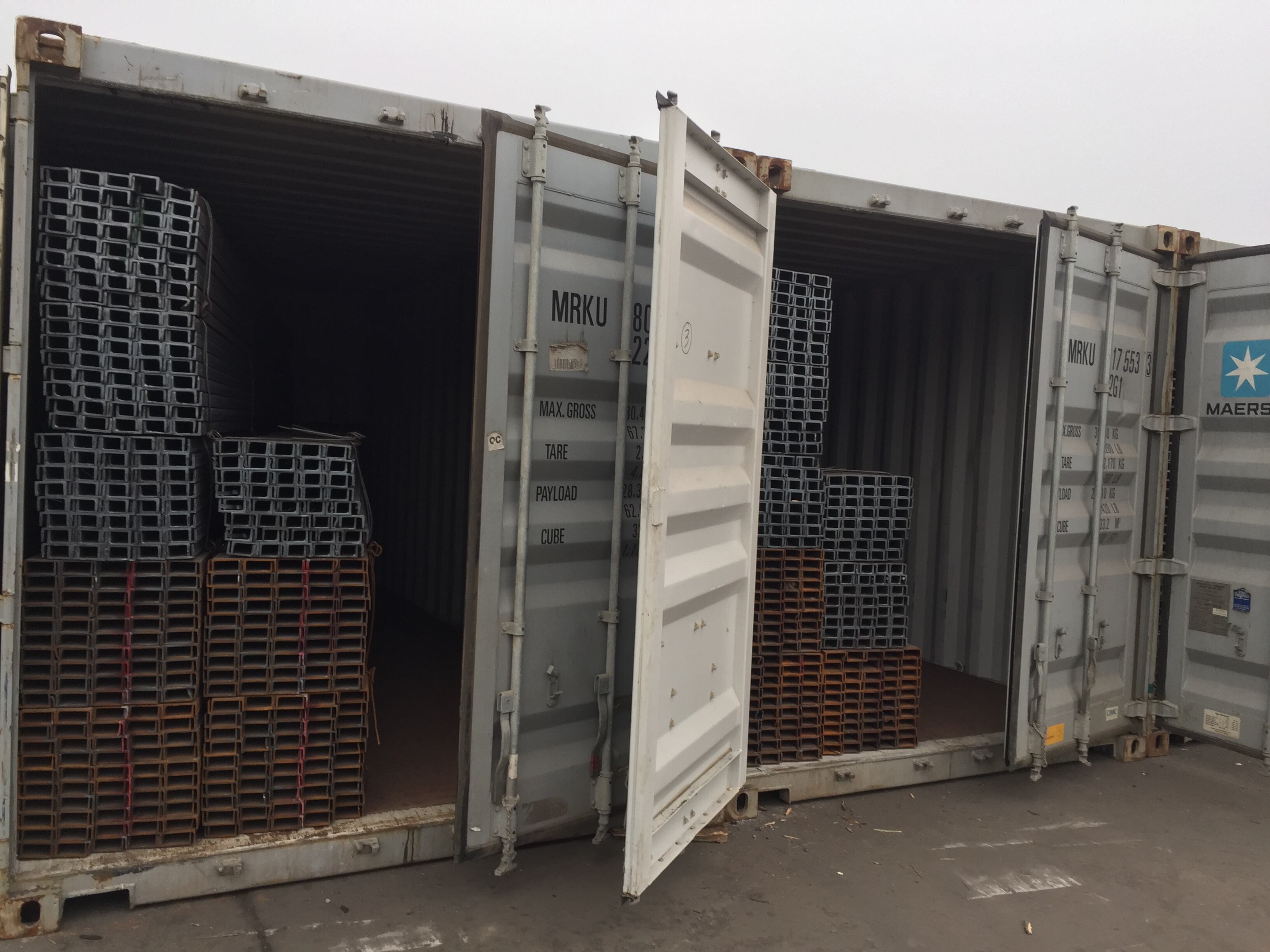
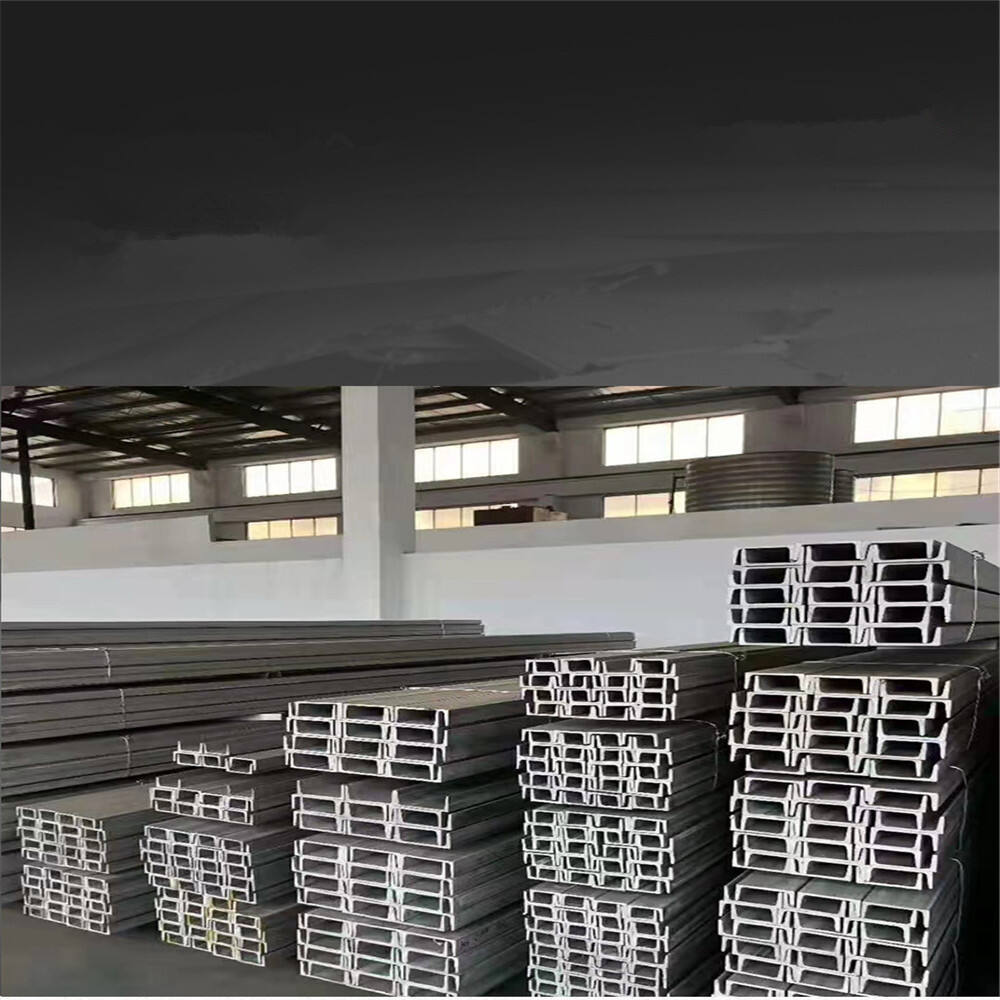
6. Inspection & Packaging: Before leaving the factory, each batch of U-steel undergoes rigorous inspections, including dimensional measurement, surface quality checks, and mechanical property testing, to ensure compliance with standards. Qualified products are bundled securely, labeled with key information such as specification, batch number, and material grade, and then warehoused in an orderly manner to await shipment.
Main Application Scenarios
Building Structures: U-steel is widely used as purlins, stair beams, and door/window lintels in industrial and civil buildings, providing stable support for roofs, walls, and floors. It also serves as crossbars for scaffolding and main beams for operation platforms, ensuring safety and reliability during construction and daily use.
Power & Communication Engineering: In power and communication transmission towers, U-steel functions as crossarms and substation supports, withstanding wind loads and harsh weather conditions. It is also used as cable tray arms and communication base station skeletons, ensuring the stable operation of power supply and communication networks.
Vehicle Manufacturing: Applied in the side beams of transportation truck bodies, reinforcing ribs of trailer underframes, side columns of railway freight cars, and supports of track fasteners, U-steel enhances the structural strength and load-bearing capacity of vehicles, ensuring safe transportation.
Mechanical Equipment: Serving as machine tool bases, conveyor line supports, crane guide rails, and frames for agricultural machinery, U-steel provides a stable foundation for mechanical operation, reducing vibration and ensuring precision and efficiency.
Municipal & Public Facilities: Used in horizontal arms of street lamp poles, traffic sign supports, advertising board columns, and guardrail systems, U-steel combines durability with aesthetic appeal, adapting to the diverse needs of urban infrastructure construction.
Energy Engineering: In wind power towers, U-steel is utilized for internal platforms; in photovoltaic support systems, it acts as crossbeams; and in hydropower stations, it serves as maintenance passages—supporting the development of clean energy projects with its reliable performance.