 EN
EN
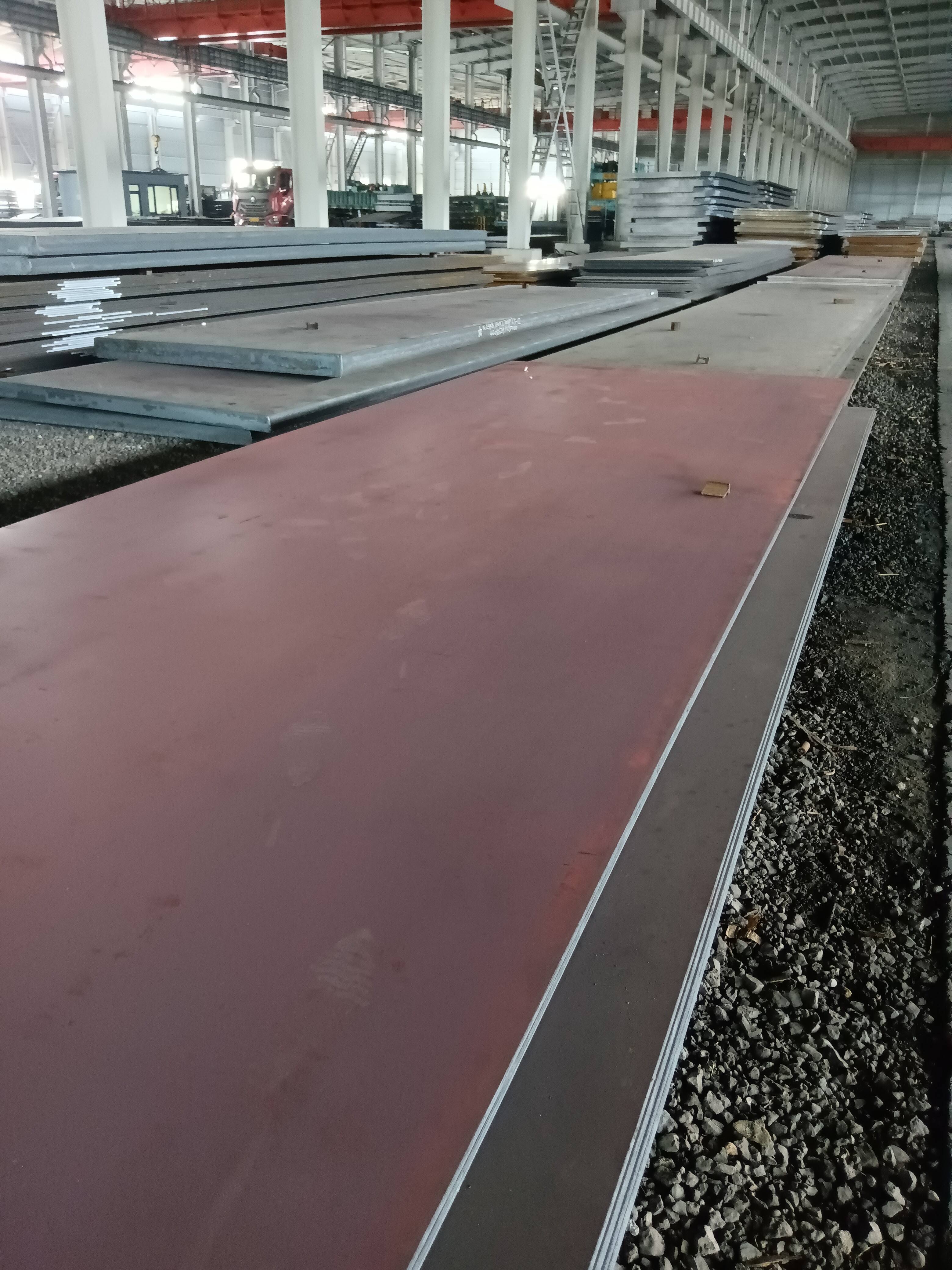
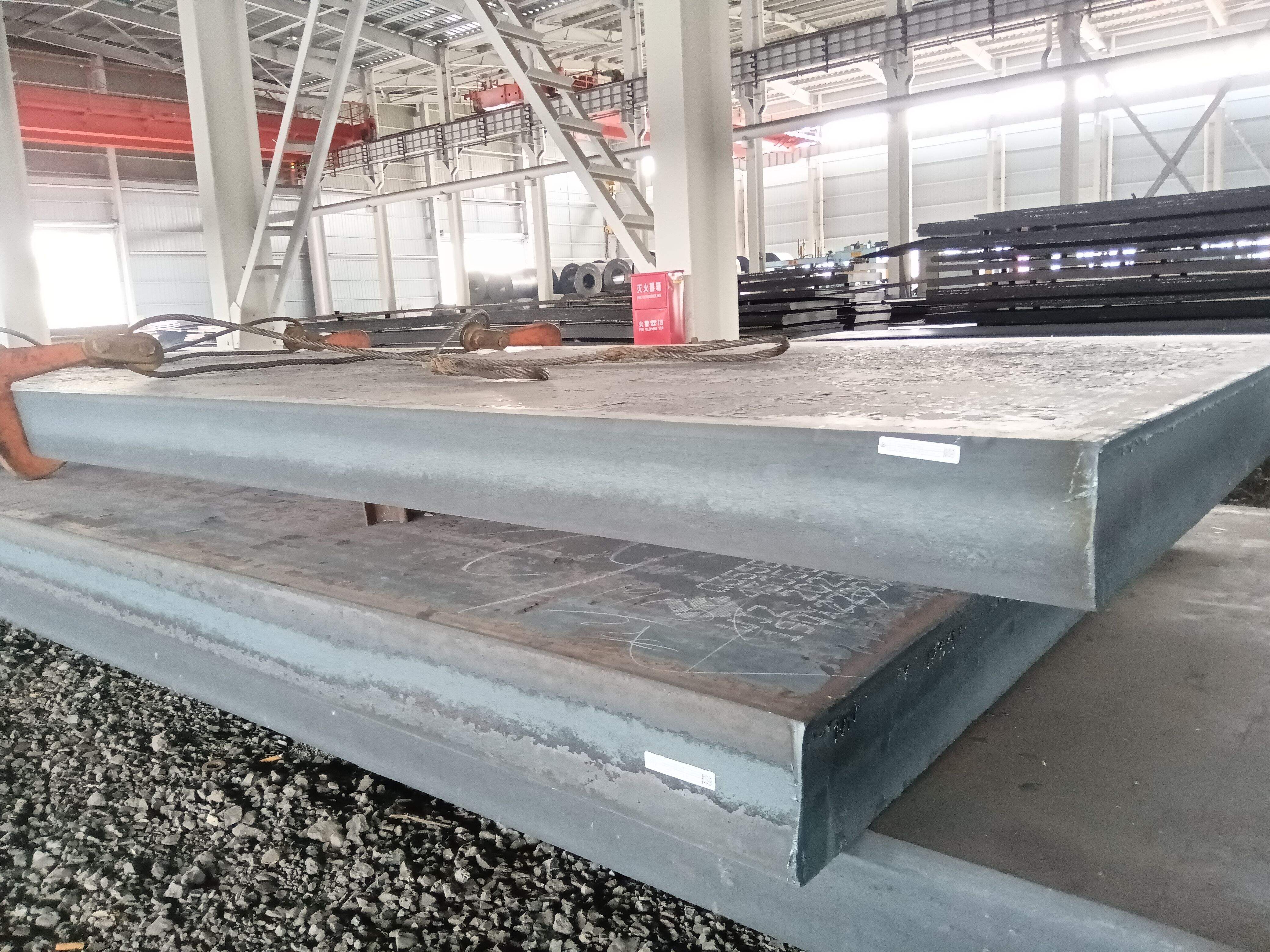
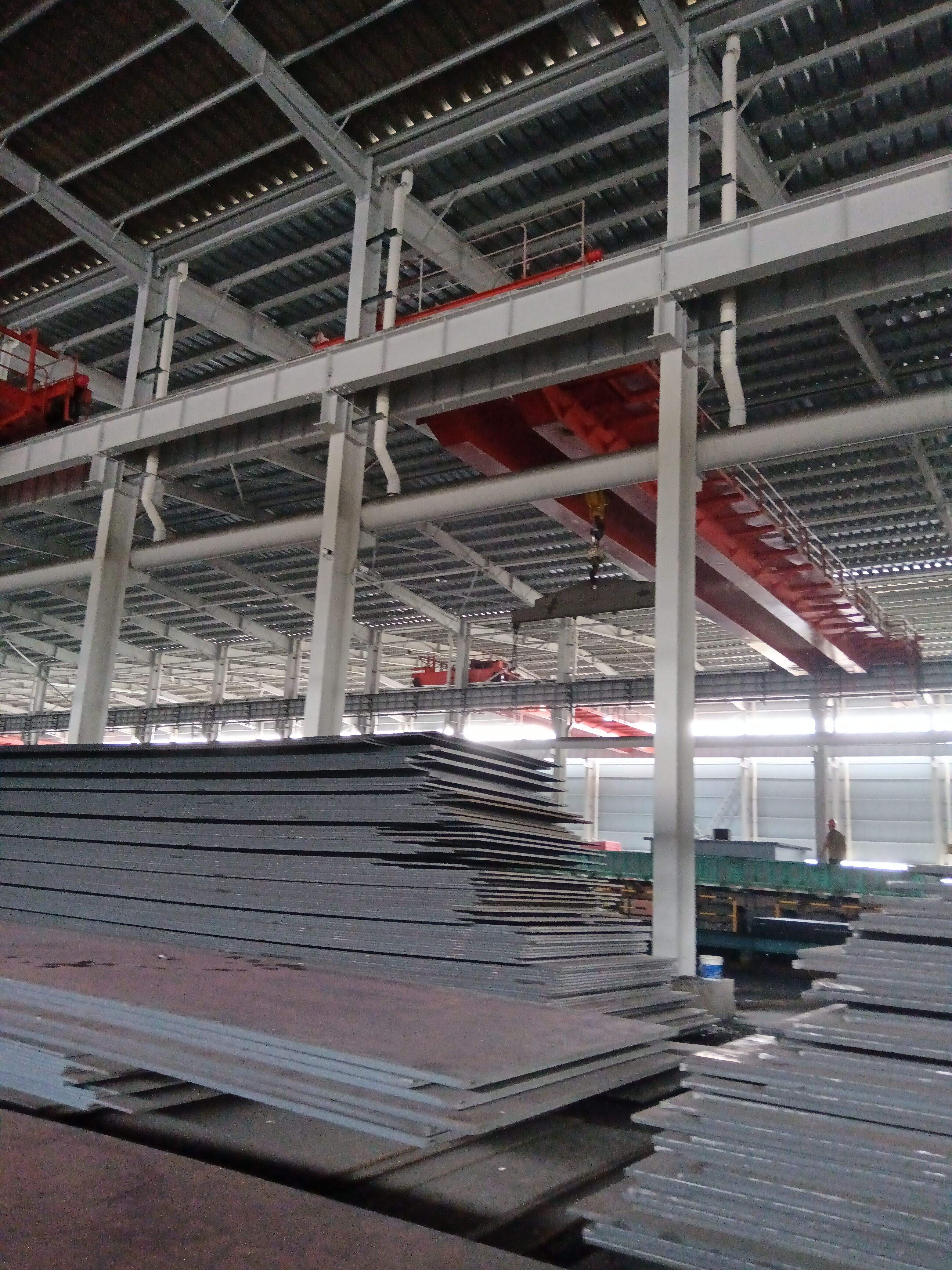
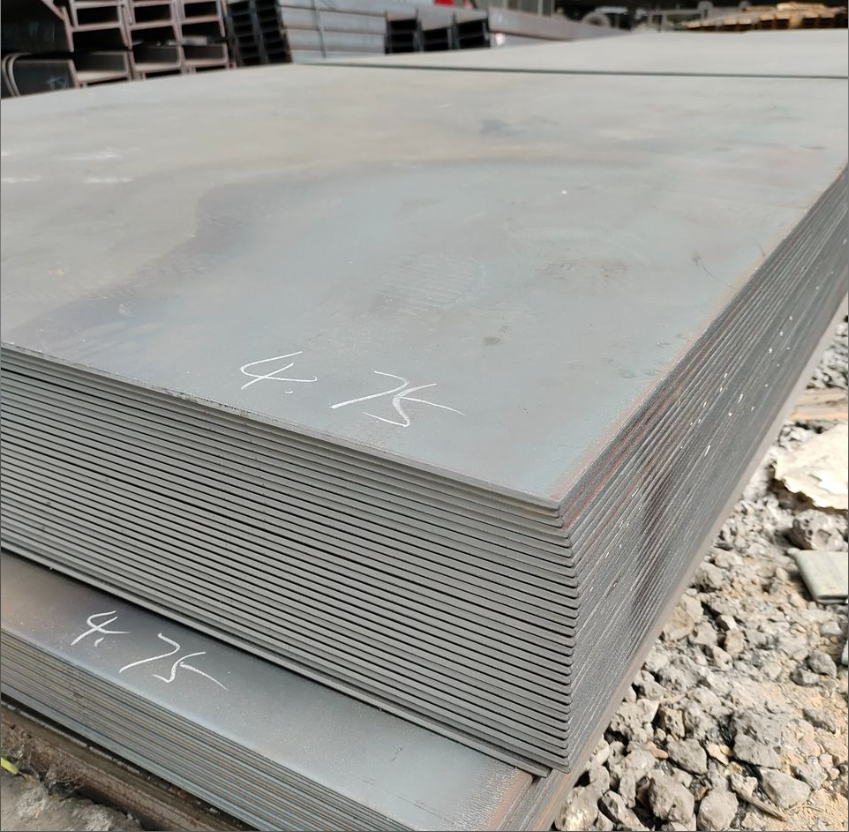
Carbon steel plate
Carbon structural steel: Q235B, Q355B, SS400, A36, etc
Low alloy high strength steel: Q355D, Q460C, S355JR, etc
Stainless steel: 304, 316L, 430, etc
Weathering steel: SPA-H, Q415NH, etc
- Overview
- Recommended Products
Product Overview
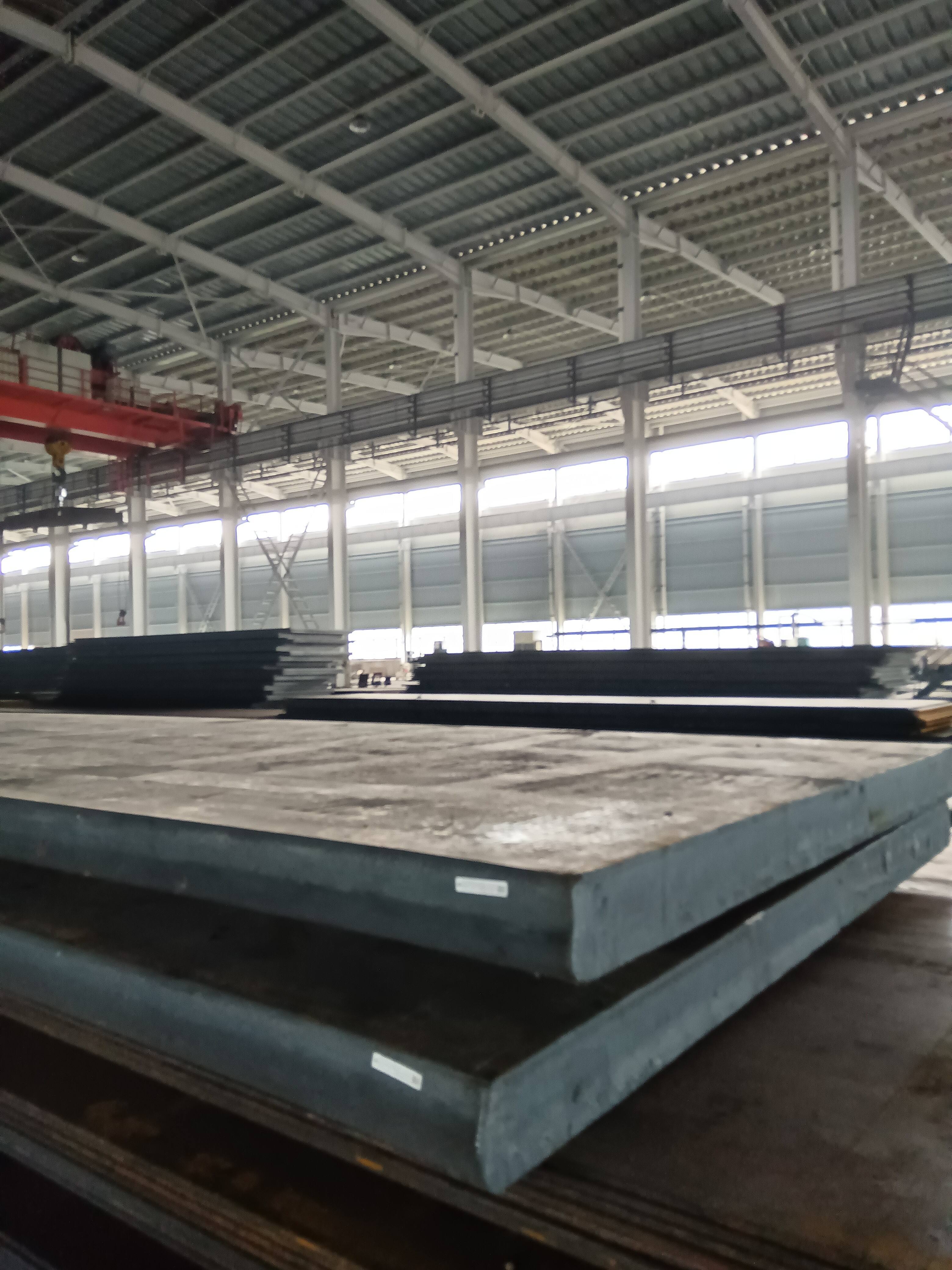
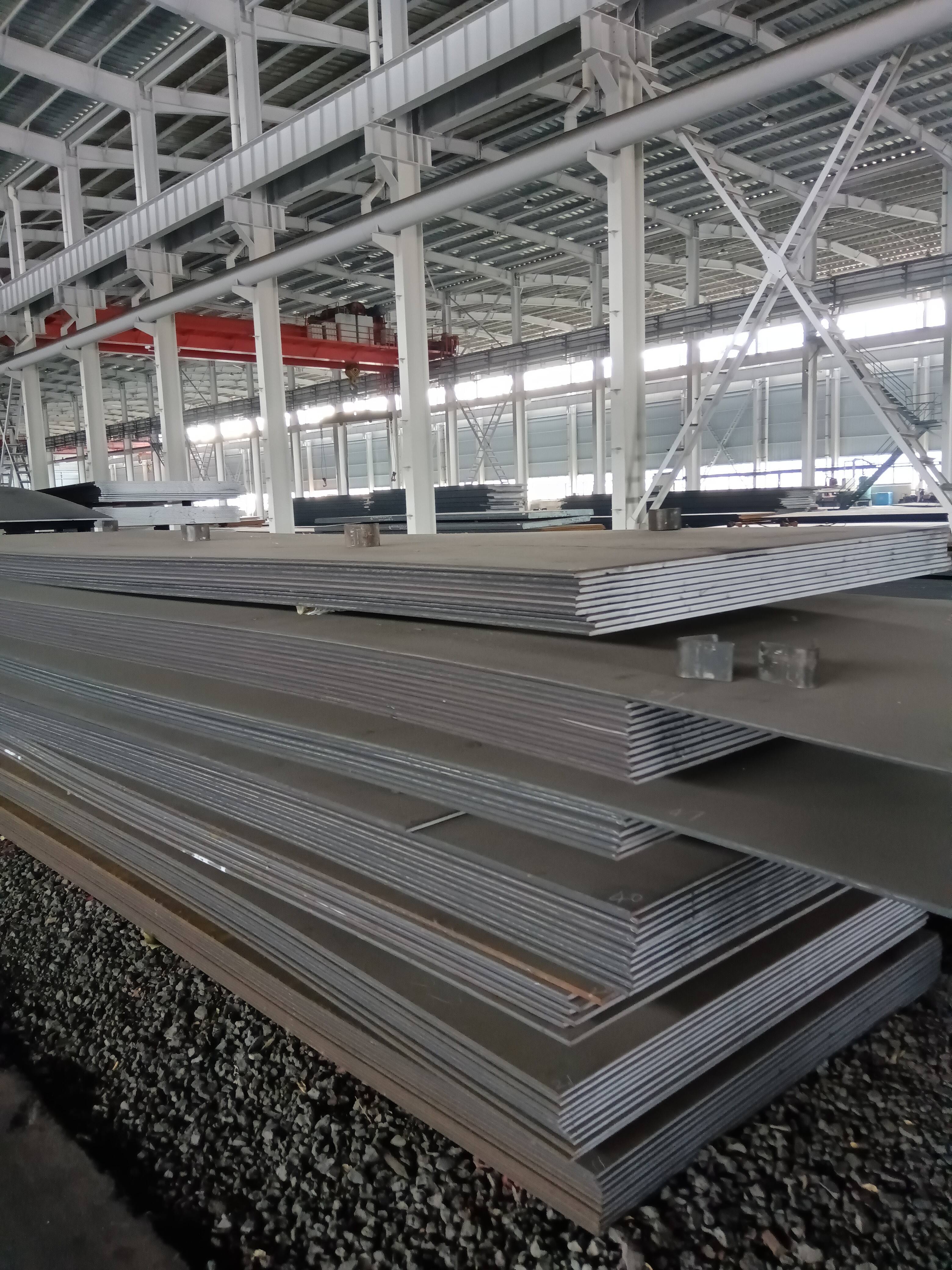
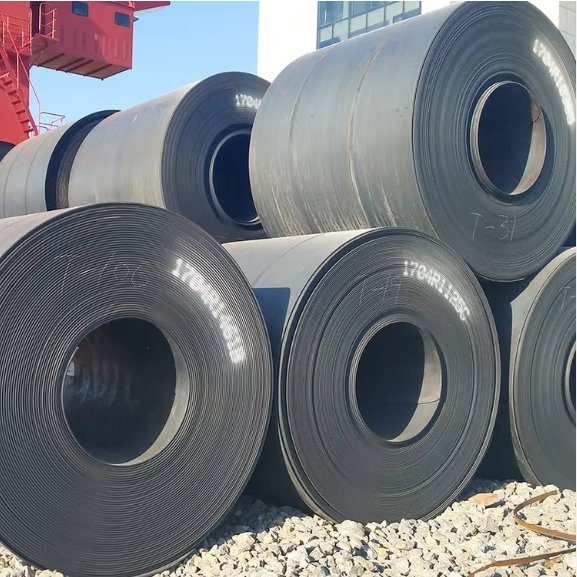
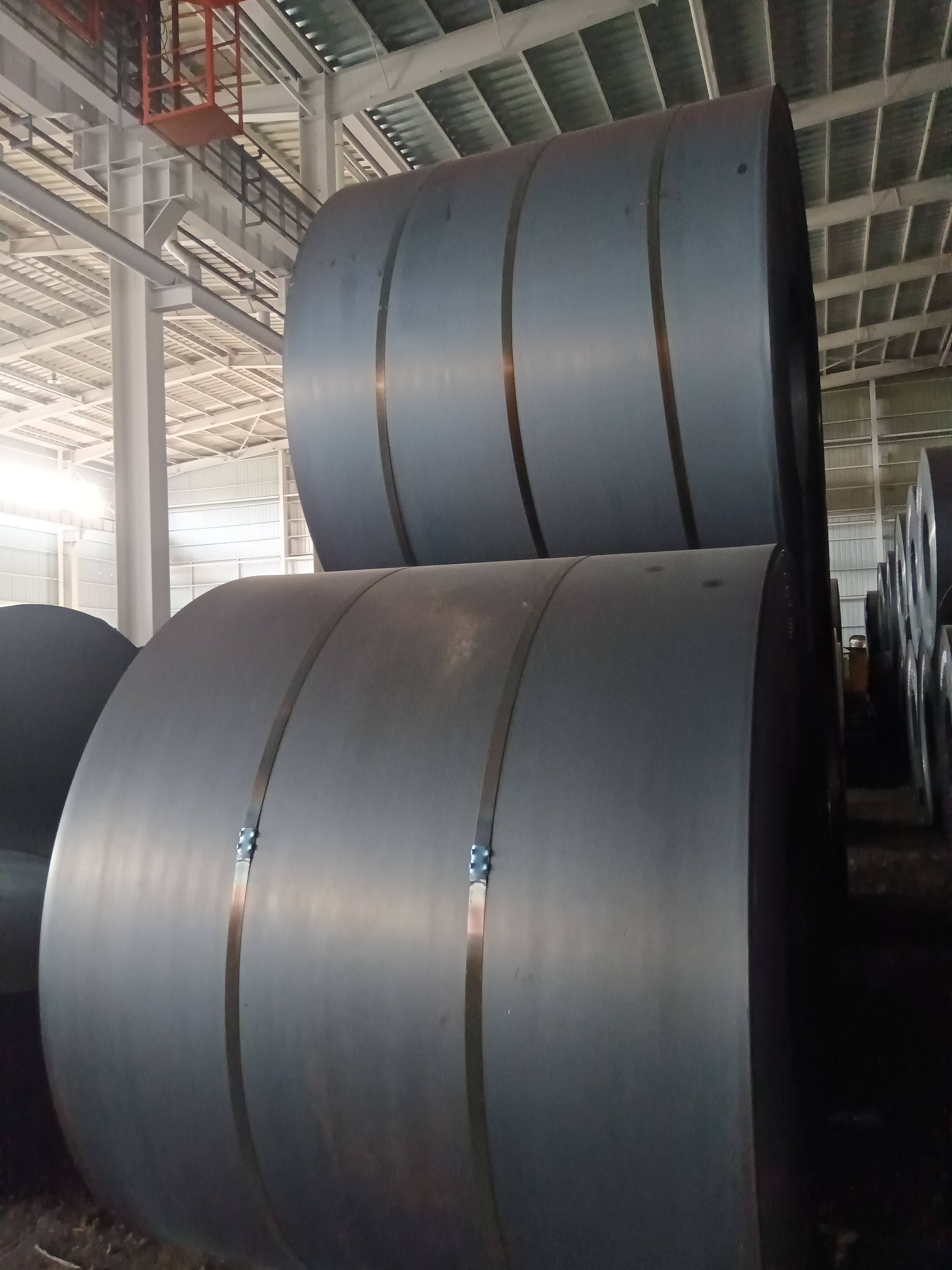
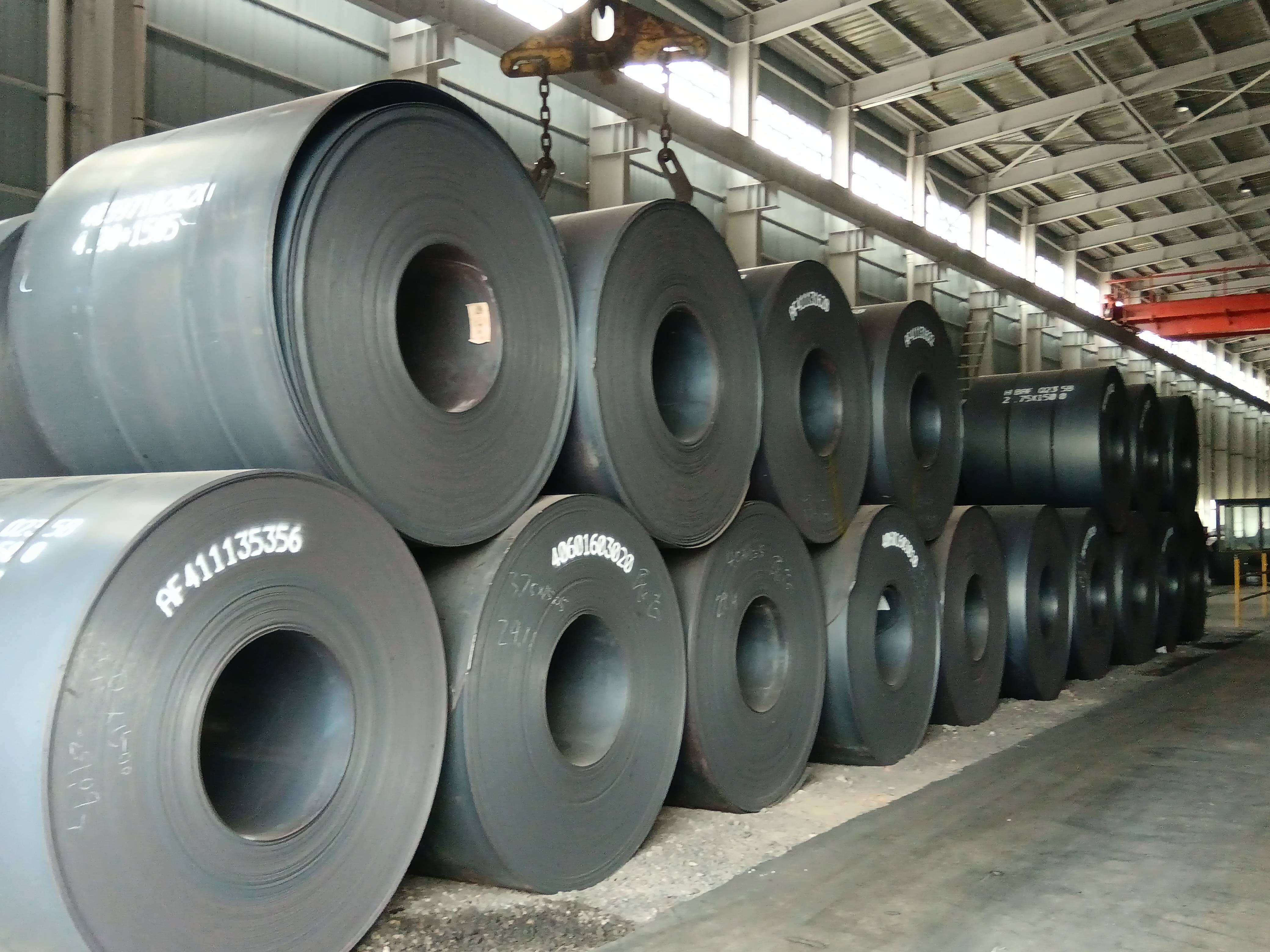
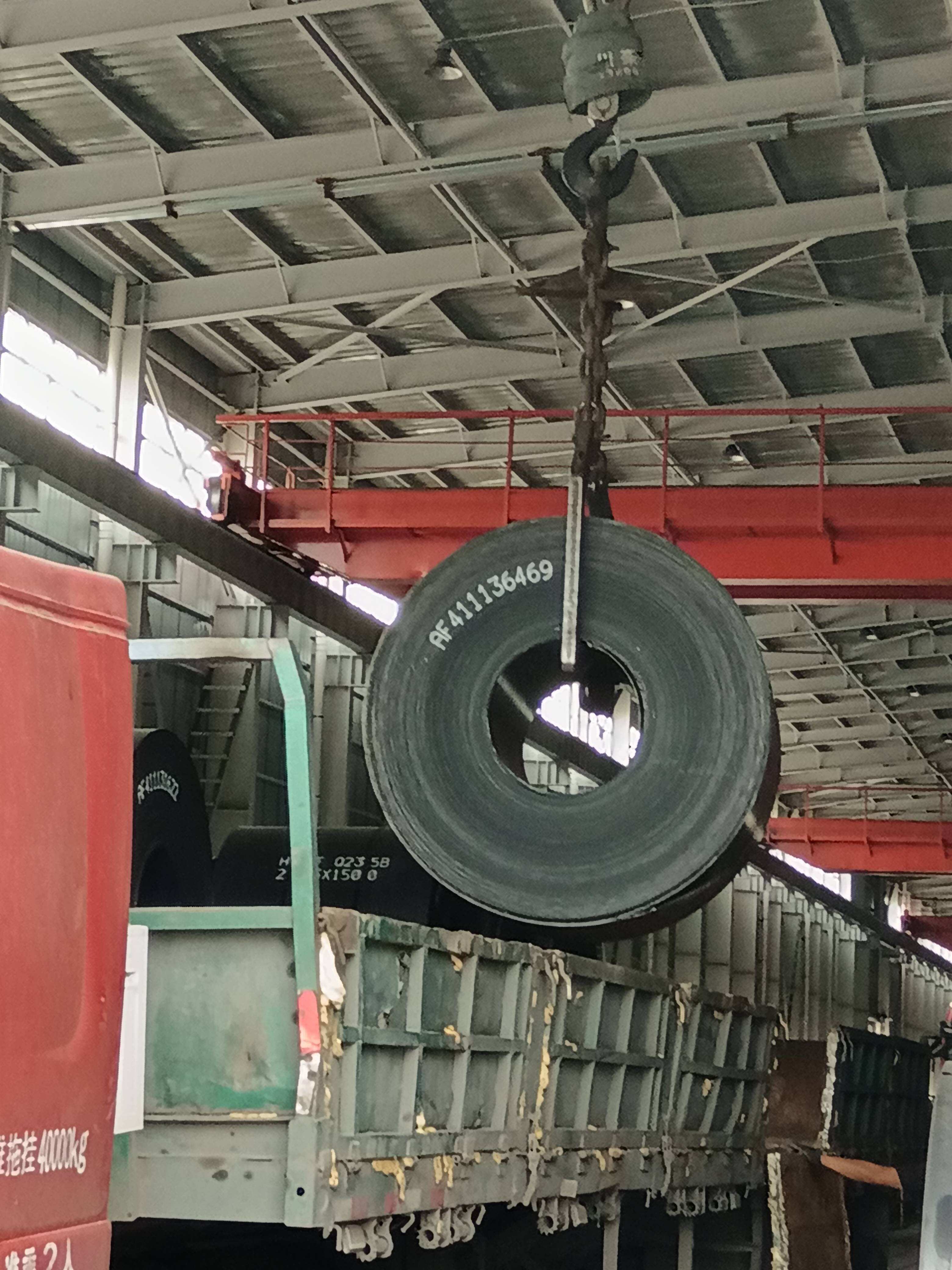
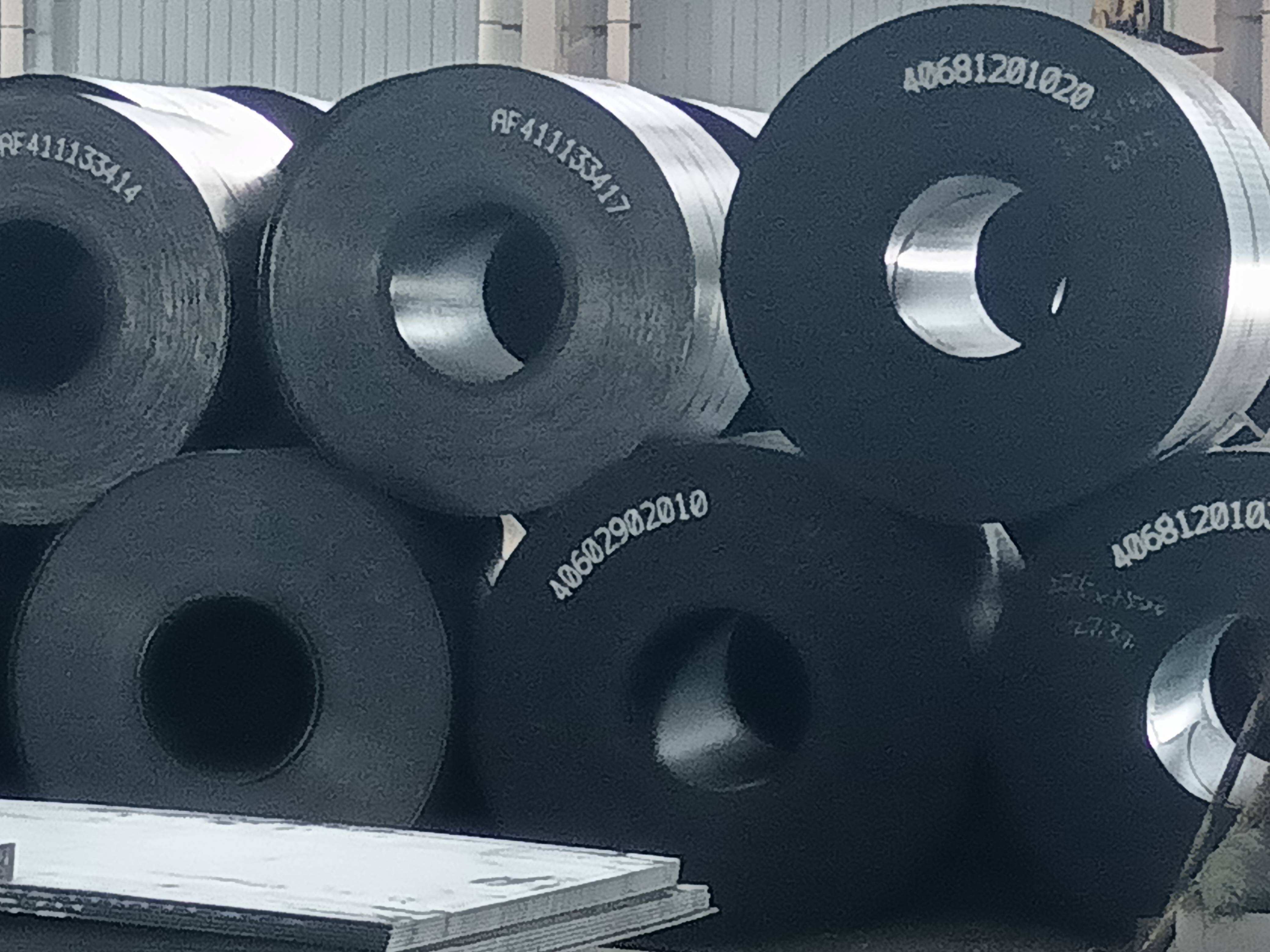
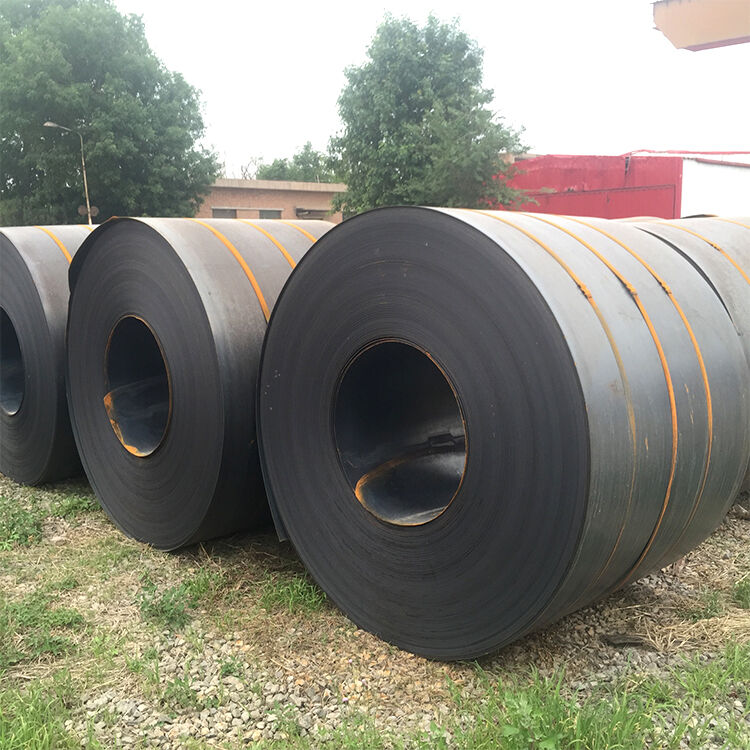
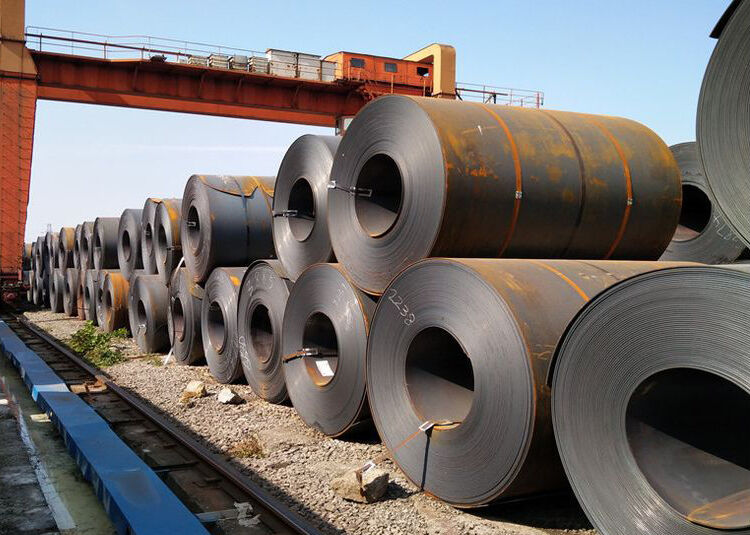
Carbon steel plate is a high-performance and versatile metal material crafted from high-quality steel billets through advanced hot-rolling or cold-rolling processes, delivering exceptional mechanical properties, reliable welding performance, and excellent formability. As a foundational material in modern industry, it plays an irreplaceable role in numerous sectors due to its balanced combination of strength, durability, and cost-effectiveness. The production process adheres to strict quality control standards: hot-rolled carbon steel plates are formed at high temperatures, resulting in good toughness and adaptability for heavy-duty applications, while cold-rolled carbon steel plates undergo precision cold working after hot rolling, achieving higher dimensional accuracy and a smooth, flat surface. Widely utilized in construction, bridges, ships, pressure vessels, mechanical manufacturing, automotive industry, energy equipment, and infrastructure projects, carbon steel plates cater to both large-scale engineering needs and small-batch precision component production. It strictly complies with national standards (such as China’s GB/T 3274 for hot-rolled plates and GB/T 709 for dimension standards), international standards (including ASTM in the US, EN in Europe, and JIS in Japan), and industry-specific norms, ensuring consistent quality across global markets.
Main Features
Excellent Mechanical Properties: Carbon steel plates boast high tensile strength, good toughness, and superior impact resistance, enabling them to withstand heavy loads, dynamic stresses, and harsh working environments. For example, high-strength carbon steel plates can endure the repeated stress of construction machinery operations, while low-carbon steel plates offer exceptional ductility for complex forming processes. This balance of properties makes them suitable for both load-bearing structural components and precision parts requiring deformation.
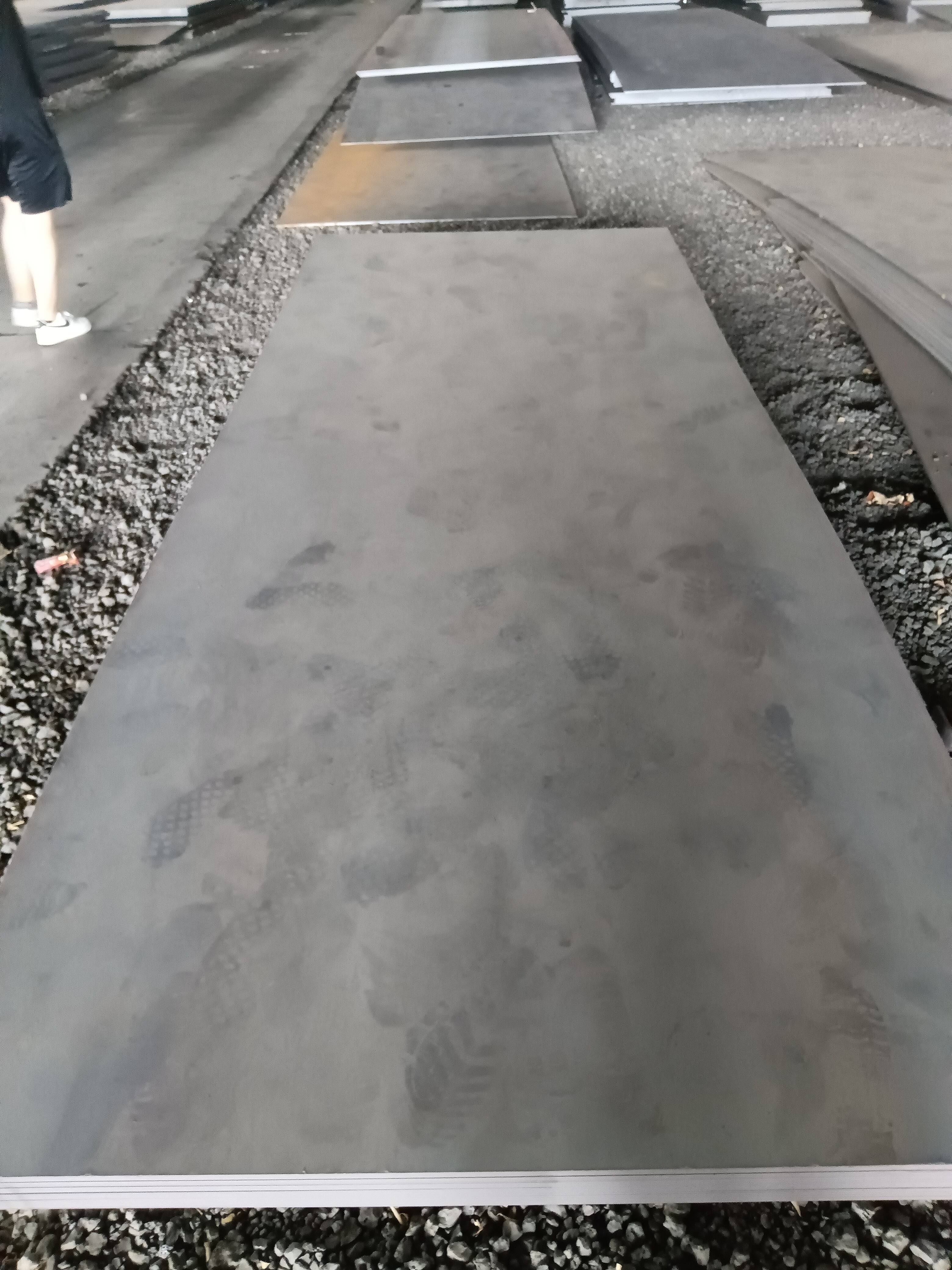
Precise Dimensional Control and Surface Quality: The advanced rolling process ensures precise dimensional accuracy, with thickness tolerances controlled within strict ranges to meet different application requirements. Cold-rolled carbon steel plates feature a smooth, flat, and blemish-free surface, eliminating the need for additional polishing in applications like automotive body panels or decorative components. Hot-rolled carbon steel plates typically have a thin oxide scale surface, which provides natural corrosion resistance during storage and can be easily removed via pickling or grinding for subsequent processing.
High Customization Flexibility: To adapt to diverse project needs, carbon steel plates offer extensive customization options for thickness, width, and length. Thickness can be tailored from thin sheets for precision parts to extra-thick plates for pressure vessels, while width and length can be adjusted according to customer specifications—avoiding material waste and reducing on-site cutting workload. This flexibility makes it suitable for both standardized mass production and custom-engineered projects.
Compliance with Global Standards: Carbon steel plates strictly adhere to a comprehensive set of standards to ensure performance and safety. National standards like China’s GB/T 3274 and GB/T 709 regulate material composition and dimensions, while international standards such as ASTM A36 (US), EN 10025 (Europe), and JIS G 3101 (Japan) ensure compatibility with global supply chains. For specialized applications, they also meet industry-specific norms—such as pressure vessel standards GB 150 (China) and ASME BPVC (US)—guaranteeing reliability in critical scenarios.
Common Materials
Carbon steel plates are available in a diverse range of material grades to match specific performance requirements:
Carbon Structural Steel: The most widely used category, including Q235B (China), Q355B (China), SS400 (Japan), and A36 (US). These grades offer balanced strength and ductility, suitable for general structural applications like building frames and machinery bases.
Low Alloy High Strength Steel: Featuring enhanced strength through alloy additions, grades such as Q355D (China), Q460C (China), and S355JR (Europe) are ideal for heavy-duty applications like bridge main beams and wind power towers, where high load-bearing capacity is required.
Stainless Steel: Though technically a subset of alloy steel, grades like 304, 316L, and 430 are often grouped with carbon steel plates for their corrosion resistance, used in chemical equipment, food processing machinery, and decorative applications.
Weathering Steel: Designed for outdoor use, grades such as SPA-H (Japan) and Q415NH (China) form a protective rust layer that prevents further corrosion, making them suitable for bridges, containers, and outdoor structures with minimal maintenance.
Specification Range (Example)
Carbon steel plates cover a broad spectrum of specifications to meet diverse application needs:
Thickness: 1.5mm to 100mm—thin plates (1.5-10mm) for automotive parts and decorative components, medium plates (10-50mm) for machinery frames and building structures, and thick plates (50-100mm) for pressure vessels and wind power towers.
Width: 1000mm to 3000mm—standard widths for mass production and wide plates for large structural components like bridge decks, reducing joint and enhancing structural integrity.
Length: 2000mm to 12000mm (or custom lengths)—long plates for continuous structures like ship hulls and custom-cut lengths for specialized equipment to optimize material utilization.
Application Scenarios
1. Architecture and Structural Engineering
In construction, carbon steel plates are core materials for high-rise building steel structures, used as beams, columns, and supports—with Q235B and Q355B being the most common grades for their balanced strength and cost. Factory buildings and warehouses utilize them for steel frames, roof purlins, and wall panels, ensuring structural stability and rapid construction. Bridge construction relies on carbon steel plates for decks, main beams, and connecting components, which must meet strict fatigue and seismic requirements to withstand long-term traffic loads. Scaffolding and temporary structures also use carbon steel plates for their low cost, easy processability, and reusability, reducing construction costs.
2. Machinery and Equipment Manufacturing
The machinery industry depends on carbon steel plates for critical components: construction machinery (excavators, cranes, bulldozers) use them for chassis, booms, and casings—requiring high-strength grades to withstand heavy loads. Agricultural machinery (tractors, harvesters) utilize carbon steel plates for structural components and wear-resistant parts, adapted to harsh farm environments. General equipment like pumps, compressors, and conveyors use them for frames, bases, protective covers, and transmission components, leveraging their formability for complex shapes.
3. Pressure Vessels and Storage Equipment
Carbon steel plates are essential for pressure vessels and storage equipment, with strict material selection based on pressure and medium. Storage tanks for water, oil, and chemicals use corrosion-resistant or high-strength grades, complying with GB 150 or ASME standards. Medium and low-pressure boiler shells use specialized grades like 20R and Q245R, ensuring safety under high temperatures and pressure. They also manufacture pipes and flanges for connecting and supporting these systems, ensuring leak-proof and reliable operation.
4. Transportation
The transportation sector extensively uses carbon steel plates: railway vehicles use them for carriage floors, side walls, and frames—balancing strength and weight. Commercial vehicles (trucks, dump trucks) use high-strength grades like 510L and 610L for frames, cargo box floors, and bodies, enhancing load capacity while reducing vehicle weight. Shipbuilding relies on marine carbon steel (grades A, B, D) for hulls, decks, and bulkheads, withstanding saltwater corrosion and harsh marine conditions.
5. Energy and Power Industry
Energy projects demand high-performance carbon steel plates: wind power towers use thick Q355 series plates to withstand wind loads and environmental stress. Transmission towers combine angle steel and carbon steel plates for stable support of power lines. Thermal and hydropower stations use them for supports, platforms, and auxiliary equipment foundations, ensuring reliability under continuous operation.
6. Infrastructure and Public Facilities
Municipal engineering uses carbon steel plates for manhole covers, guardrails, and isolation belts—prioritizing durability and anti-theft properties. Water conservancy projects utilize them for gates, trash racks, and pumping station structures, withstanding water pressure and corrosion. Container manufacturing uses SPA-H weathering steel or ordinary carbon steel for side panels, top panels, and bottom beams of standard dry cargo containers, ensuring durability during global transportation.