 EN
EN
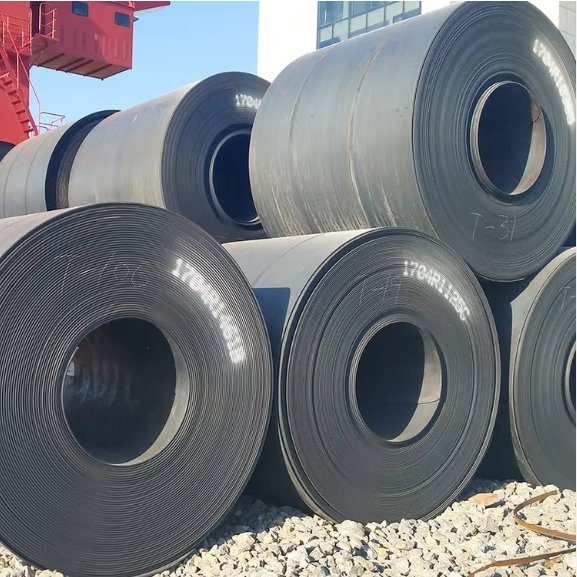
Carbon steel roll
Thickness range: 1.2mm - 25.0mm
Width range: 600mm - 2000mm
Inner diameter: Φ 508mm / Φ 610mm (standard)
Applications: Steel structures, construction machinery, raw materials for welded pipes, uncoiling materials for medium and heavy plates, etc
- Overview
- Recommended Products
Product Overview
Carbon steel coil represents a fundamental and versatile category of industrial raw materials, manufactured through a sophisticated and tightly controlled metallurgical process. It begins with the conversion of high-quality molten iron in a converter, where precise smelting refines the chemical composition. This is followed by continuous casting to form slabs or billets, which are then processed using advanced hot orrolling or cold rolling technologies. The resultant product boasts exceptional mechanical properties, including high strength and good ductility, alongside precise dimensional tolerances and superior surface quality. Its application spectrum is remarkably broad, spanning critical sectors such as mechanical manufacturing, building and structural engineering, automotive components, pipeline systems, household appliances, and a wide array of hardware products. Adherence to stringent quality standards is paramount; our coils conform to Chinese National Standards (GB/T), major international benchmarks including ASTM (American Society for Testing and Materials), EN (European Norms), and JIS (Japanese Industrial Standards), as well as prevailing industry specifications. Furthermore, we recognize the unique needs of different projects and offer extensive customization options for dimensions, weight, and performance characteristics.
Main Features
High Strength and Excellent Plasticity: The material is engineered to deliver an optimal balance between strength and formability. This ensures it can withstand significant loads and stresses while remaining amenable to various fabrication techniques such as bending, stamping, and deep drawing. Its excellent weldability further facilitates the creation of robust and complex structures.
Uniform Thickness and Superior Flatness: Consistency is key in industrial processing. Our coils are produced to exhibit highly uniform thickness across the entire length and width, coupled with a straight and stable plate shape. This characteristic is crucial for ensuring stability in subsequent manufacturing steps like uncoiling, leveling, and stamping, minimizing waste and improving production efficiency.
Exceptional Surface Quality: Rigorous quality control throughout the production process ensures the surface is free from detrimental imperfections such as cracks, scars, folds, and inclusions. For Cold-Rolled Coils (CRC), the surface finish is further enhanced, resulting in a smooth, bright appearance with a controllable surface roughness to meet specific application needs, whether a rougher texture for painting adhesion or a mirror-like finish for aesthetic purposes.
Highly Flexible Specifications: We understand that one size does not fit all. Therefore, we provide considerable flexibility in customizing the coil's width, overall weight, and inner diameter to seamlessly integrate with your specific processing equipment and end-product requirements.
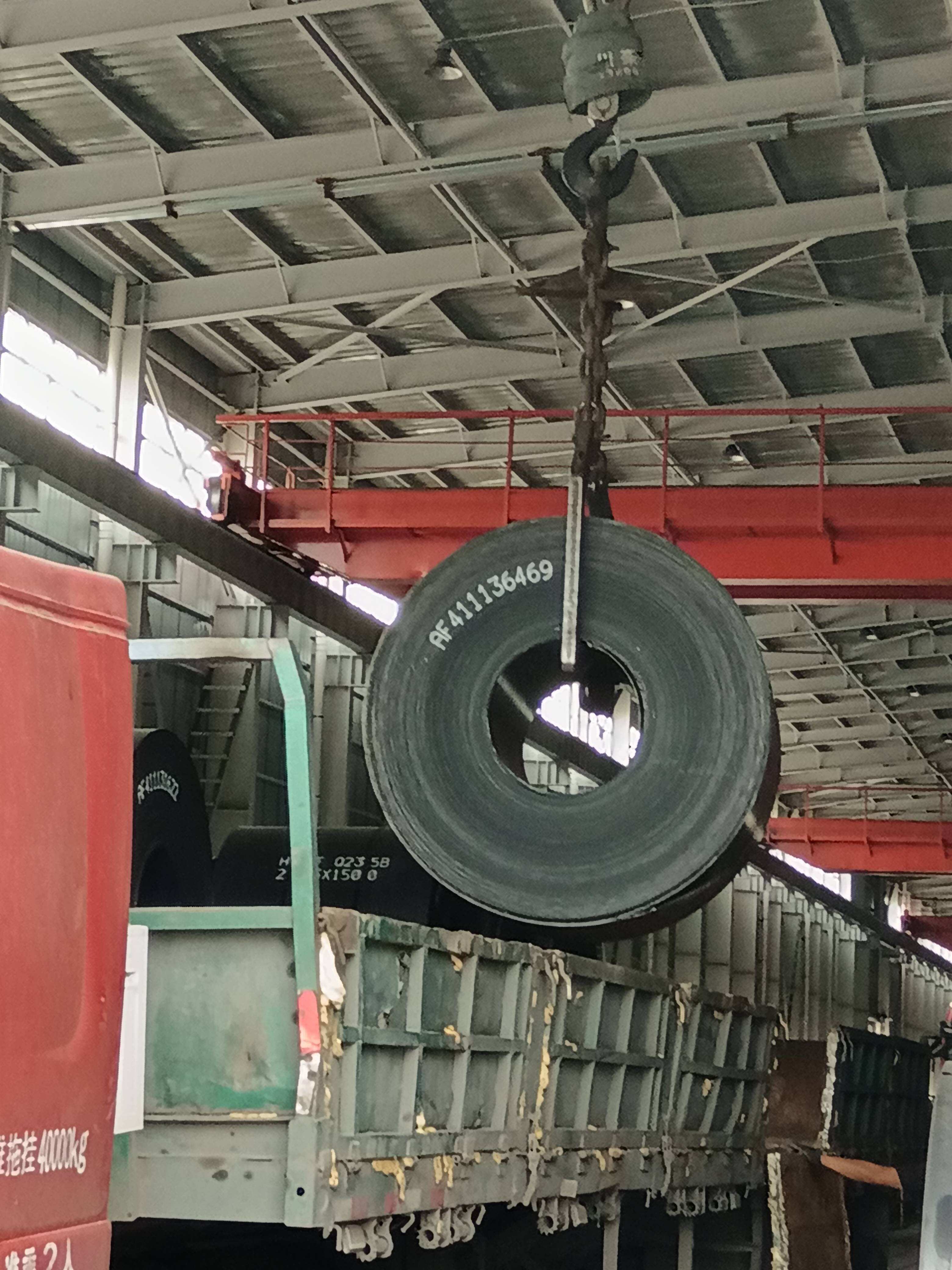
Robust and Secure Packaging: To guarantee the product arrives in pristine condition, even after long-distance international transportation, we employ reliable, engineered packaging solutions. This includes moisture-proof wrappings, rust-inhibitive coatings or VCI (Vapor Corrosion Inhibitor) papers, and sturdy, impact-resistant steel strapping and wooden pallets or cradles to prevent damage during handling and transit.
Detailed Product Categories
1. Hot-Rolled Coil (HRC)
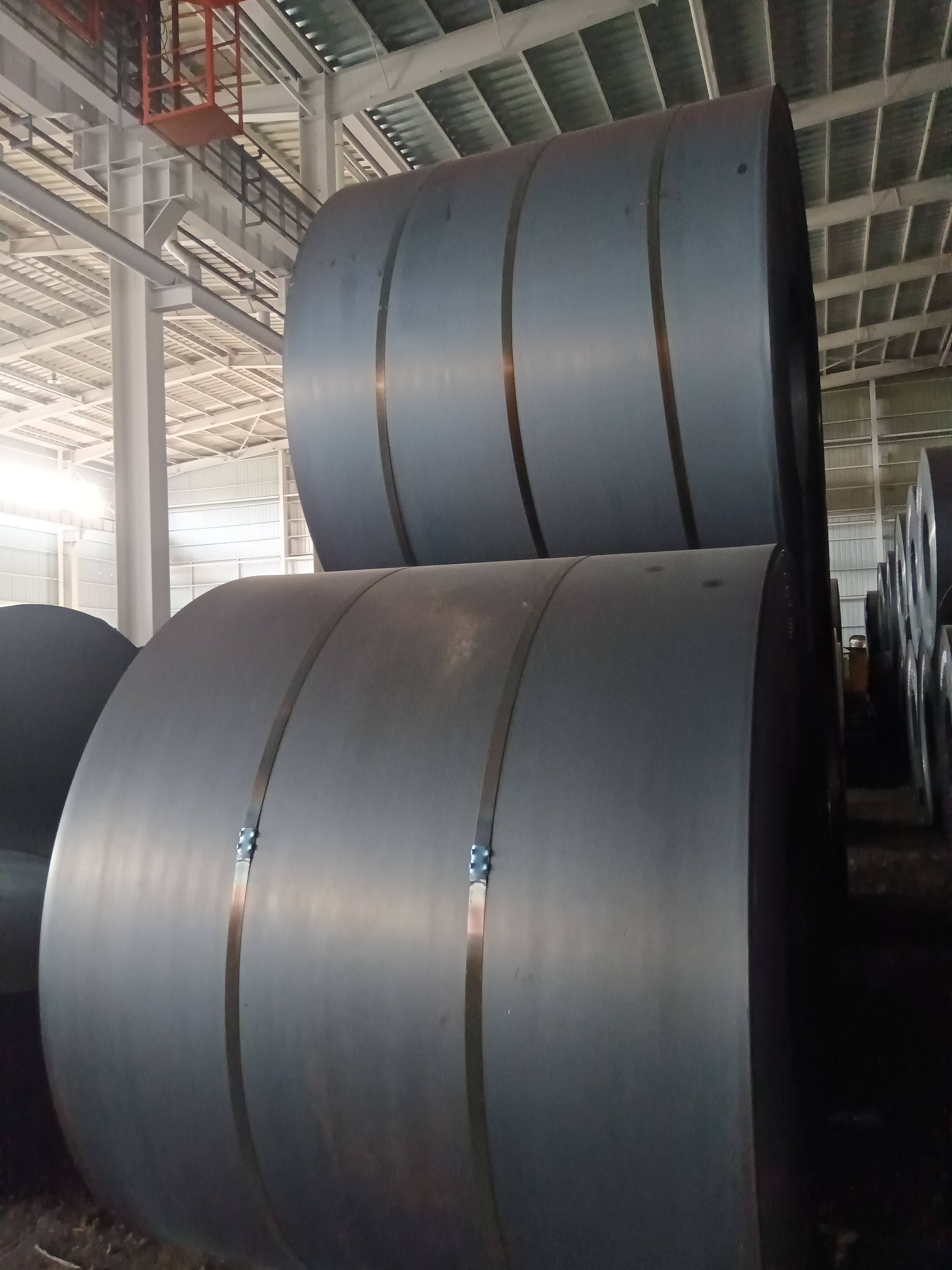
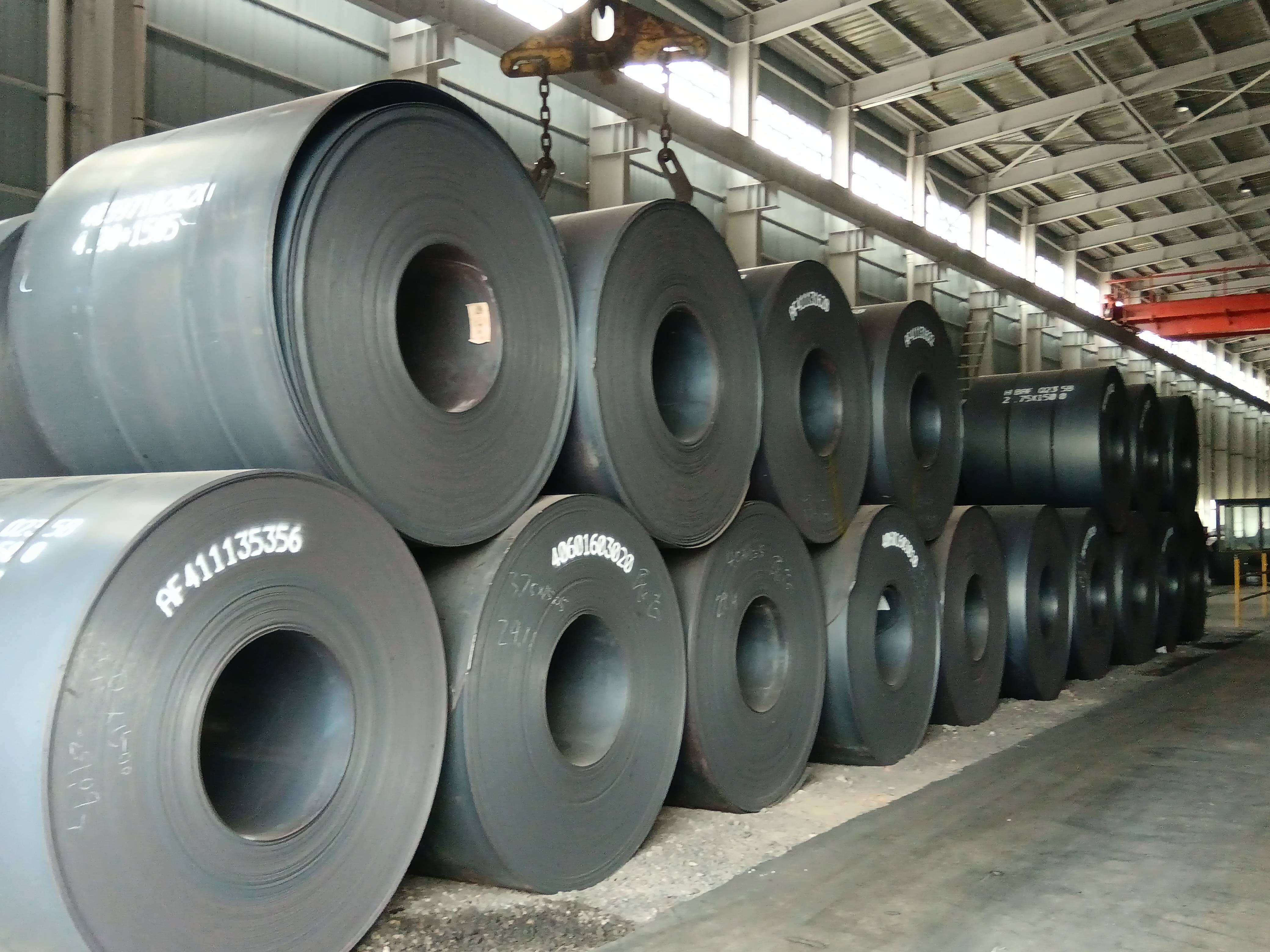
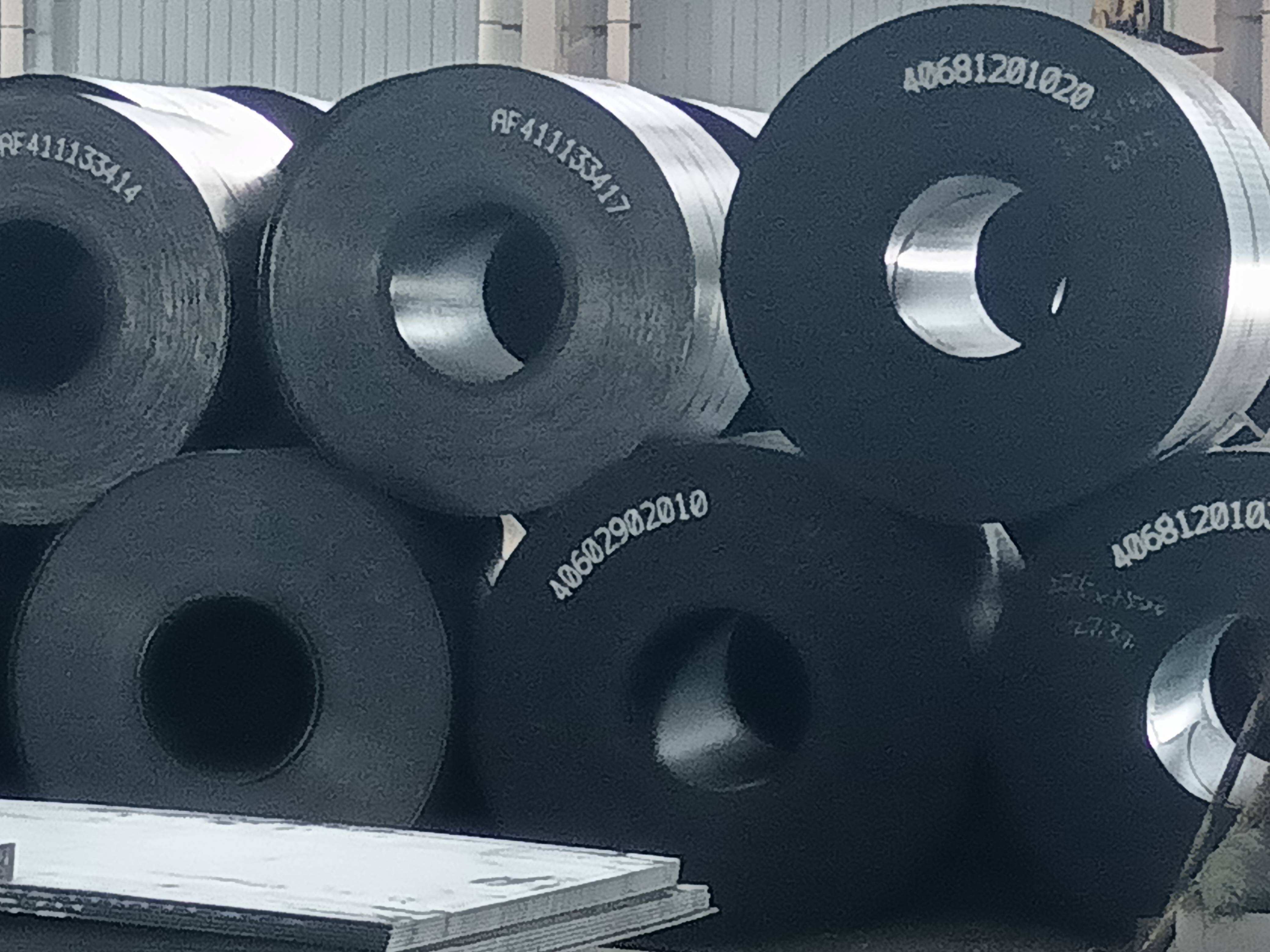
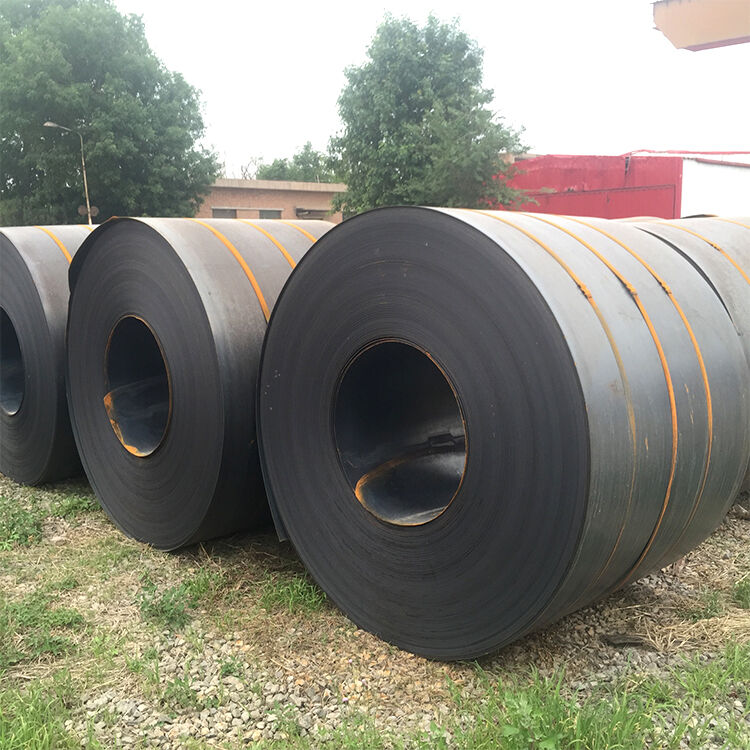
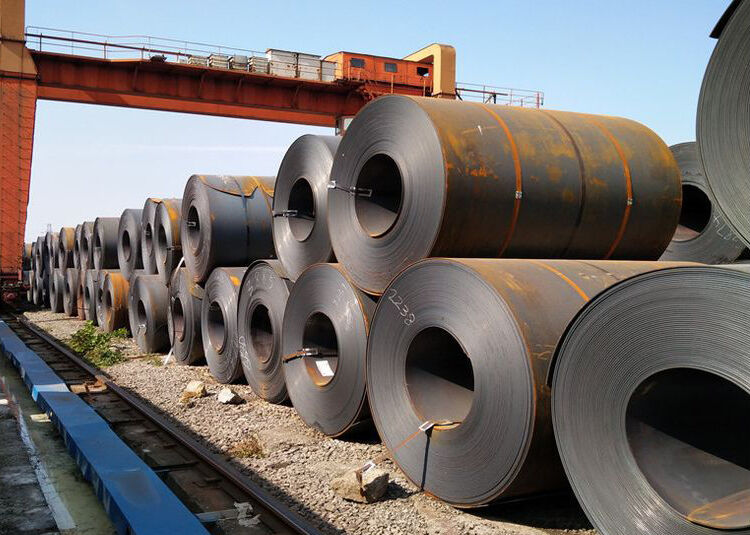
Hot-rolled coils are produced by passing the continuously cast slab through rolling mills at temperatures above its recrystallization point. This high-temperature process is efficient and results in a characteristic bluish-gray iron oxide layer, known as mill scale, on the surface.
Process: High-temperature rolling (> recrystallization temperature), resulting in a surface with a natural iron oxide scale.
Thickness Range: 1.2mm to 25.0mm, offering a wide spectrum from medium to heavy gauges.
Width Range: 600mm to 2000mm, accommodating various industrial needs.
Standard Inner Diameter: Φ508mm or Φ610mm, compatible with most standard uncoiling machinery.
Primary Applications: Ideal for structural applications and components where superior surface finish is not a critical requirement, but high strength and good formability are essential. Common uses include structural steel members, construction machinery frames, raw material for welded pipes, and as parent coils for further processing into medium and heavy plates.
2. Cold-Rolled Coil (CRC)
Cold-rolled coils are manufactured by further processing the pickled hot-rolled coils. This involves cleaning the scale, followed by rolling at room temperature, which work-hardens the steel. Subsequent annealing in controlled atmosphere furnaces restores ductility, and final skin-pass rolling and leveling impart the desired mechanical properties and surface characteristics.
Process: Involves pickling (to remove scale), cold reduction rolling, annealing (for softening and recrystallization), and final temper leveling.
Surface Finish: Characteristically bright, clean, and smooth, with the ability to control surface roughness (e.g., matte finish or smooth finish) for specific applications like painting or plating.
Thickness Range: 0.3mm to 3.5mm, providing precise, thin gauges.
Width Range: 600mm to 1600mm.
Primary Applications: Chosen for applications demanding high precision, a superior surface finish, and excellent formability. Typical end-uses include home appliance shells (refrigerators, washing machines), automotive body panels and interior parts, precision stamping and deep-drawing components, and high-quality office furniture.
Application Scenarios
Hot-rolled coils, with their thicker gauges (typically 1.2 to 25mm) and characteristic mill scale surface, are the go-to material for applications where ultimate surface aesthetics are secondary to structural integrity, strength, and cost-effectiveness in forming.
Steel Structure and Construction Industry:
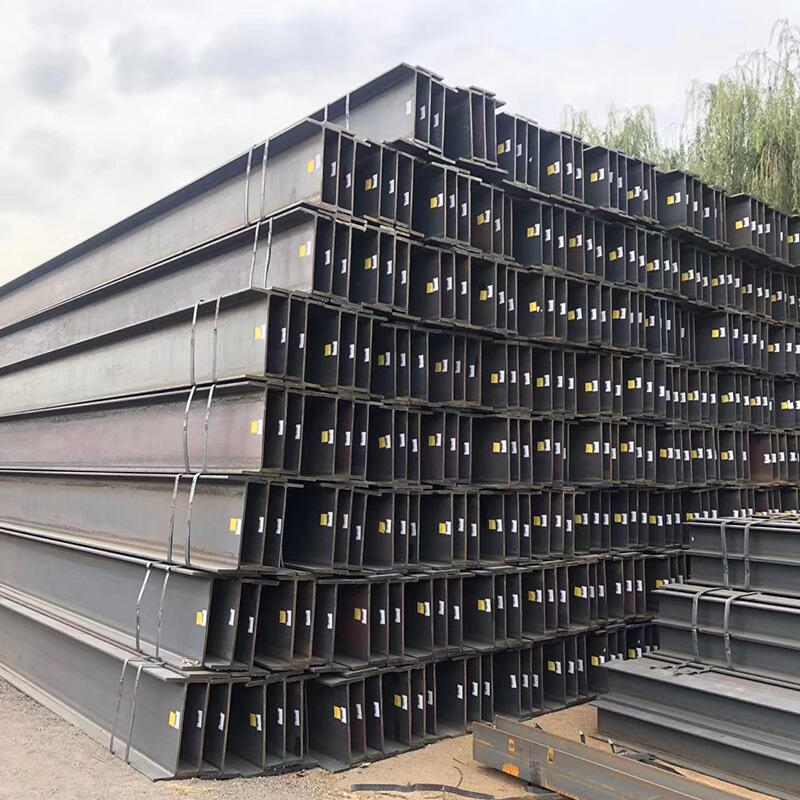
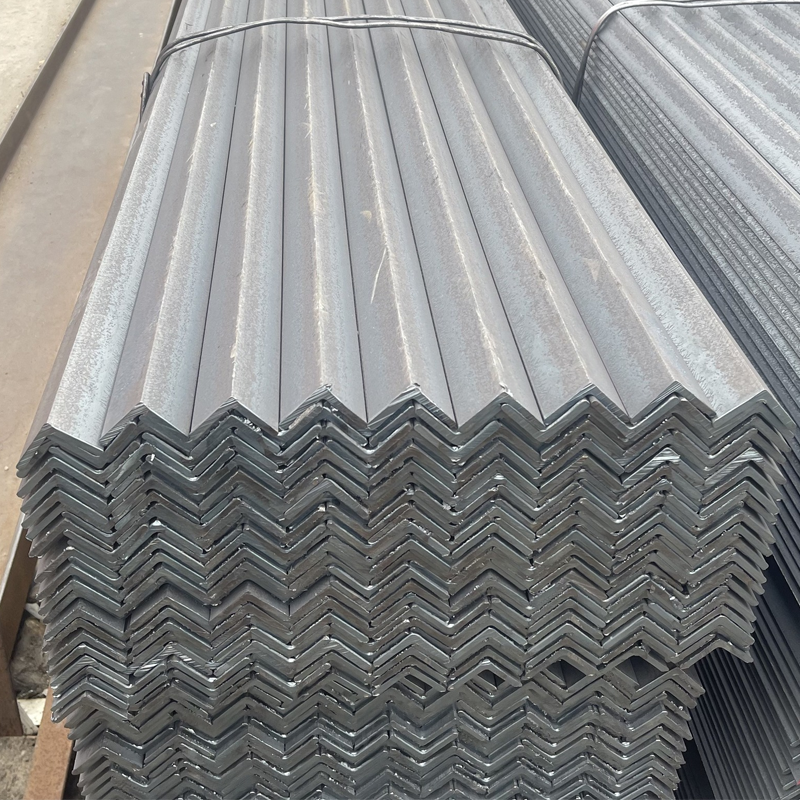
Serves as the primary raw material for rolling or welding into structural sections like H-beams, I-beams, and angle steels.
Fabricated into key components for steel-framed buildings, such as factory beams, columns, and bridge girders.
Used in manufacturing scaffolding pipes, reinforcing elements, and support systems for building formwork.
Welded Pipe and Tube Manufacturing:
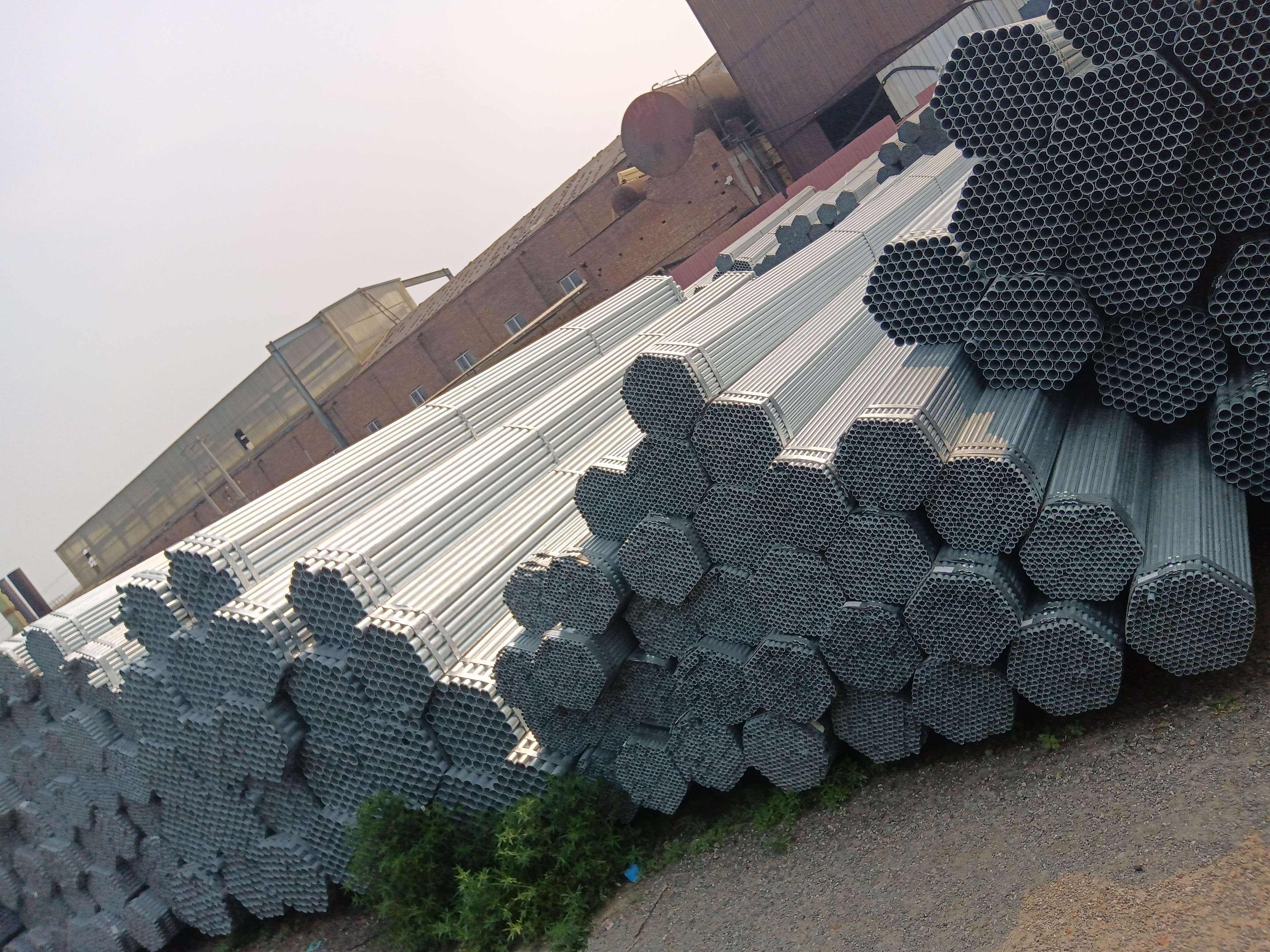
Acts as the base material (skelp) for the production of both straight seam welded pipes (ERW) and spiral welded pipes (SSAW).
These pipes find extensive use in water supply networks, gas transmission lines, structural hollow sections, piling pipes, and various industrial fluid conduits.
Construction Machinery and Heavy Equipment:
Formed into critical structural parts for heavy machinery, including excavator undercarriages and chassis, crane booms and jibs, and loader arm assemblies.
Used in the fabrication of frames for agricultural machinery (tractors, combines) and the protective body shells for harvesters.
Automotive and Rail Transit:
Employed in the manufacturing of chassis frames and beams for commercial vehicles (e.g., truck longitudinal beams, often using high-strength low-alloy grades like 510L/610L).
Used for the floors of trailers, dump truck bodies, and tipper beds.
Finds application in the side walls, underframes, and structural components of railway freight wagons and rolling stock.
Energy and Infrastructure:
Uncoiled and cut to form the curved steel plates used in the construction of wind turbine towers.
Fabricated into connection plates, gussets, and support brackets for electrical transmission towers and substation structures.
Used for large-diameter oil and gas transmission pipelines, requiring strict compliance with standards like API 5L.
Other Industrial Applications:
Utilized in container manufacturing for side panels, roof sheets, and certain structural parts, sometimes using weather-resistant (Corten) grades like SPA-H.
Serves as base material for wear-resistant lining plates in mining equipment, often undergoing subsequent hardening treatments.
Used for the shells and certain components of pressure vessels, requiring specific grades such as Q245R or Q345R.