 EN
EN
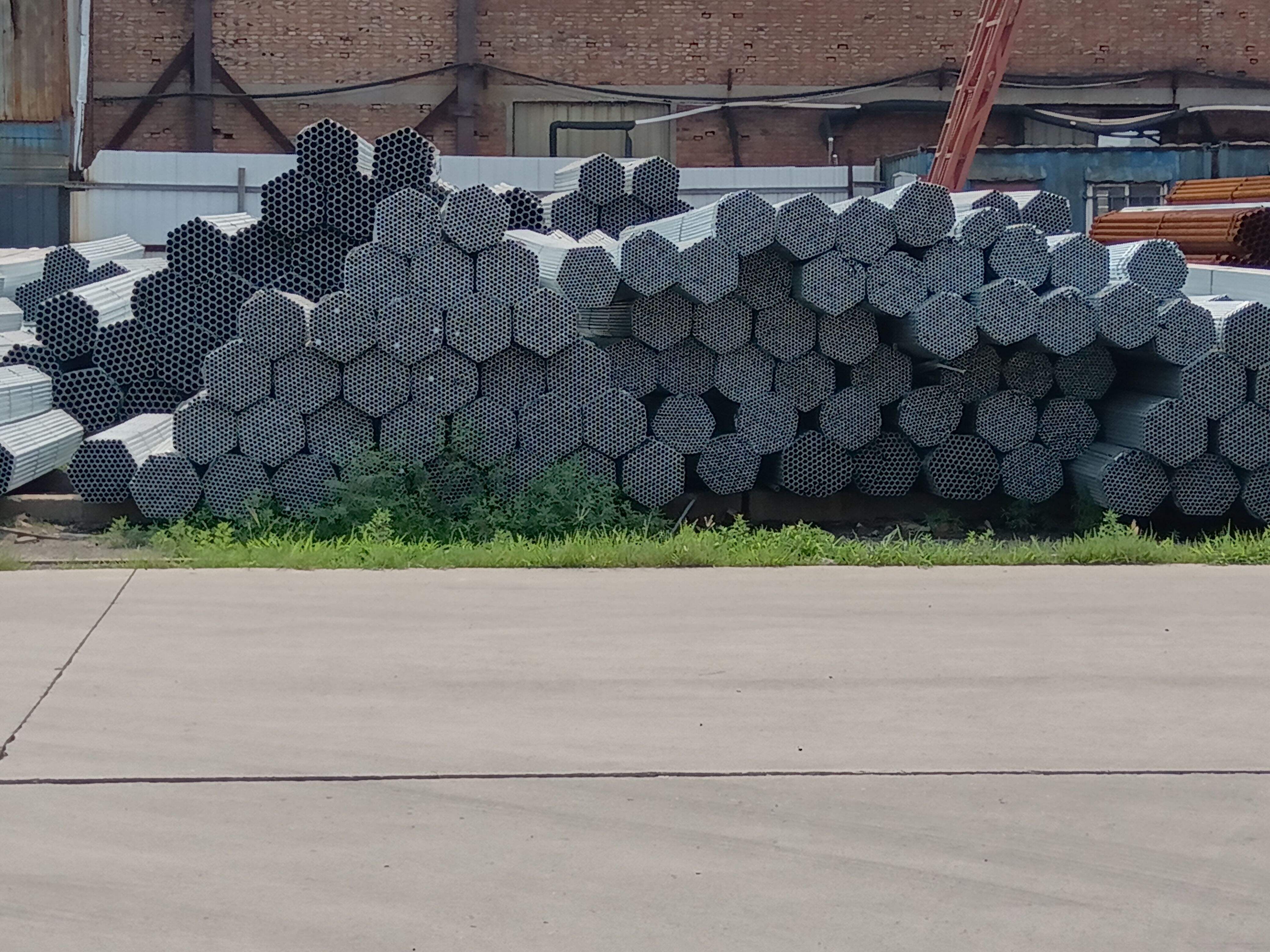
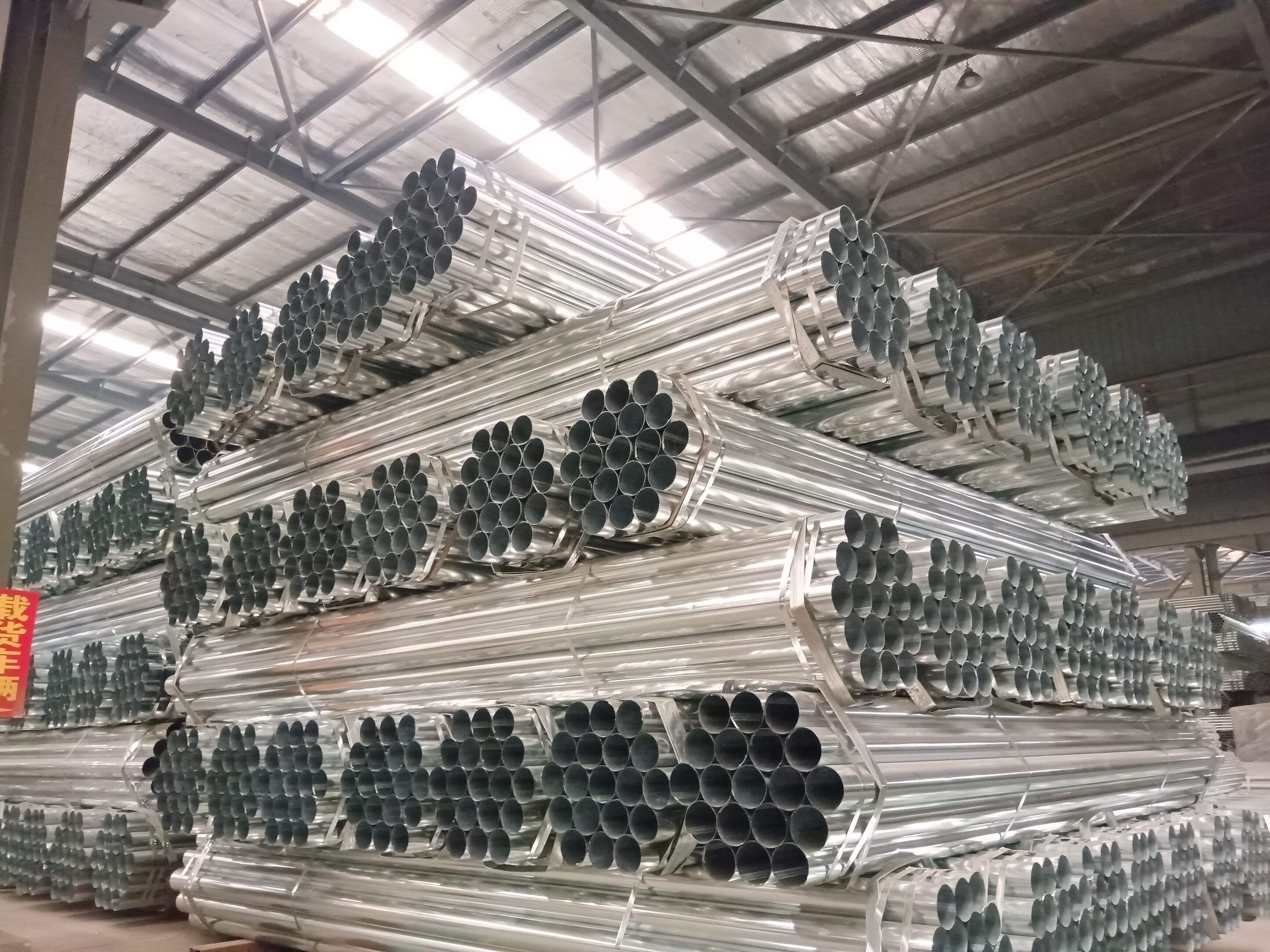
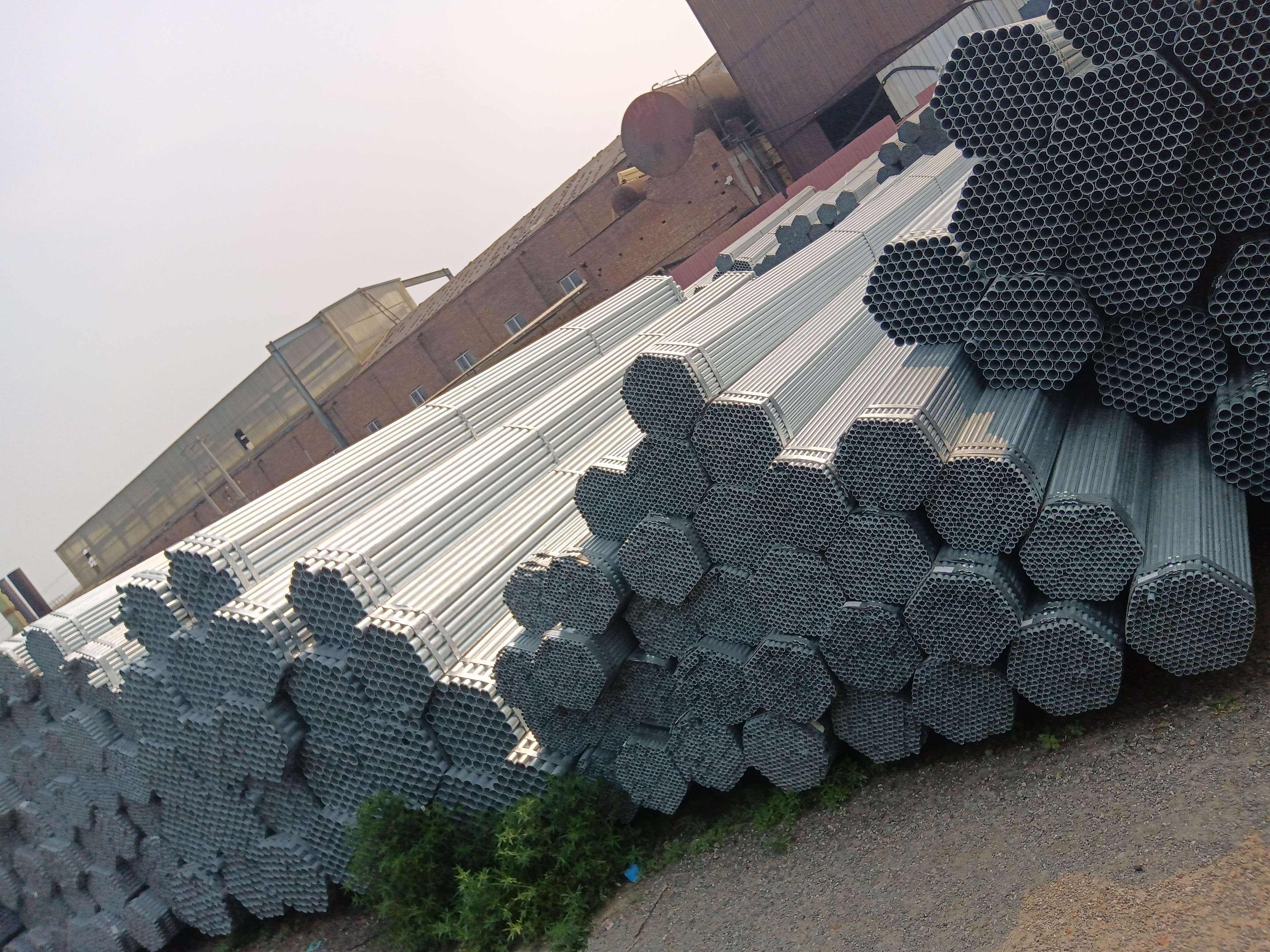
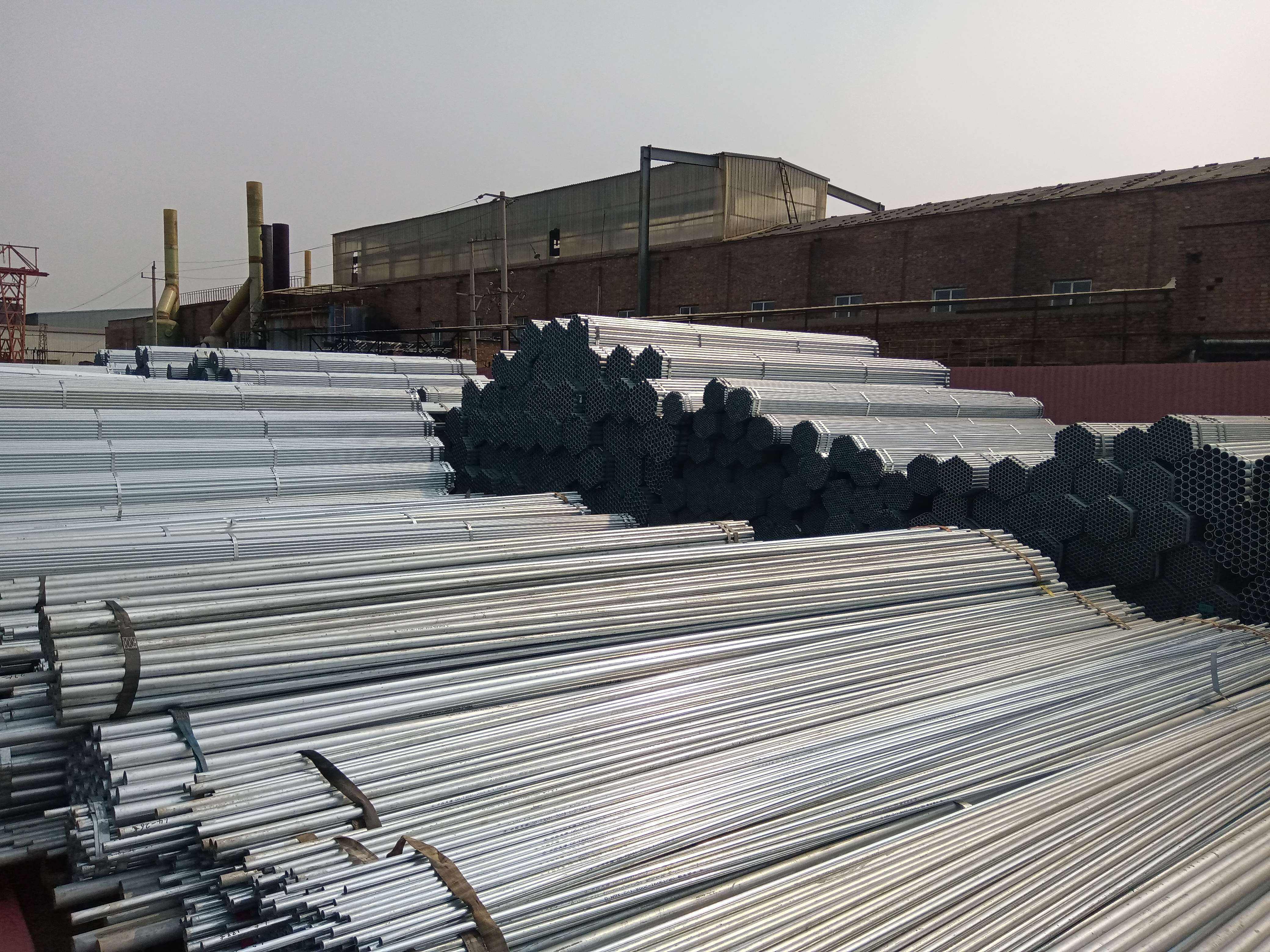
Galvanized round pipe
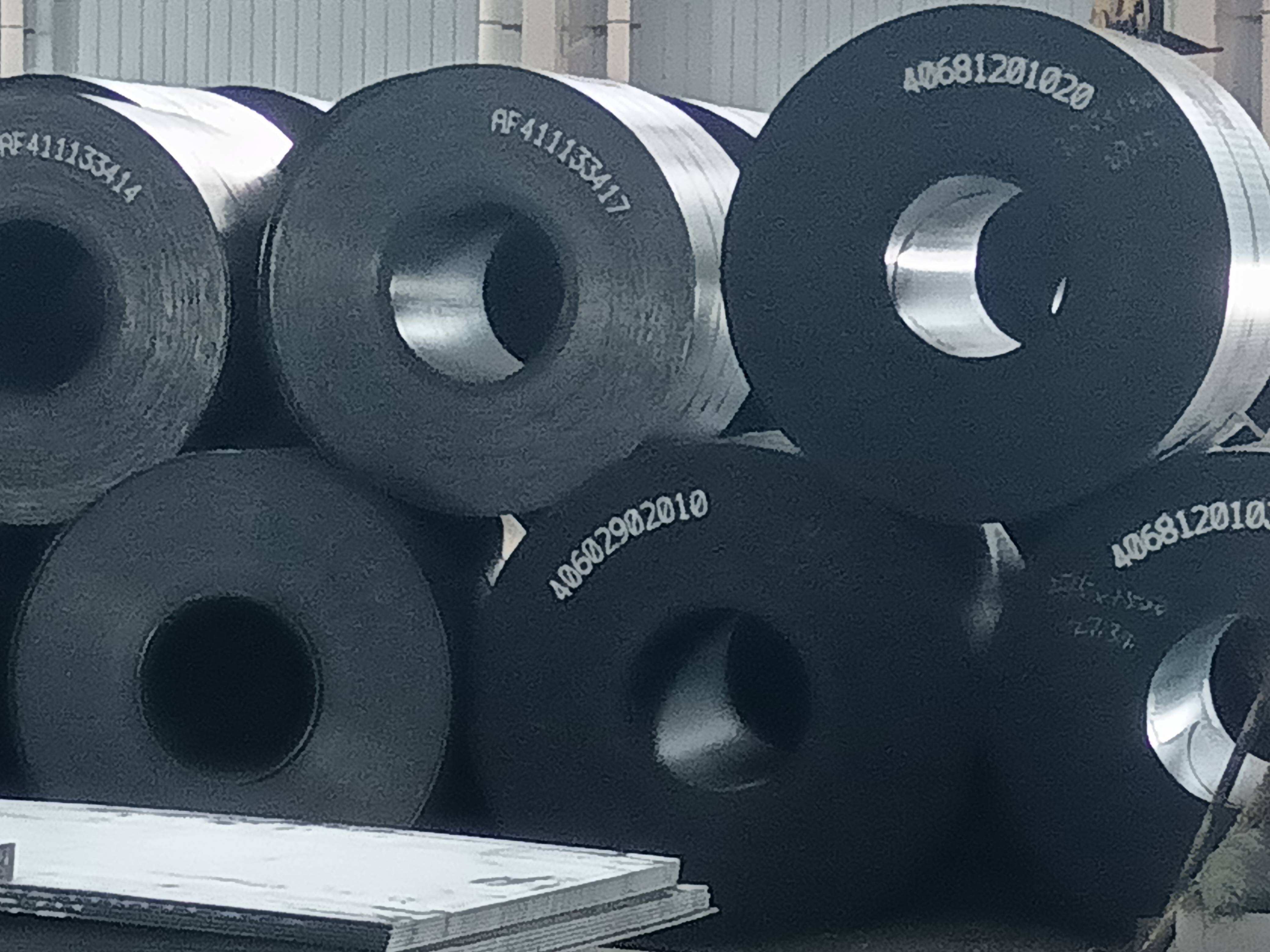
Raw material uncoiling: High-quality hot-rolled/cold-rolled steel strips (Q235B, SPHC, etc.)
Forming and welding: Formed by roller pressing + high-frequency straight seam welding (ERW)
Diameter straightening and correction: Ensure the accuracy and straightness of the outer diameter
Acid washing for rust removal: Remove oxide scale and impurities
- Overview
- Recommended Products
Product Overview
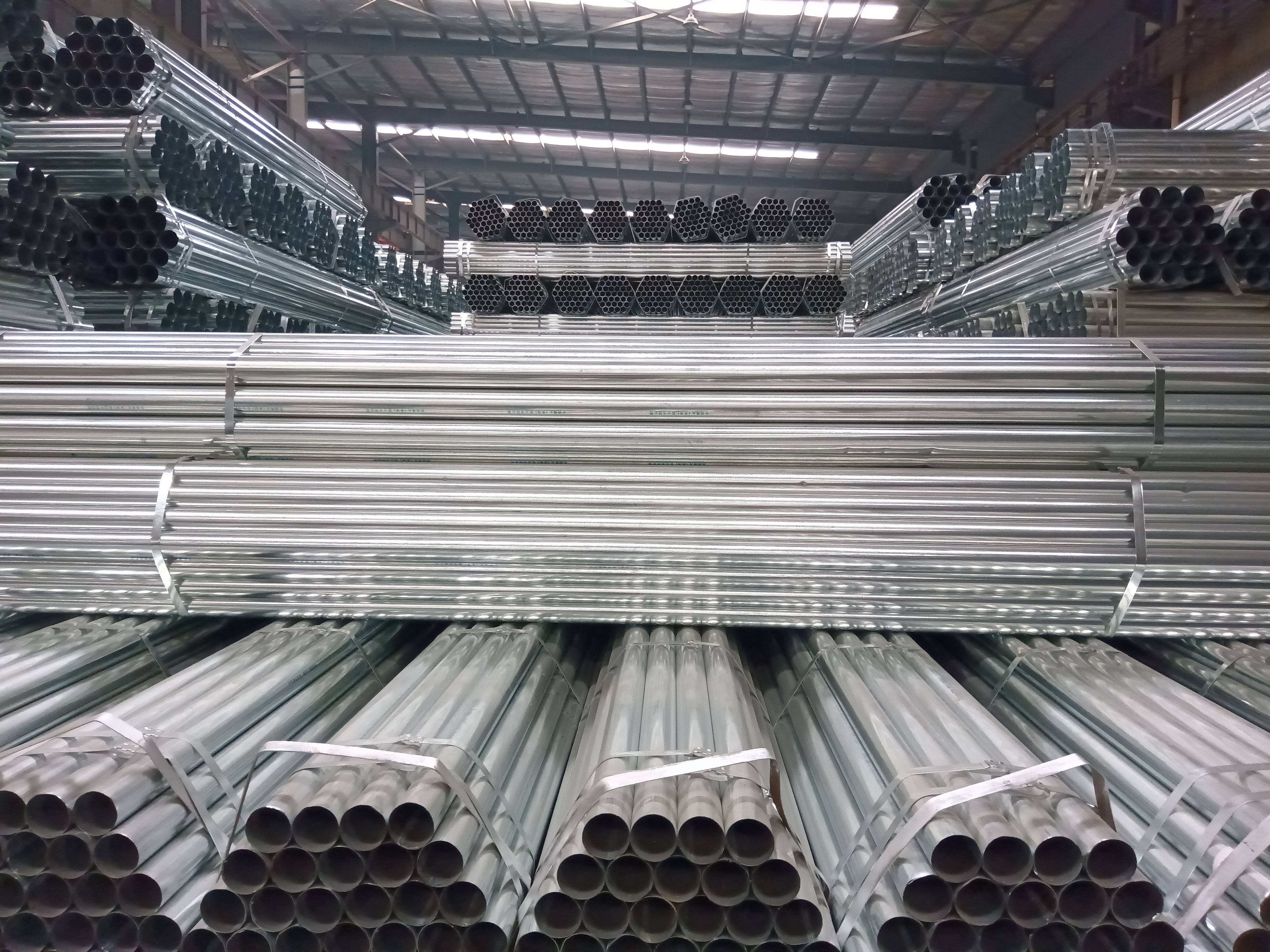
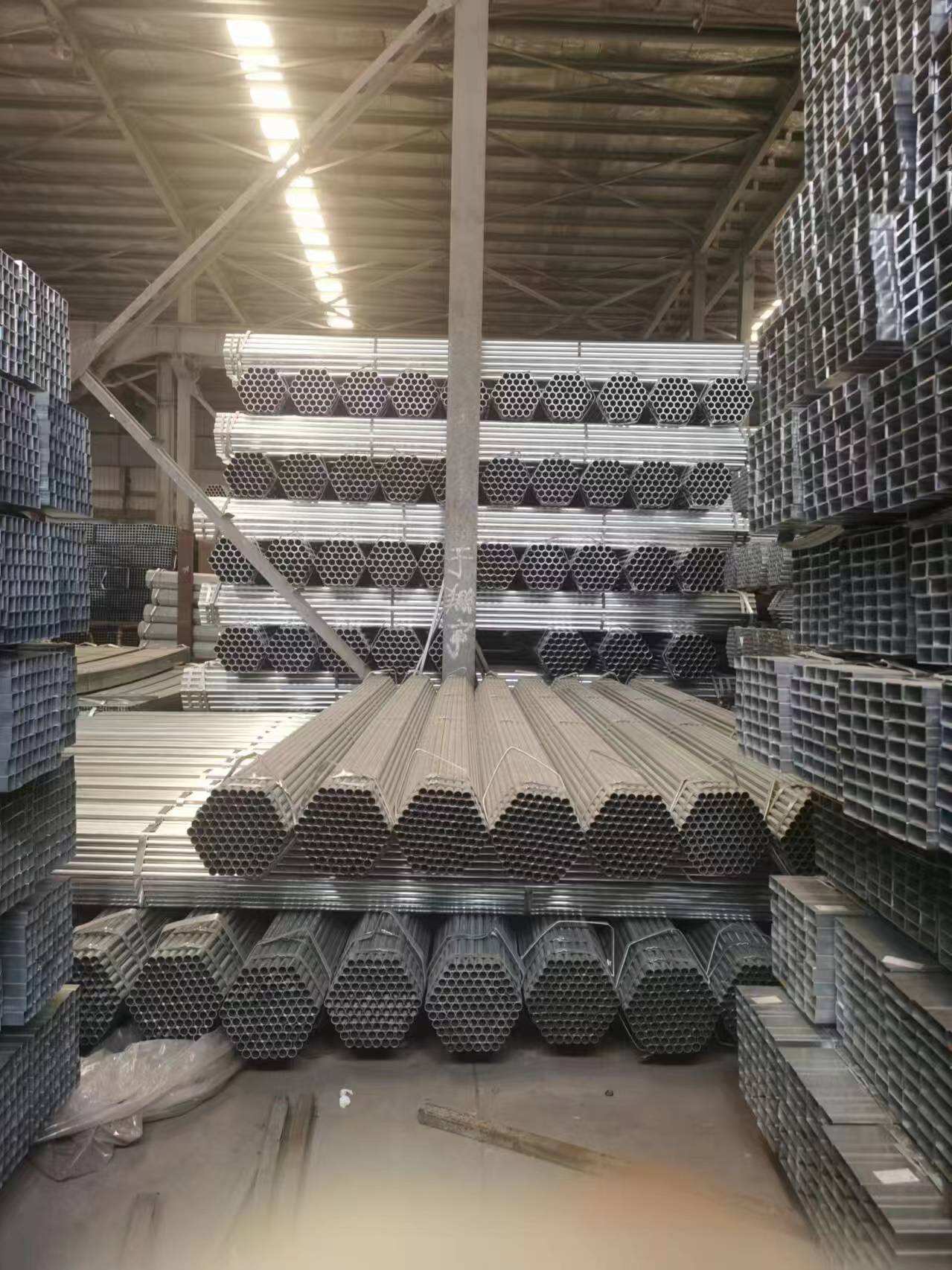
Galvanized round pipe is a high-performance circular hollow structural profile renowned for its exceptional strength and corrosion resistance, crafted from high-quality carbon structural steel strips or plates as raw materials. The production process adheres to strict quality control standards, starting with the selection of premium steel materials that ensure uniform texture and stable mechanical properties. After being precisely formed into a circular shape through roller pressing, the steel undergoes high-frequency straight seam welding (ERW) to create a seamless, sturdy pipe structure. The welded pipe then undergoes a rigorous hot-dip galvanizing process, where it is fully immersed in molten zinc heated to approximately 450℃, forming a dense, metallurgically bonded zinc layer on the surface. This innovative combination merges the inherent high strength, compressive resistance, and bending stability of steel pipes with the excellent corrosion resistance of the zinc coating, making it a versatile material widely used in building structures, municipal engineering, agricultural facilities, mechanical manufacturing, power communication, and outdoor decoration. The product strictly complies with national and international mainstream standards such as GB/T 3091 and ASTM A53, ensuring consistent quality across batches. Additionally, it supports professional deep processing services including fixed-length cutting, precision drilling, and arc bending to cater to the diverse needs of different projects and industries.
Core Advantages
Outstanding Anti-Corrosion Performance: The zinc coating on galvanized round pipe typically has a thickness of 60-85 μm, forming an impenetrable protective barrier against rust and degradation. Leveraging the "sacrificial anode" principle, the zinc coating corrodes preferentially to shield the underlying steel, and even minor scratches can be self-repaired by the surrounding zinc. This exceptional protection enables an outdoor service life of 15-25 years, making it highly suitable for harsh environments such as coastal areas, industrial zones, and high-humidity agricultural settings.
Superior Structural Strength: The welded galvanized round pipe features a uniformly distributed wall thickness, a result of precise roller pressing and high-frequency welding processes. This structural design ensures stable compressive and bending resistance, allowing the pipe to withstand heavy loads and complex stress conditions without deformation. Whether used as load-bearing columns in construction or support frames in machinery, it maintains reliable structural integrity, providing a safe and stable foundation for various applications.
Effortless Installation and High Efficiency: Galvanized round pipe supports multiple connection methods to adapt to diverse construction scenarios, including threading, flanging, welding, and clamp assembly. Each connection method is simple and efficient, requiring no complex specialized tools—threaded connections enable quick disassembly and reuse, while welding and flanging ensure permanent firmness. This versatility significantly reduces construction time and labor costs, enhancing overall project efficiency.
Neat and Aesthetic Appearance: The hot-dip galvanizing process creates a bright, uniform silver-white zinc coating on the pipe surface, combining protective functionality with decorative appeal. The smooth, consistent finish eliminates the need for additional painting or polishing, making it suitable for both hidden structural components and visible decorative elements. Whether used in municipal facilities or interior decoration, it adds a clean, industrial aesthetic to the space.
Green and Environmentally Friendly: Beyond its performance advantages, galvanized round pipe is an environmentally responsible choice. The zinc coating’s self-healing "sacrificial anode" protection reduces material waste by extending service life, while the steel substrate is 100% recyclable. At the end of its service life, the pipe can be fully recovered and reused through professional recycling processes, minimizing environmental impact and aligning with global sustainable development goals.
Production Process Flow
The production of galvanized round pipe follows a precise, multi-step process to ensure consistent quality and performance, with each stage subject to strict quality monitoring:
Raw Material Uncoiling: High-quality hot-rolled or cold-rolled steel strips (such as Q235B, SPHC) are selected as raw materials, ensuring stable chemical composition and mechanical properties. The steel strips are uncoiled and flattened to remove internal stress, preparing them for the forming stage.
Forming and Welding: The flattened steel strips are gradually formed into a circular shape through continuous roller pressing, ensuring uniform diameter and wall thickness. High-frequency straight seam welding (ERW) is then used to fuse the seam, creating a seamless, sturdy pipe—this process ensures tight welds with no gaps, enhancing structural strength.
Diameter Straightening and Correction: The welded pipes undergo precision straightening to adjust the outer diameter accuracy and straightness, eliminating bending or deformation caused by welding. This step ensures consistent dimensions, facilitating smooth installation and connection.
Acid Washing for Rust Removal: The pipes are immersed in an acid solution to remove oxide scale, rust, and impurities from the surface. This cleaning process ensures the zinc coating adheres firmly to the steel surface, preventing coating peeling or unevenness.
Hot-Dip Galvanizing: The cleaned pipes are immersed in a molten zinc bath heated to approximately 450℃, forming a metallurgically bonded zinc-iron alloy layer on the surface. The immersion time is precisely controlled to ensure a coating thickness of 60-85 μm, balancing corrosion resistance and cost-effectiveness.
Passivation/Water Cooling: After galvanizing, the pipes undergo passivation treatment and rapid water cooling to stabilize the zinc coating, prevent white rust formation during storage, and enhance long-term storage stability.
Inspection and Packaging: Final inspections include dimensional measurement, zinc coating thickness testing, and adhesion testing (ensuring the coating does not peel after bending). Qualified pipes are bundled securely, marked with specifications, batch numbers, and standards, and then warehoused to await shipment.
Main Application Scenarios
Construction and Building Field: Galvanized round pipe is a staple in construction, primarily used in scaffolding systems as vertical rods, horizontal rods, and diagonal braces for high-rise buildings, bridges, and factories—with the common specification φ48.3×3.0mm being the industry standard. It also serves as edge and border guardrails for foundation pits, floor edges, and staircase entrances, providing reliable safety enclosures. In formwork support systems, it acts as vertical/horizontal components during concrete pouring, and as the framework for temporary work sheds (construction site offices and warehouses). Its key advantages here include no need for painting, rain resistance, and reusability multiple times, significantly reducing material waste and construction costs.
Municipal and Public Facilities: Urban infrastructure relies heavily on galvanized round pipe for road guardrails and isolation barriers on main roads, expressway medians, and sidewalks. It is also the primary material for street lamp poles (supporting solar or municipal power lamps, commonly φ76-114mm), bus stop structures (canopy supports and advertising frames), and park landscape facilities (pergolas, leisure seat frames, and fitness equipment columns). The neat silver-white appearance complements urban aesthetics, while its atmospheric corrosion resistance enables maintenance-free operation for over 10 years.
Agriculture and Greenhouse Engineering: In agricultural settings, it is widely used in vegetable and flower greenhouses as arch rods, longitudinal beams, and end columns (common specifications φ25-60mm), providing stable support for greenhouse films. It constructs livestock breeding fences (partition railings for cattle and sheep sheds, chicken house supports) and sprinkler/drip irrigation supports (holding water delivery pipes and sprinkler heads). Its ability to withstand harsh agricultural environments—high humidity, high temperature, and ammonia gas from animal waste—ensures a service life of 15-20 years, making it ideal for sustainable farming.
Energy and Power Communication: The energy sector utilizes galvanized round pipe in photovoltaic support systems (columns and beams for ground or roof solar panels, φ60-89mm) and cable protection conduits (low-voltage power and communication lines, complying with GB/T 3091). It also serves as communication base station poles (supporting antennas and monitoring equipment) and substation auxiliary components (cable tray hangers, equipment brackets). Its resistance to ultraviolet rays, large temperature differences, and salt spray allows long-term stable operation in diverse energy environments.
Transportation and Logistics: Highway sound barrier columns—supporting sound-absorbing boards to reduce noise—are made from galvanized round pipe, as are columns and beams for light/medium logistics warehousing shelves (often combined with angle steel or square tubes). In vehicle modification, it is used for RV frames, trailer guardrails, and dump truck side protection. Its wind pressure resistance and vibration resistance make it suitable for long-term outdoor exposure in transportation and logistics scenarios.
Industrial Equipment and Automation: Industrial manufacturing relies on galvanized round pipe for machinery frames (conveyor line supports, operation platform columns, protective cover frames) and automated guide rail supports (robot workstations, assembly line structures). It also serves as ventilation duct hangers for air conditioning and exhaust systems. Standardized sizes and easy welding/bolting make it ideal for mass production, enhancing industrial efficiency.
Decoration and Civilian Products: In interior and exterior decoration, it is a popular choice for stair and balcony railings (paired with wood or glass for modern minimalist spaces) and advertising light box frames (supporting outdoor signs and LED displays). It is also used in industrial-style furniture (tables, chairs, display stands, shelves), with optional spraying treatments to enhance aesthetic appeal. Its smooth surface and simple lines blend functionality with design sense, adapting to diverse decorative styles.