 EN
EN
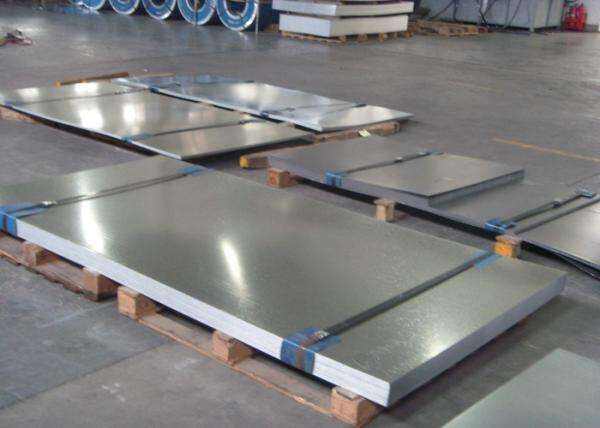
galvanized plate
Outstanding anti-corrosion performance: The zinc coating protects the substrate through the "sacrificial anode" principle, providing protection even if there are local scratches
Long service life: It can last for 15 to 25 years in general atmospheric environments, and about 10 to 15 years in coastal areas or industrial zones
Excellent processing performance: Can be stamped, bent, rolled and welded (it is recommended to perform welding in the zinc zone)
Stable surface quality: Multiple zinc flower forms (large zinc flowers, small zinc flowers, and no zinc flowers) are provided to meet different needs
- Overview
- Recommended Products
Product Overview
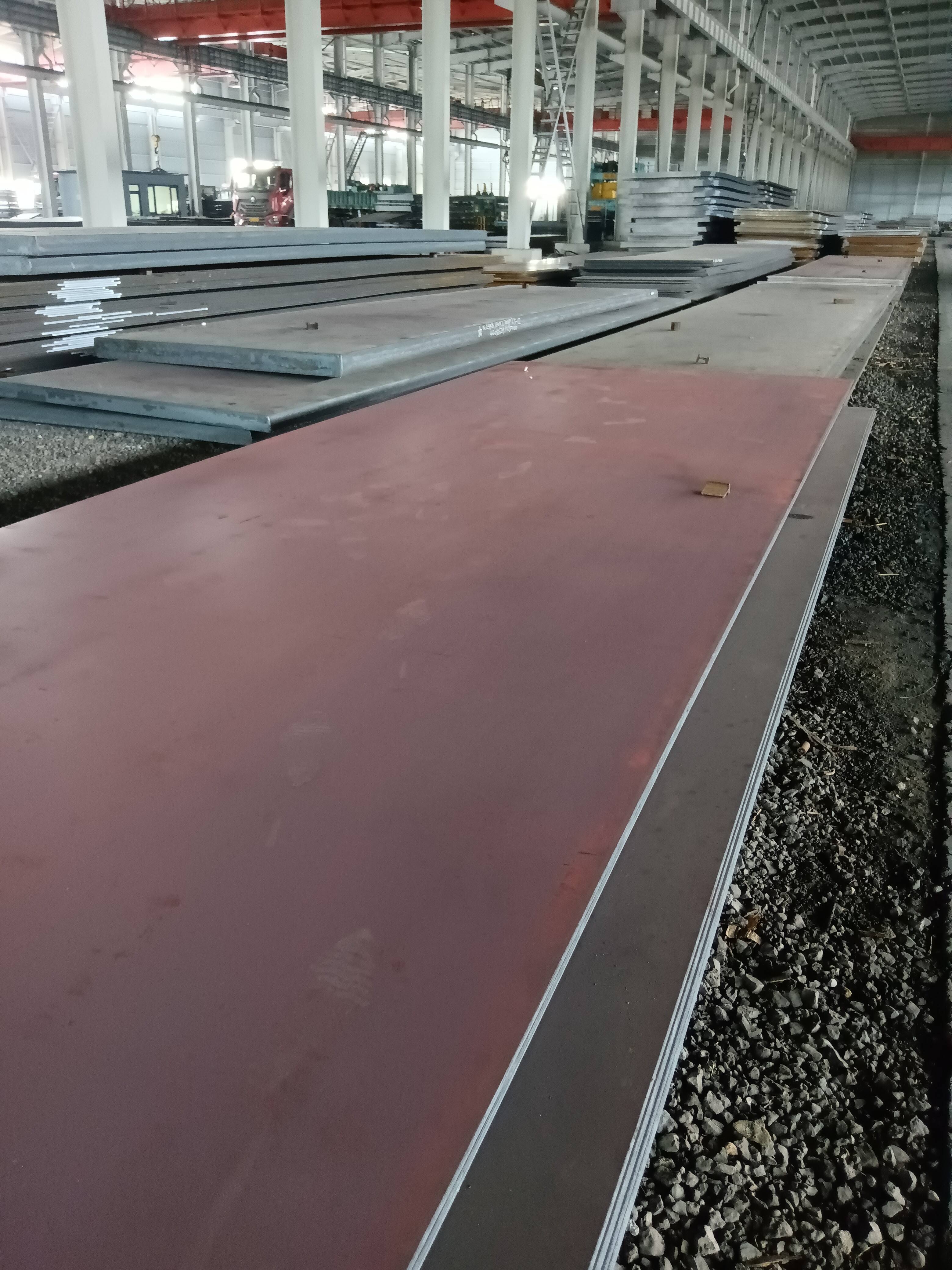
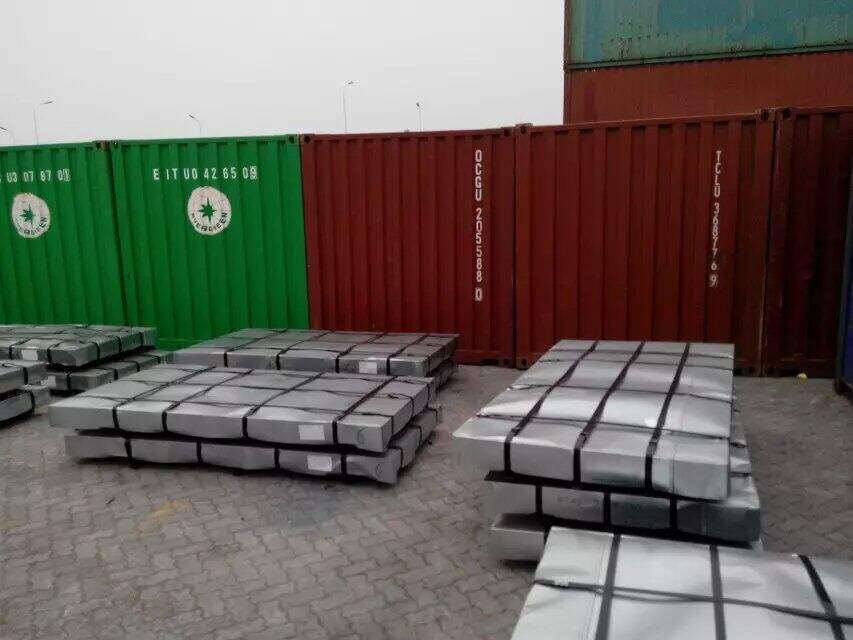
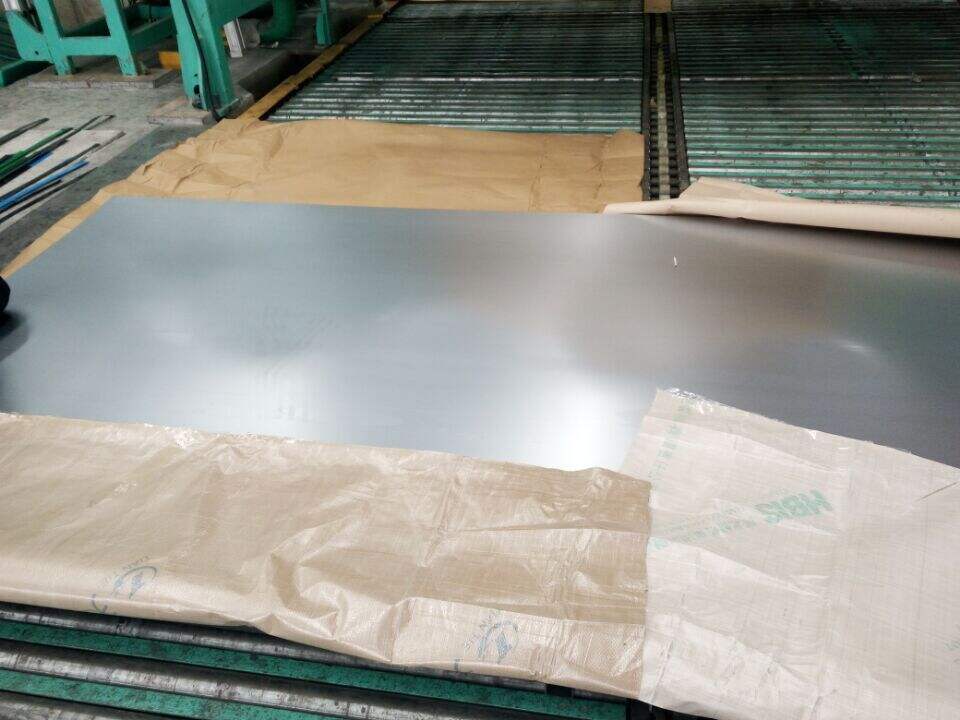
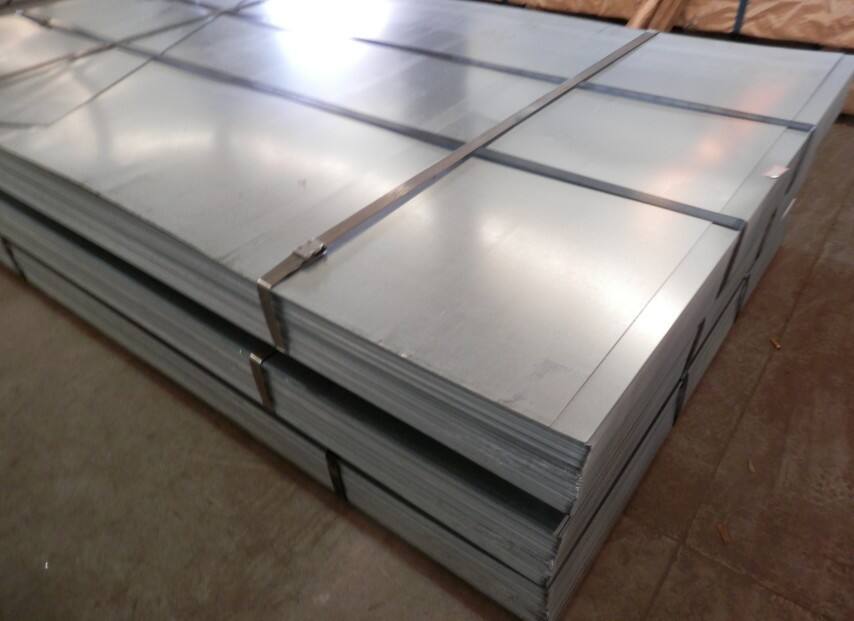
Galvanized plate, a versatile and indispensable metallic material in modern industry, is crafted using high-quality cold-rolled or hot-rolled carbon structural steel as the base material. After undergoing a precise continuous annealing process to optimize its mechanical properties, the steel is immersed in molten zinc at approximately 450℃—a process that forms a dense, firm zinc or zinc-iron alloy coating on its surface. This advanced manufacturing method merges the inherent high strength, rigidity, and ductility of steel with the exceptional corrosion resistance, wear resistance, and decorative appeal of the zinc coating. As one of the most fundamental and widely used anti-corrosion steel types, galvanized plate finds extensive application in construction, home appliance manufacturing, transportation, ventilation ducts, agricultural facilities, and various industrial structural components, delivering reliable performance across diverse environments and use cases.
Core Advantages
Exceptional Anti-Corrosion Performance: The zinc coating on galvanized plate acts as a robust protective barrier, safeguarding the steel substrate through the "sacrificial anode" principle. Even if the coating sustains local scratches or damage, the zinc will corrode preferentially, preventing the underlying steel from rusting and extending the material’s service life. This anti-corrosion capability makes galvanized plate ideal for outdoor, humid, or harsh industrial environments, where ordinary steel would quickly deteriorate.
Long-Lasting Durability: Thanks to its superior anti-corrosion properties, galvanized plate boasts an impressive service life. In general atmospheric environments, it can maintain structural integrity and performance for 15 to 25 years, while in more challenging settings such as coastal areas (with high salt content) or industrial zones (with chemical fumes), it still offers a reliable service life of 10 to 15 years. This longevity reduces the need for frequent replacement and maintenance, lowering long-term costs for users.
Excellent Processing Versatility: Galvanized plate exhibits remarkable flexibility in processing, compatible with a range of manufacturing techniques including stamping, bending, rolling, and welding (with the recommendation to perform welding in the zinc zone to minimize coating damage). Its ductile nature allows it to be shaped into complex forms without cracking or losing structural stability, adapting to the diverse design requirements of different products and projects—from intricate home appliance components to large-scale construction panels.
Stable and Customizable Surface Quality: Galvanized plate is available in multiple zinc flower forms, including large zinc flowers, small zinc flowers, and no zinc flowers, to meet the aesthetic and functional needs of various applications. Small zinc flower or no zinc flower surfaces are ideal for subsequent spraying, printing, or direct use in visible areas, while large zinc flowers add a unique texture for decorative purposes. The consistent surface finish ensures uniformity across batches, enhancing the overall quality and appearance of end products.
Economical and Cost-Efficient: Compared with stainless steel or specialized coated steel plates, galvanized plate offers significant cost advantages. Its standardized production process enables mass supply at competitive prices, and its combination of high performance and long service life translates to lower total cost of ownership. Additionally, the "maintenance-free" characteristic in most environments eliminates ongoing upkeep expenses, making it a cost-effective choice for both large-scale industrial projects and small-scale commercial or residential applications.
Environmentally Friendly and Recyclable: Aligning with green manufacturing and sustainable development concepts, galvanized plate is 100% recyclable. At the end of its service life, the material can be melted down and reused without losing its inherent properties, reducing resource waste and environmental impact. The zinc coating is also non-toxic and environmentally safe, ensuring compliance with global environmental standards.
Main Application Scenarios
I. Construction and Steel Structure Engineering (Largest Application Field)
Building Envelope System: Galvanized plate is a cornerstone material for building exteriors and interiors. As the base for profiled color steel tiles, antique tiles, and flat roof covering panels, it provides weather resistance and structural support for roofs. In wall systems, it serves as exterior wall panels, interior wall partitions, and cladding for movable prefabricated houses, offering thermal insulation and soundproofing benefits. For floors, it acts as permanent formwork for concrete floor slabs in high-rise buildings (such as YX series closed/open floor decks), simplifying construction and enhancing structural efficiency.
Ventilation and Fire Protection Systems: It is widely used in the production of rectangular or circular galvanized air ducts for central air conditioning and industrial exhaust systems (commonly in thicknesses of 0.5-1.2mm), thanks to its airtightness and corrosion resistance. Additionally, it manufactures muffler housings and static pressure boxes, where both sealing performance and anti-corrosion properties are critical for optimal operation.
Structural Accessories: Galvanized plate is processed into light steel keels for partitions and ceilings, cable trays, and conduits, ensuring organized and durable installation of electrical and communication systems. It also serves as scaffolding treads, safety passage canopies, awnings, eaves, gutters, and downspouts—all requiring long-term exposure resistance and structural stability. Its advantages in this sector include maintenance-free operation, fast construction speed, and suitability for large-span buildings like industrial plants, logistics warehouses, and sports venues.
II. Home Appliance Manufacturing
Galvanized plate is a key material in home appliance production, valued for its durability, corrosion resistance, and processability. Typical applications include:
Refrigerators: Side panels, back panels, and inner liner brackets.
Washing machines: Outer drums, bases, and counterweight block shells.
Air conditioners: Outdoor unit housings and indoor unit chassis.
Water heaters: Water tank covers and brackets.
Microwaves/ovens: Cavity support frames and rear cover plates.
Common specifications range from 0.4-0.8mm, with most surfaces treated with anti-fingerprint (AF) coating or small zinc flowers to facilitate subsequent spraying or direct use in visible areas.
III. Transportation
Commercial Vehicles: It is used for the bottom and side panels of dump truck cargo boxes, box body frames and skins of vans, and inner lining boards of refrigerated truck insulated bodies—all requiring resistance to road debris, salt spray, and rain erosion.
Rail Transit: It manufactures internal structural components of subway and high-speed rail carriages, equipment compartment cover plates, platform equipment protective covers, and maintenance platforms, ensuring safety and durability in high-traffic environments.
Automotive Parts: For non-exterior automotive parts, it produces fuel tank shells, battery trays, chassis guard plates, engine compartment insulation plates, and wire harness brackets—enhancing vehicle longevity by withstanding harsh undercarriage conditions.
IV. Industrial Equipment and Electrical Appliances
Electrical Control Equipment: It forms the enclosures of distribution boxes, switch cabinets, and control cabinets (commonly 1.0-2.0mm thick), as well as inverter casings and UPS power supply boxes, providing protection against dust, moisture, and corrosion.
Mechanical Equipment: It is used for cover parts of agricultural machinery (harvesters, tractors), protective covers for textile machinery and packaging machinery, and racks for automated equipment and conveyor line supports—offering high strength and easy processing.
Warehousing and Logistics: It manufactures columns and beams for heavy-duty/light-duty shelves (often combined with spraying), logistics turnover boxes, and tool cabinets—supporting large-scale standardized production due to its cost-effectiveness and durability.
V. Agriculture and Infrastructure
Agricultural Facilities: It constructs greenhouse frames and covering panels (especially suitable for dry areas), fences and feeding trough supports for livestock and poultry farms, and wall panels for grain storage—benefiting from its low maintenance and weather resistance.
Municipal Engineering: It is used for internal reinforcing parts of street lamp poles, traffic signal control boxes, enclosures of pumping station equipment rooms, canopies of sewage treatment plants, public bicycle parking sheds, and top slabs of bus stops—thriving in rural or remote areas where regular maintenance is impractical.
VI. Other Emerging Applications
In new energy fields, galvanized plate is utilized for photovoltaic bracket connectors and energy storage cabinet shells. In data centers, it manufactures server cabinets and cable trays. For commercial display, it produces supermarket shelves, display cabinet backboards, and advertising light box frames. In home decoration, it creates industrial-style furniture frames and stair treads supports—expanding its reach into innovative and growing sectors.