 EN
EN
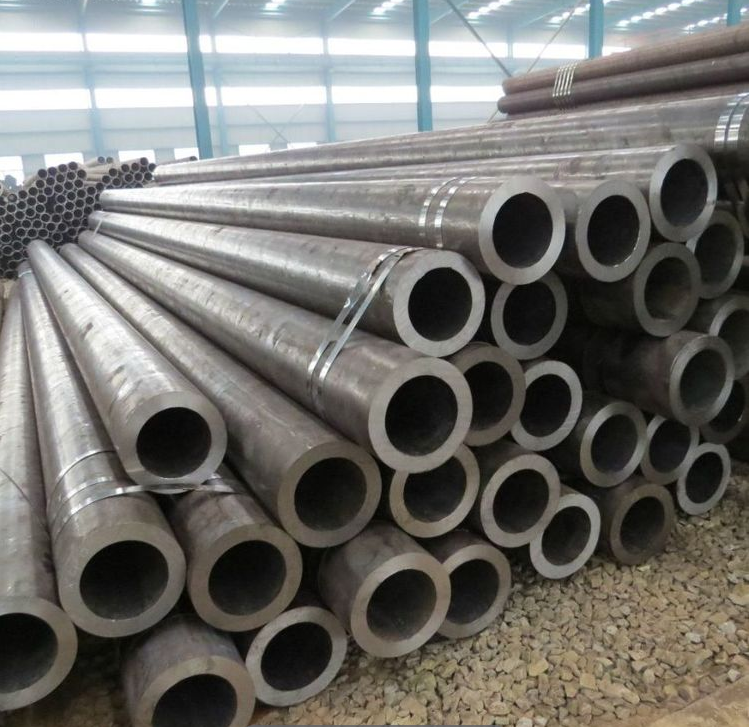
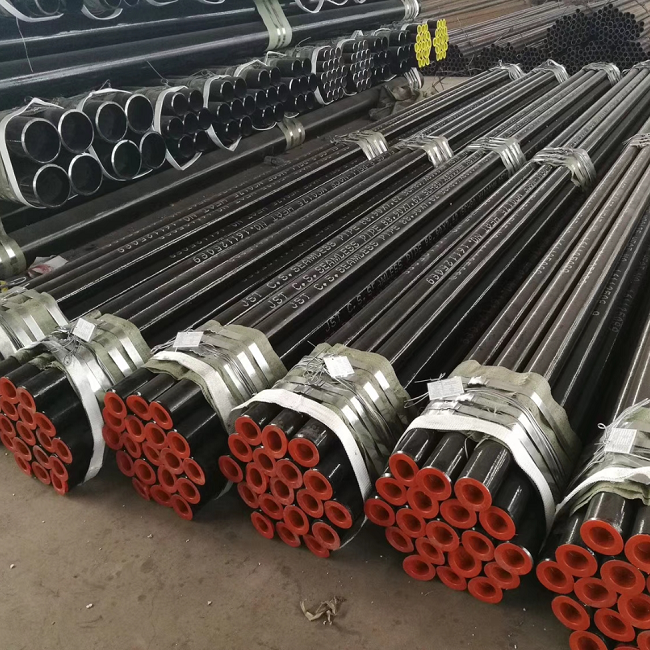
seamless pipe
Grade: 10#, 20#, Q345 (old 16Mn)
Standards: GB/T 8162 (for Structural purposes), GB/T 8163 (for Fluid Conveyance)
Application: Mechanical structural components, low-pressure fluid pipelines, supports
- Overview
- Recommended Products
Product Overview
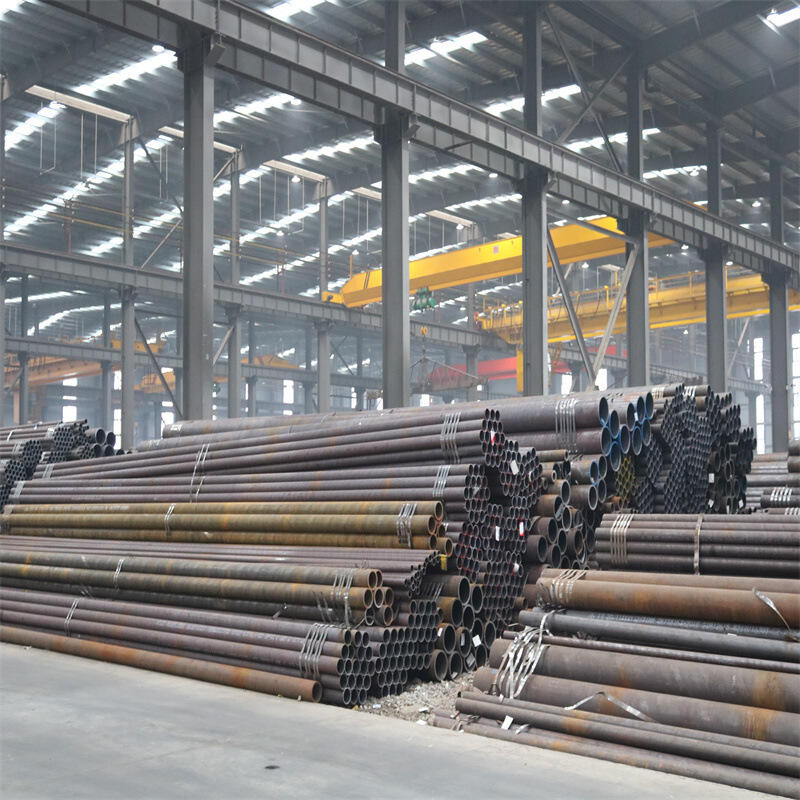
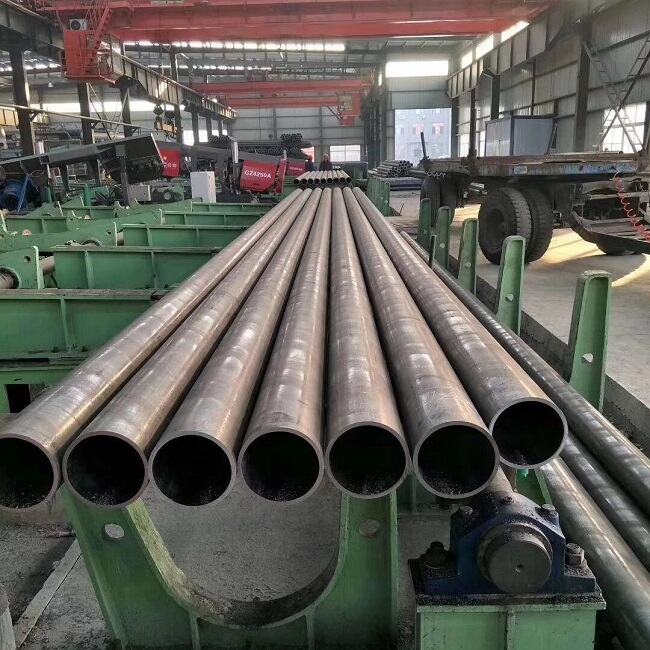
Seamless steel pipes represent a premium category of long, hollow steel sections characterized by the complete absence of any welding seam. They are manufactured through sophisticated metallurgical processes starting with high-quality round steel billets. These billets undergo precise forming techniques—primarily hot rolling or cold drawing—which include critical stages such as piercing, tube rolling, sizing, and straightening. This meticulous production method results in a product with a homogeneous microstructure throughout its entire length and circumference. Consequently, seamless pipes exhibit exceptional pressure-bearing capacity, remarkable resistance to high temperatures and pressures, and superior corrosion resistance. These inherent properties make them indispensable in mission-critical applications where failure is not an option, including petroleum exploration, chemical processing, power generation, boiler systems, machinery, automotive, and aerospace industries.
When compared to welded steel pipes, the fundamental advantage of seamless pipes lies in the elimination of the weld seam—a potential weak point susceptible to failure under stress, corrosion, or thermal cycling. This makes seamless steel pipes irreplaceable in demanding service environments involving high pressure, extreme temperatures, high mechanical stress, or severe corrosive conditions.
Core Advantages
High Strength and Superior Reliability: The absence of a weld seam ensures a continuous, dense, and uniform metallic structure. This homogeneity translates into consistent and predictable mechanical properties in all directions, significantly enhancing the overall reliability and safety of the system in which it is installed.
Exceptional Pressure Resistance: The seamless construction allows these pipes to withstand immense internal pressures without the risk of failure originating at a weld line. This makes them the default choice for high-pressure fluid transportation systems, including those handling oil, natural gas, steam, and hydraulic fluids.
Outstanding High-Temperature Performance: Specific grades of seamless pipes, particularly those made from alloy steels, are engineered to maintain their structural integrity and mechanical strength at elevated temperatures. Certain alloys can operate continuously at temperatures exceeding 600°C, making them ideal for power plant boilers and refinery furnaces.
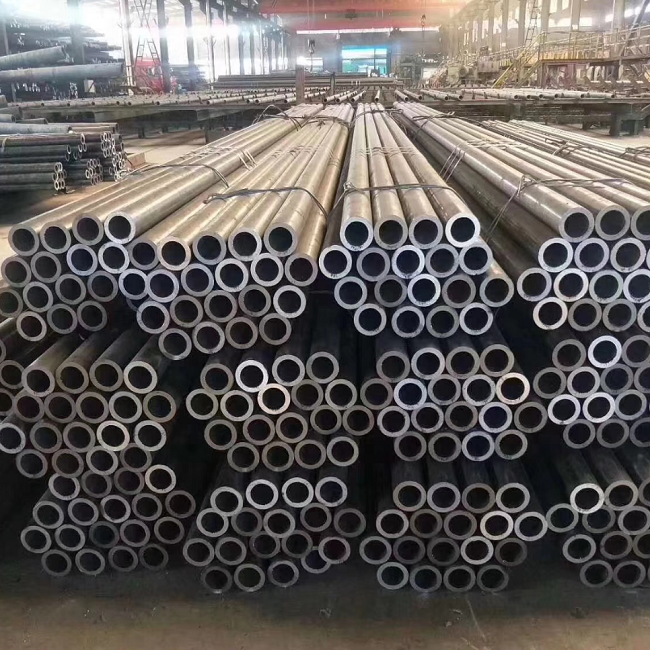
High Dimensional Accuracy (Cold-Drawn/Cold-Rolled): Pipes produced via cold drawing or cold rolling processes achieve exceptionally tight wall thickness tolerances and superior surface finishes. This high precision is crucial for applications in precision machinery, hydraulic cylinders, and instrumentation systems where consistent internal bore and smooth flow are required.
Strong Corrosion Resistance: Seamless pipes are available in a wide range of materials, including carbon steel, various alloy steels, and stainless steels (e.g., 304, 316L). This material diversity allows for optimal selection to resist specific corrosive media, such as acids, alkalis, or saltwater, thereby extending service life.
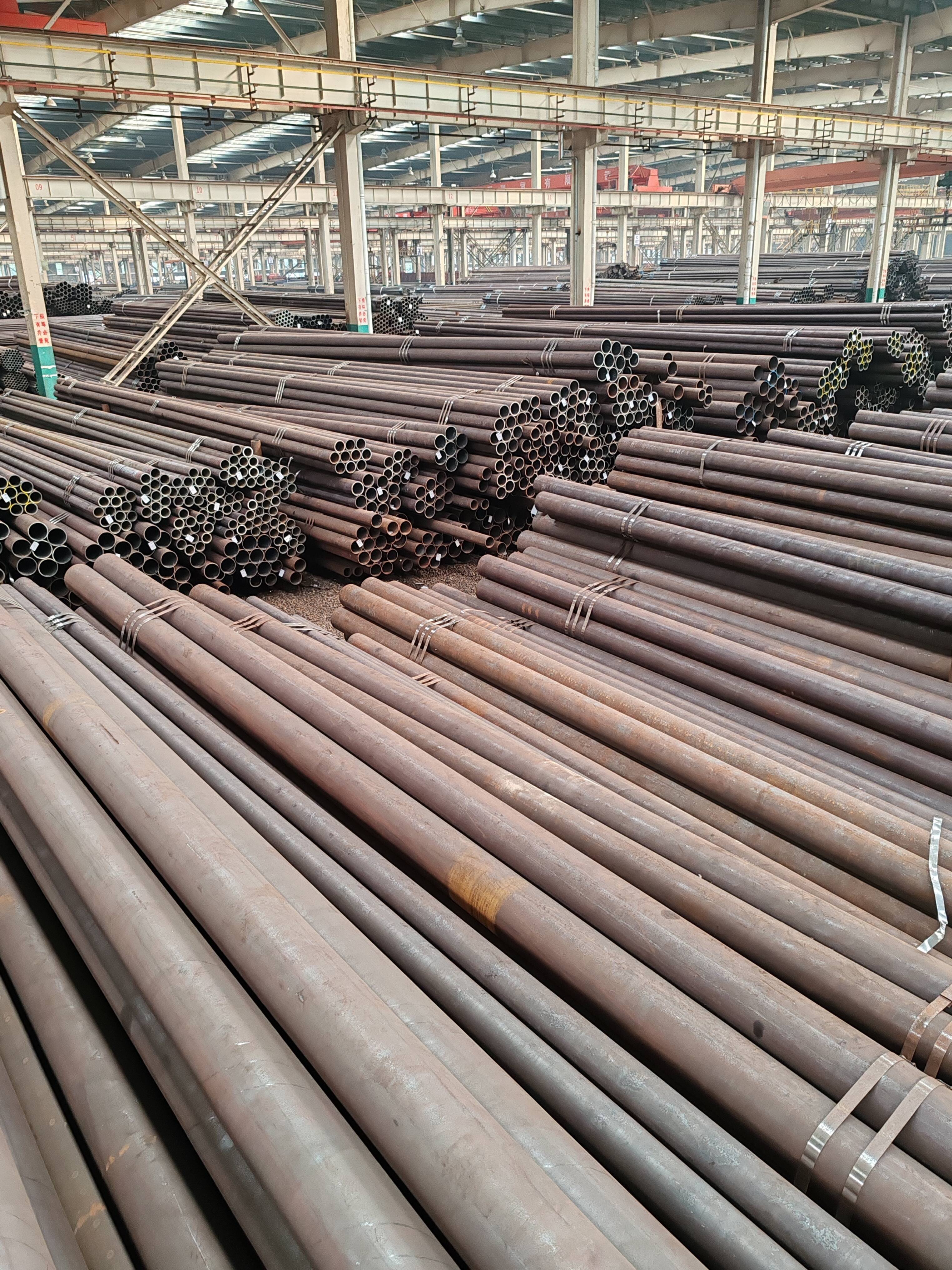
Long Service Life and Durability: The combination of a robust monolithic structure, material strength, and corrosion resistance ensures a long operational lifespan. Seamless pipes can maintain their structural integrity and performance over decades, even when subjected to cyclic loading, abrasive flows, or harsh chemical environments.
Classification of Common Materials
Carbon Structural Steel
Common Grades: 10#, 20#, Q345 (formerly 16Mn).
Governing Standards: GB/T 8162 (for general structural purposes), GB/T 8163 (for fluid conveyance).
Typical Applications: General mechanical structural components, low-to-medium pressure fluid pipelines, and structural supports.
High-Quality Carbon Structural Steel
Common Grades: 35#, 45#, 20G (specifically for boiler applications).
Key Features: These grades can be subjected to heat treatments like quenching and tempering to achieve enhanced strength and hardness.
Typical Applications: Machine shafts, connecting rods, high-pressure boiler tubes, and other components requiring higher mechanical properties.
Alloy Structural Steel
Common Grades: 40Cr, 20CrMo, 35CrMo, 15CrMoG.
Governing Standards: GB/T 3077 (for alloy structural steel), GB 5310 (for high-pressure boiler tubes).
Typical Applications: Critical components in oil drilling equipment, high-pressure vessels, steam turbine parts, and other applications demanding high strength, toughness, and creep resistance.
Stainless Steel
Common Grades: 304 (06Cr19Ni10), 316L (with Molybdenum for better corrosion resistance), 321 (Stabilized with Titanium).
Governing Standards: GB/T 14976, ASTM A312.
Typical Applications: Systems handling corrosive media in the food & beverage, pharmaceutical, and chemical processing industries, as well as components in marine engineering.
Main Application Scenarios
Energy and Petrochemical Sector:
Oil drilling: Used as casing, tubing, and drill pipe (conforming to API 5CT standard).
Refineries and chemical plants: Employed in high-temperature, high-pressure pipelines, transfer lines, and cracking furnace tubes.
Long-distance natural gas transmission: Large-diameter seamless pipes are often used for main trunk lines.
Power Generation and Boilers:
Power station boilers: Essential for superheater, reheater, and water-cooled wall tubes (using grades like 20G, 15CrMoG).
Nuclear power plants: Used in main steam pipelines and other critical systems, requiring stringent non-destructive testing (UT) and special certifications.
Mechanical Manufacturing:
Hydraulic systems: Ideal for cylinder barrels and piston rods due to precise dimensions and strength.
Automotive industry: Used for drive shafts and axle sleeves.
Construction machinery: Applied in outriggers and high-pressure cylinders.
Architecture and Structural Engineering:
High-rise buildings: Utilized as structural support columns (e.g., using Q345 grade).
Infrastructure: Used as bridge cable protection sleeves and in the truss systems of large sports venues.
Chemical and Pharmaceutical Industries:
Stainless steel seamless pipes transport aggressive chemicals like acids, alkalis, and solvents.
High-purity gas pipelines: Use Electropolished (EP grade) seamless tubes to prevent contamination.
High-End Manufacturing:
Aerospace: Critical for aircraft engine fuel and hydraulic conduits, and landing gear components.
Shipbuilding: Used in propulsion systems and, in the case of submarines, for pressure-resistant hulls.
Quality Control and Inspection
A rigorous multi-stage quality assurance protocol is implemented:
Non-Destructive Testing (NDT): Ultrasonic Testing (UT) to detect internal flaws; Eddy Current Testing (ET) for surface and near-surface defect detection.
Mechanical Properties Testing: Tensile tests, impact tests (Charpy V-notch), and hardness tests are conducted to verify strength, toughness, and ductility.
Process Performance Tests: Flattening, flaring, and bending tests are performed to validate the pipe's formability and structural soundness.
Chemical Composition Verification: Optical Emission Spectrometry (OES) is used to ensure the material composition strictly adheres to the specified grade requirements.
Surface Quality Inspection: Visual and automated inspections guarantee the surface is free from defects like cracks, folds, scars, or deep scratches.
Packaging and Delivery
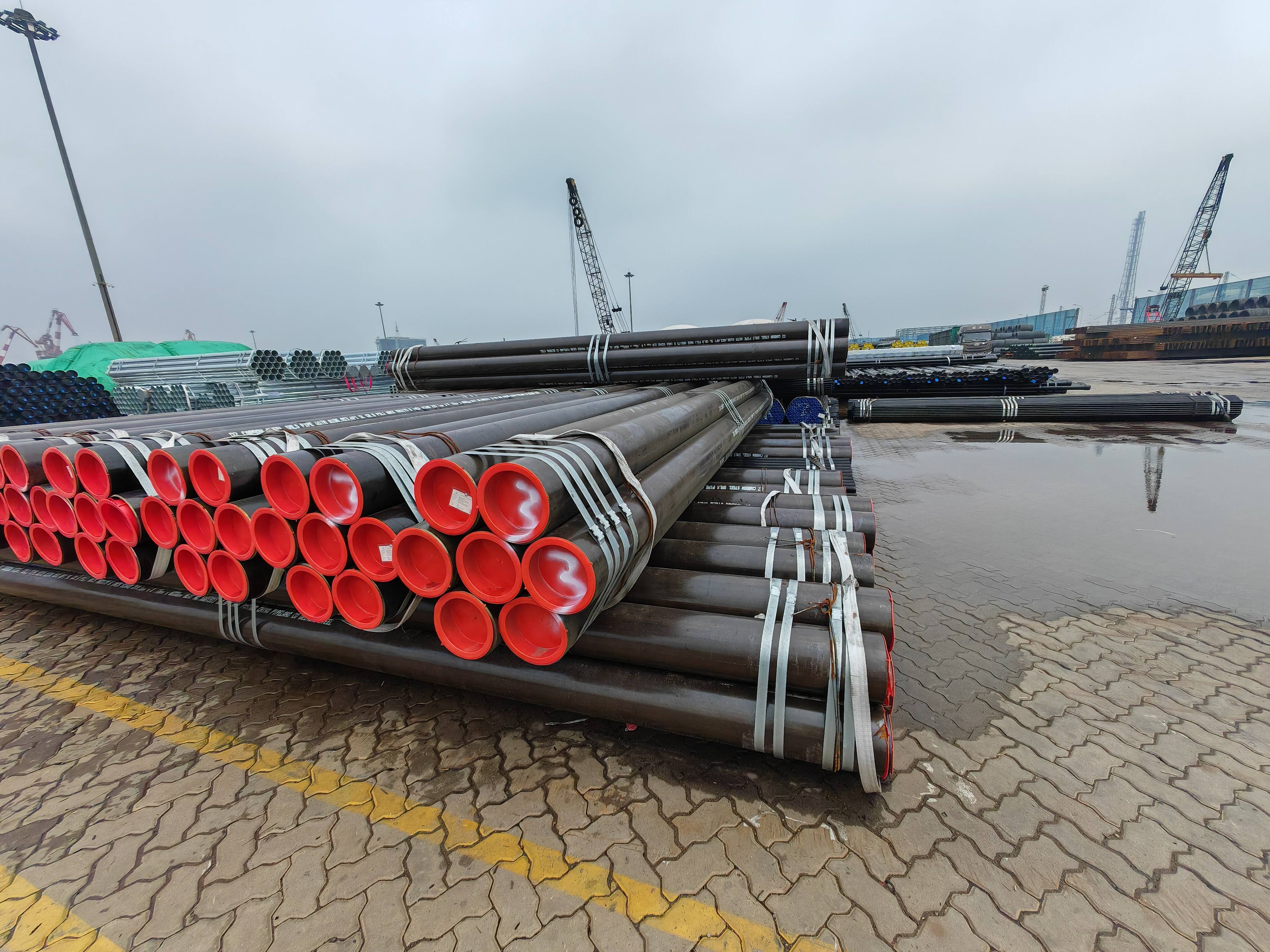
Small-Diameter Pipes: Typically bundled, wrapped in plastic sleeves and moisture-proof paper, with protective plastic or metal caps fitted on both ends to prevent thread damage and internal contamination.
Large-Diameter/High-Value Pipes: Often packaged individually in wooden crates, lined with anti-rust VCI paper for superior protection during transit and storage.
Clear Markings: Each pipe or bundle is clearly marked with spray-painted or tagged information including specification, material grade, standard, heat number, and length.
Documentation Provided: A comprehensive Mill Test Certificate (MTC) is supplied, along with non-destructive testing reports, and relevant third-party certifications (e.g., API, TÜV, Bureau Veritas) upon request.
Global Logistics: We support various transportation modes, including global sea freight, railway transport, and specialized logistics solutions like dedicated trains for super-long pipes.