 EN
EN
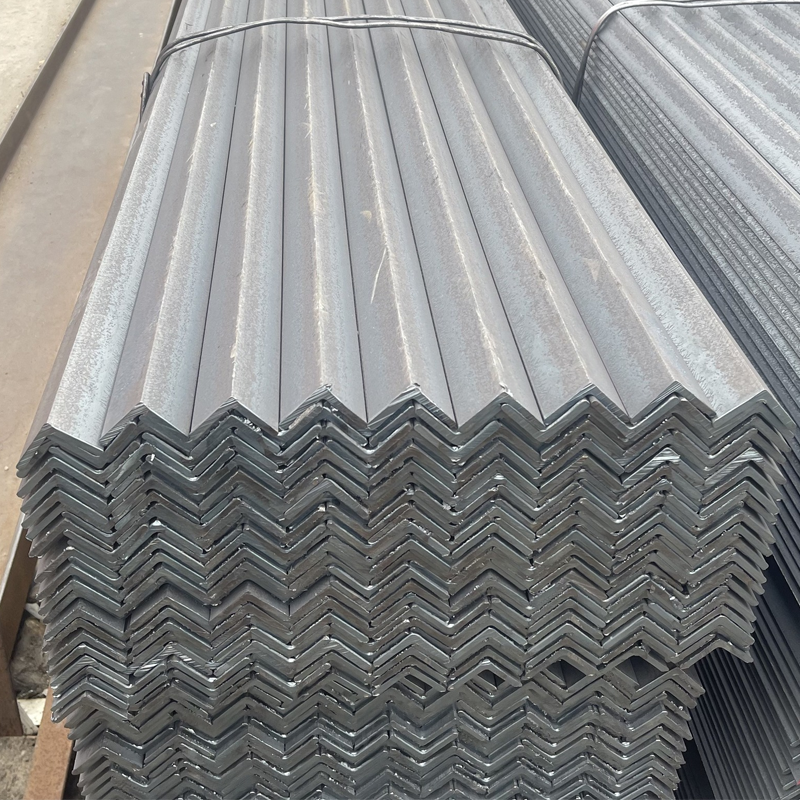
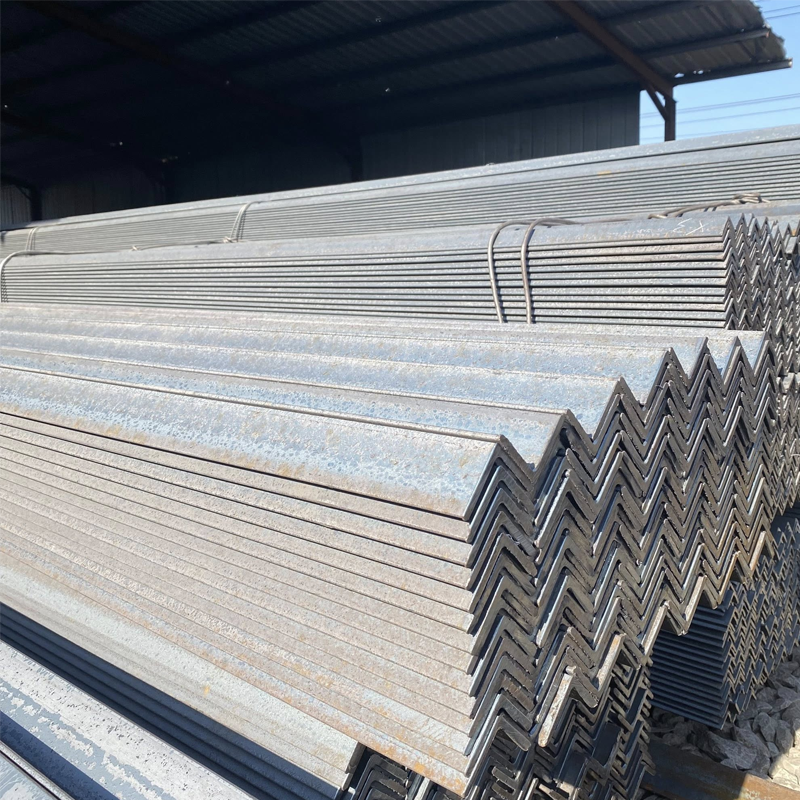
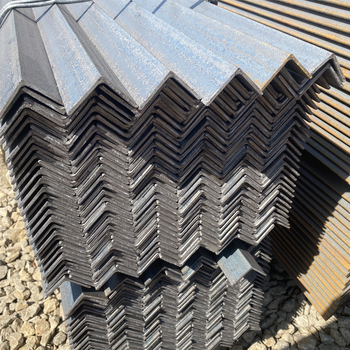
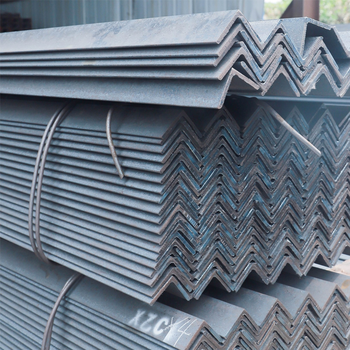
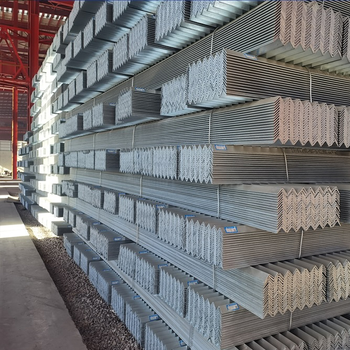
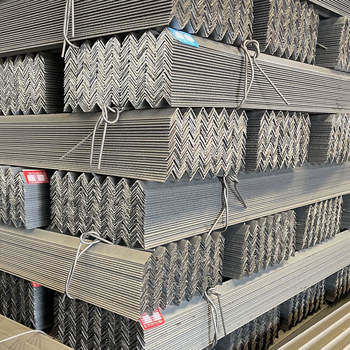
Angle steel
Equal-sided Angle steel: ∠20×20× 3mm to ∠200×200× 18mm
Unequal Angle steel: ∠25×16× 3mm to ∠200×125× 18mm
Length: 6m, 9m, 12m (can be customized according to project requirements, such as any length from 3m to 12m)
Execution standards: GB/T 706 "Hot-Rolled Section Steel", ASTM A6, EN 10025, JIS G 3192, etc
- Overview
- Recommended Products
Product Overview
Angle steel, also commonly referred to as L-shaped steel, is a fundamental long strip steel product distinguished by its distinctive "L" cross-sectional profile. This unique shape is formed by two perpendicular limbs (or legs), which classify it into two primary categories: equal-sided angle steel, where both limbs possess identical length and thickness, and unequal-sided angle steel, where the two limbs differ in length while maintaining a right-angle connection. Renowned for its simple yet robust structure, hassle-free connection capabilities, exceptional load-bearing capacity, and cost-effectiveness, angle steel has secured a pivotal role across a multitude of industries. It is extensively employed in building steel structures, transmission tower frameworks, bridge support systems, mechanical equipment frames, and various industrial and civil support structures. Crafted from high-quality carbon structural steel (such as Q235 and Q345) or low alloy steel, the production process involves high-temperature hot rolling—a technique that ensures precise dimensional accuracy, uniform internal structure, and stable mechanical properties. The product strictly adheres to mainstream national and international standards, including China’s GB/T 706, America’s ASTM A6, Europe’s EN 10025, and Japan’s JIS G 3192, guaranteeing consistent quality and reliability across global markets.
Core Advantages
Superior Strength and Structural Stability: The "L" cross-sectional design of angle steel endows it with excellent compressive and shear resistance, making it ideal for both load-bearing and structural connection applications. The perpendicular arrangement of the limbs ensures symmetrical stress distribution, eliminating localized stress concentration and minimizing the risk of deformation or fracture under heavy loads. For instance, in steel structure frameworks, angle steel used as corner braces effectively resists lateral forces from wind or seismic activity, enhancing the overall stability of the structure. Its robust mechanical properties also enable it to withstand repeated dynamic loads, such as those experienced by conveyor supports in industrial settings.
Convenient Installation for Enhanced Efficiency: One of the most notable advantages of angle steel is its ease of installation, which significantly boosts construction and production efficiency. Its flat, smooth limb surfaces allow for direct and secure connections via welding, bolting, or riveting—no complex adapters or custom machining required. Welding provides a permanent, rigid joint suitable for load-bearing structures, while bolted connections offer flexibility for future adjustments or disassembly, such as in temporary scaffolding systems. On construction sites, this simplicity translates to faster assembly times, reducing labor costs and shortening project timelines, while in manufacturing, it streamlines the production of prefabricated components.
Comprehensive Specification Range: Angle steel boasts an extensive array of specifications to cater to diverse application needs, covering small, medium, and large size ranges. Equal-sided angle steel typically spans from ∠20×20×3mm (ideal for lightweight applications like furniture brackets or small hardware) to ∠200×200×18mm (used in heavy-duty structural components such as bridge supports). Unequal-sided angle steel, designed for asymmetric load scenarios, ranges from ∠25×16×3mm to ∠200×125×18mm, making it suitable for applications like transmission tower inclined bracings where different limb lengths optimize stress distribution. This broad specification coverage eliminates the need for costly material modifications, ensuring optimal performance and minimizing waste.
Economical and High Material Utilization: Compared to other steel section combinations, angle steel offers exceptional cost-effectiveness. Its hot-rolled production process enables mass manufacturing at competitive costs, while its inherent shape ensures high material utilization—minimizing waste during cutting and assembly. For example, when used as purlins in steel workshops, angle steel fits perfectly into the rectangular framework, reducing gaps and material consumption compared to custom-fabricated components. Additionally, its long service life and minimal maintenance requirements (especially when galvanized) further lower total ownership costs, making it a preferred choice for budget-conscious projects without compromising quality.
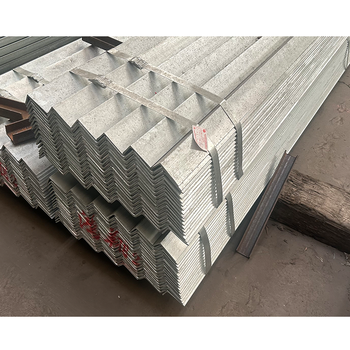
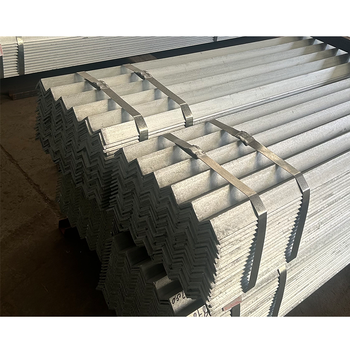
Strong Customizability for Specialized Needs: To meet the unique requirements of various projects, angle steel supports a full suite of deep processing services. Fixed-length cutting ensures precise fitting to project dimensions, eliminating on-site waste and saving time. Precision drilling creates prefabricated holes for quick bolted connections, reducing on-site machining work. Galvanizing and spraying treatments enhance corrosion resistance, extending service life in harsh environments such as coastal transmission towers or agricultural greenhouses with high humidity. These customization options allow angle steel to adapt to specialized scenarios, from high-precision mechanical frames to outdoor municipal facilities.
Typical specification range
Equal-sided Angle Steel |
∠20×20×3mm to ∠200×200×18mm |
6m, 9m, 12m (can be customized according to project requirements, such as any length from 3m to 12m) |
GB/T 706 "Hot-Rolled Section Steel", ASTM A6, EN 10025, JIS G 3192, etc |
Unequal Angle Steel |
∠25×16×3mm to ∠200×125×18mm |
Main Application Scenarios
1. Architecture and Steel Structures
In the construction industry, angle steel is a staple material used in numerous structural components. In steel structure workshops, it serves as purlins (supporting roof panels), vertical supports (reinforcing wall integrity), and corner braces (stabilizing the frame against lateral forces). For multi-story buildings, it reinforces stair railings—adding rigidity to prevent wobbling—and strengthens door and window frames, ensuring they withstand repeated use and environmental stress. On construction sites, it is widely used as scaffolding connectors, linking vertical and horizontal poles to form stable temporary work platforms, and as temporary support systems for concrete pouring. Its adaptability to on-site cutting and welding makes it suitable for both standard and custom building designs.
2. Electricity and Communications
The electricity and communications sectors rely heavily on angle steel for its high strength and durability. Transmission towers, critical for power distribution, use angle steel as main structural members and inclined bracings—with grades Q355 and above preferred for their ability to withstand strong winds, heavy ice loads, and extreme temperatures. Substation frameworks, which support high-voltage equipment, and cable tray supports (organizing power and communication lines) also utilize angle steel for its stability and easy installation. Communication base station towers, often located in remote or harsh environments, depend on galvanized angle steel to resist corrosion, ensuring uninterrupted signal transmission for mobile and broadband networks.
3. Transportation and Infrastructure
Transportation and infrastructure projects leverage angle steel for its robustness and longevity. Bridge maintenance platforms, which require safe access for inspections and repairs, use angle steel to form sturdy handrails and support frames. Highway and bridge guardrail posts, exposed to constant traffic impact and weathering, are made from high-strength angle steel to withstand collisions and prevent corrosion. In railway systems, it serves as railway signal supports (holding signals and communication equipment) and track fastener foundations (securing rails to sleepers). Highway sound insulation barrier frameworks, designed to reduce traffic noise, also utilize angle steel for its rigidity—supporting sound-absorbing panels while resisting wind loads and vibrations from passing vehicles.
4. Machinery and Industrial Equipment
Angle steel is a key component in mechanical manufacturing, providing structural support for a wide range of equipment. It forms the frames of industrial machinery, operation platforms (used by workers for equipment maintenance), and conveyor supports (stabilizing conveyor belts in factories). Mining machinery, operating in harsh underground environments with dust and heavy impact, uses angle steel for protective structures—shielding sensitive components and ensuring operational safety. Boiler steel frames, which must withstand high temperatures and pressure, rely on angle steel for reinforcement, ensuring safe and efficient operation. Automated production lines also utilize angle steel to create custom frameworks for robot workstations and assembly stations, with precision-drilled holes enabling quick integration of components.
5. Civil and Municipal Affairs
In civil and municipal projects, angle steel combines functionality with cost-effectiveness to meet public infrastructure needs. Outdoor billboard posts and street lamp pole bases use angle steel for their stability—supporting large signs or heavy lighting fixtures while resisting wind and weather. Fence posts and anti-theft net frames, common in residential communities, schools, and public parks, are made from galvanized angle steel to prevent rust and reduce maintenance costs. Agricultural greenhouses also rely on angle steel as support structures, with its corrosion resistance adapting to high-humidity environments and its strength supporting greenhouse films or glass panels. Additionally, it is used in public facilities such as park benches, bus stop canopies, and community fitness equipment frames—delivering reliable performance for everyday public use.